What Is Carbon Steel Hot Rolled Coil?
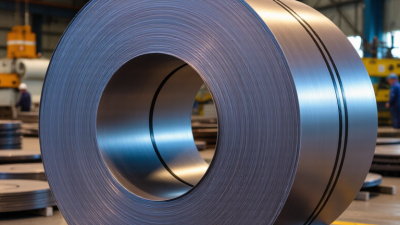
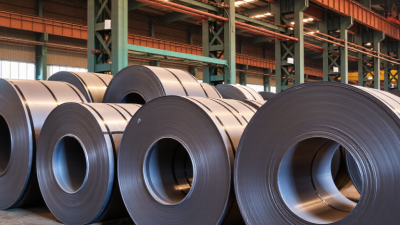
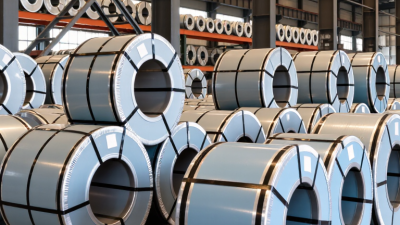
Carbon Steel Hot Rolled Coil is a widely used flat steel product made by rolling slabs at high temperatures. The process typically occurs above the steel’s recrystallization temperature, allowing manufacturers to shape thick material efficiently. After rolling, the coil cools in open air and may develop a dark, rough oxide layer called mill scale. That surface is normal.
Its practical value comes from strength, formability, availability, and cost efficiency. Fabricators use it for structural frames, storage tanks, bridges, machinery parts, agricultural equipment, and automotive components. A typical coil may arrive with visible edges, slight waviness, or dimensional variation. These details matter during cutting, welding, bending, and surface preparation. Buyers should review thickness, width, coil weight, steel grade, mechanical properties, and applicable standards before ordering.
Hot rolled steel is not automatically the best choice for every project. Its surface is less smooth than cold rolled steel, and tighter tolerances may require additional processing. Welding performance also depends on grade, carbon content, thickness, joint design, and site controls. In practice, I would not judge a coil by appearance alone. Mill certificates, inspection records, and traceable testing provide stronger evidence. Even then, mistakes can happen. Specifications may be misunderstood, or storage conditions may cause rust after delivery.
This guide explains how Carbon Steel Hot Rolled Coil is produced, graded, inspected, stored, and selected. It also considers real manufacturing conditions, where small differences can affect cost, safety, and final performance. Knowing those details helps engineers, purchasers, and fabricators make more defensible decisions. Surface scale is not a defect by itself. Context matters.
Definition and Basic Characteristics of Carbon Steel Hot Rolled Coil
Carbon steel hot rolled coil is flat steel rolled at temperatures above its recrystallization range. The process makes large, continuous coils with practical strength and moderate production cost. Carbon is the main strengthening element, while manganese, silicon, and small residual elements may also be present. Its carbon content is usually lower than about 2.11% by mass, although commercial grades normally contain much less.
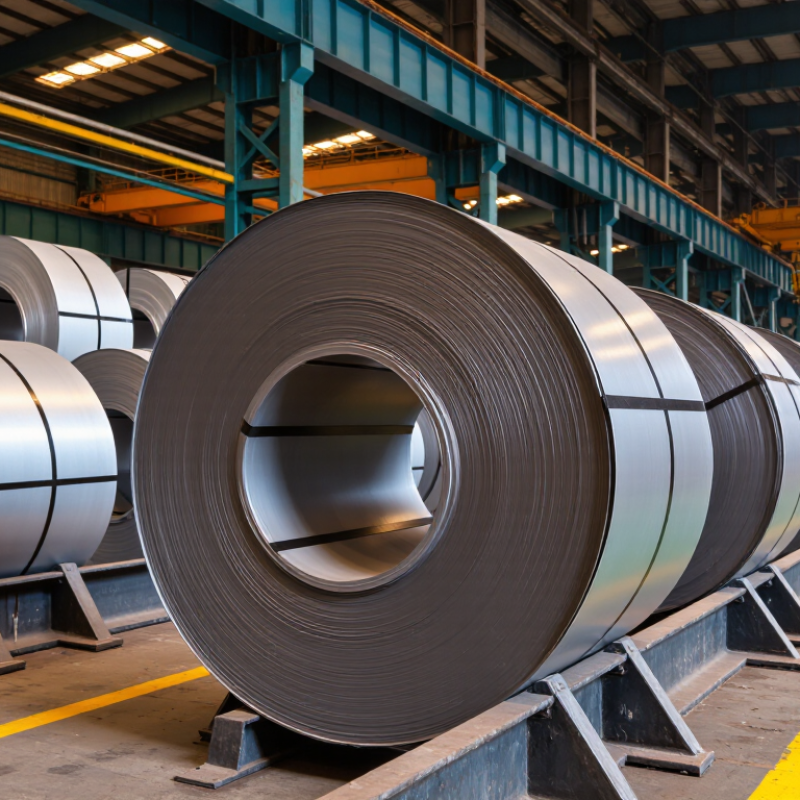
The surface often shows dark mill scale, with a slightly rough texture and visible coil edges. Thickness commonly ranges from roughly 1.2 to 25 millimetres, depending on the mill, grade, and customer specification. Typical uses include structural frames, welded pipes, vehicle parts, storage tanks, and machinery components. It is generally easier to form than many high-strength products, but its surface may need pickling, oiling, or further finishing.
Scale matters during inspection. A clean-looking edge does not guarantee uniform internal properties. According to World Steel Association’s World Steel in Figures 2024, global crude steel production reached 1,888.2 million tonnes in 2023, showing the enormous industrial scale behind flat-steel supply. The International Organization for Standardization also distinguishes grades through chemical composition and mechanical requirements, not appearance alone. In practice, yield strength, tensile strength, elongation, thickness tolerance, and coil weight should be checked against the mill certificate. The term “hot rolled coil” sounds simple. It is not perfectly uniform. Processing history, cooling control, and testing quality can change performance, and buyers sometimes underestimate those differences.
Grades, Chemical Composition, and Mechanical Properties
What Is Carbon Steel Hot Rolled Coil?
Carbon steel hot rolled coil is produced by reducing heated steel slabs through rolling mills. The process creates wide, coiled strips with a rougher surface and visible oxide scale. It is widely used for structural parts, frames, pipes, brackets, and general fabrication. Grade selection depends on strength, forming needs, thickness, and the applicable standard.
Common grades include ASTM A36, ASTM A572 Grade 50, and EN S235JR. A36 typically offers a minimum yield strength near 250 MPa, while A572 Grade 50 reaches about 345 MPa. S235JR generally provides a minimum yield strength of 235 MPa. Actual values can change with thickness and delivery condition. That detail is easy to miss.
Chemical composition controls performance. Carbon improves strength but can reduce weldability when its level becomes excessive. Manganese supports strength and helps control sulfur-related brittleness. Phosphorus and sulfur are normally limited because they may reduce toughness and cause processing problems. Typical low-carbon hot rolled coil may contain less than 0.25% carbon, with manganese often below 1.50%. These figures are indicative, not universal.
Mechanical properties also include tensile strength, elongation, bend performance, and impact toughness where specified. A mill test certificate should confirm chemistry, yield strength, tensile strength, and elongation for each heat. In field experience, two coils with similar grades can behave differently during bending if thickness, temperature, or surface condition changes. Engineers should verify the standard and certificate instead of relying only on a grade name.
Common Sizes, Surface Conditions, and Product Forms
What Is Carbon Steel Hot Rolled Coil?
Common Sizes, Surface Conditions, and Product Forms
Carbon steel hot rolled coil is produced by rolling heated steel through large mill stands. The process creates practical strength, flexible dimensions, and a recognizable mill scale. Common thicknesses range from about 1.2 to 25 millimeters, while widths often fall between 900 and 2,000 millimeters. Actual availability depends on the mill, grade, and ordering standard. No single size fits every project.
Surface condition matters during fabrication. As the coil cools, iron oxide forms a dark, uneven layer called mill scale. It offers limited temporary protection, but it is not a finished coating. Pickled coil has this scale removed with an acid process, producing a cleaner surface for painting, forming, or welding. Oiled material receives a thin protective film. It can reduce rust during storage, though poor handling still causes damage. A clean-looking coil may hide edge cracks or uneven thickness.
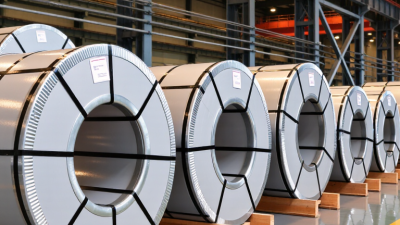
Hot rolled coil is commonly supplied as a full-width coil, slit coil, or cut-to-length sheet. Slit coils suit narrower components and automated lines. Sheets are easier to inspect, stack, and process in smaller workshops. Plate-like products serve heavier structures when greater thickness is required. Buyers should verify thickness tolerance, width tolerance, coil weight, edge condition, and surface requirements before production. A specification sheet helps, but real inspection remains essential. Forecasts can be wrong.
What Is Carbon Steel Hot Rolled Coil?
Carbon steel hot rolled coil is produced by rolling steel above its recrystallization temperature. Common commercial widths include 1,000 mm, 1,250 mm, 1,500 mm, and 1,800 mm, while frequently specified thicknesses range from about 1.2 mm to 10 mm for general coil applications.
Common Sizes
Typical nominal widths are 1,000, 1,250, 1,500, and 1,800 mm. Common thicknesses include 1.2, 1.5, 2.0, 2.5, 3.0, 4.0, 5.0, 6.0, 8.0, and 10.0 mm.
Surface Conditions
Hot rolled coil is commonly supplied as black hot rolled material, pickled and oiled material, or descaled material, depending on the required surface condition.
Product Forms
Products may be supplied as full-width coil, slit coil, cut-to-length sheet, or plate-like heavy-gauge material.
Industrial Applications, Advantages, and Limitations
What Is Carbon Steel Hot Rolled Coil?
Carbon steel hot rolled coil is steel formed above its recrystallization temperature, usually above 900°C. Rolling mills reduce slabs into long, flat strips and wind them into coils. The surface often carries mill scale, a dark oxide layer formed during cooling. Carbon content controls strength, formability, and weldability, while grade requirements determine final performance.
Industrial demand remains substantial. The World Steel Association reported 1,888.2 million tonnes of crude steel production in 2023, showing the scale supporting coil supply chains.
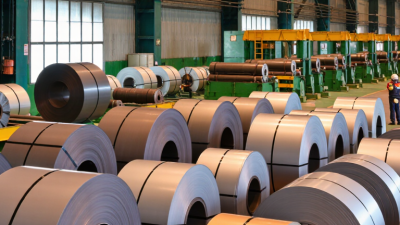
HRC is widely used for truck frames, railway components, storage tanks, construction beams, agricultural equipment, and heavy machinery. Its broad thickness range and relatively low processing cost suit large structural parts. Fabricators can cut, bend, weld, or further process the coil using established equipment.
Practical Advantages and Limitations
The advantages are practical. HRC offers strong load-bearing capacity, efficient production, and dependable availability in common grades. However, its rough surface and dimensional tolerances are less refined than cold rolled products. Mill scale can complicate painting, coating, and precision fabrication.
Moisture exposure also accelerates corrosion, especially at cut edges and scratched areas. The World Steel Association estimates steel production creates about 7–9% of global carbon dioxide emissions, so material efficiency and longer service life matter.
The trade-off is easy to underestimate. A lower purchase price may become expensive after descaling, protective coating, and rework. Selection should match the environment, forming needs, weld procedure, and inspection standard.