Inquiry
Form loading...

How to Choose Black Carbon Steel Coil for Global Sourcing

Choosing the right black carbon steel coil requires more than comparing prices on a supplier spreadsheet. Buyers must connect grade, thickness, width, surface condition, and delivery terms with the final application. A coil for structural frames may need different performance than one used for brackets, tubes, or fabricated machinery parts. The phrase Carbon Steel Coil Black can also create confusion. Some suppliers use it for uncoated hot-rolled coil, while others describe dark mill-scale surfaces more generally.

Reliable sourcing begins with verifiable technical information. Request the material grade, dimensional tolerances, coil weight, inner diameter, and applicable production standard. Mill test certificates should match the coil markings and shipping documents. Independent inspection can confirm thickness, width, surface defects, and chemical composition before loading. In practice, a small sample inspection often reveals more than polished product photographs. Ask for recent production records, not only old certificates.

Cost still matters. However, the cheapest offer may include weaker packaging, uncertain tolerances, or expensive port handling. Check rust protection carefully, especially when coils cross humid climates or remain in storage. Clarify whether the quoted price includes inland transport, export packing, testing, and documentation. These details affect the real landed cost.

No checklist is perfect. A buyer may overlook local processing limits or underestimate demand changes. That is why experienced sourcing teams compare suppliers over several orders, record delivery performance, and review claims honestly. Good decisions combine technical evidence, supplier communication, and practical judgment. The strongest supplier is not always the largest one. It is the one that can repeatedly deliver suitable coils, clear records, and dependable support.

How to Choose Black Carbon Steel Coil for Global Sourcing

Understanding Black Carbon Steel Coil and Its Common Uses

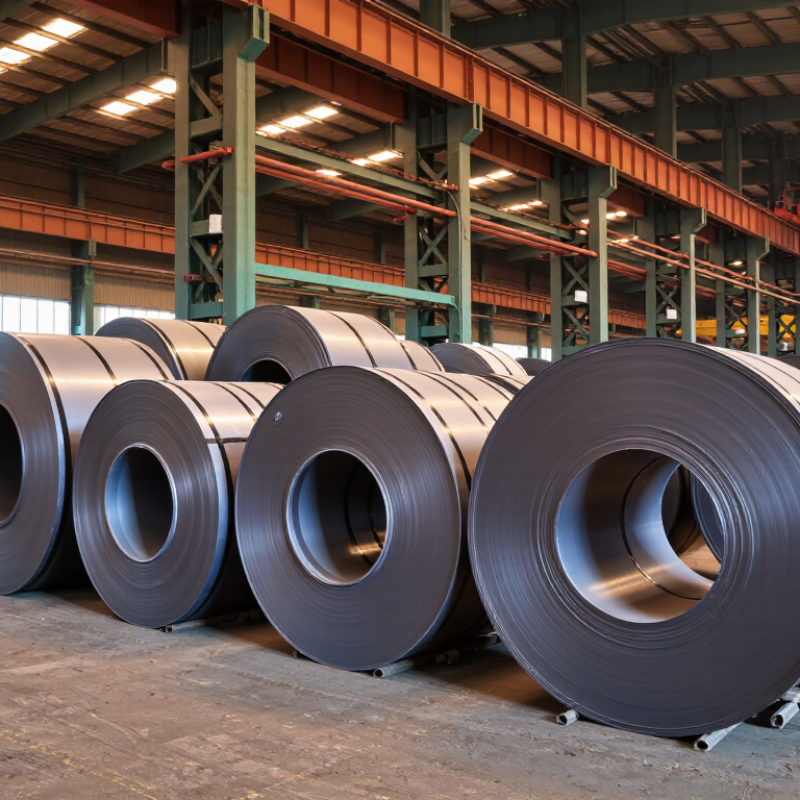
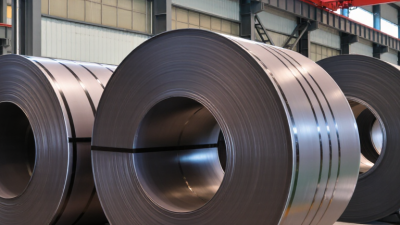
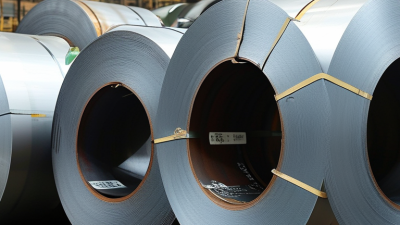
Black carbon steel coil is hot-rolled steel with a dark oxide scale on its surface. It is usually supplied without metallic coating. This makes it practical for cutting, welding, bending, and further processing. Common applications include structural frames, storage tanks, agricultural equipment, truck components, pipes, and general fabrication.

The World Steel Association reported 1.892 billion tonnes of crude steel production in 2023. That scale explains why carbon steel remains central to global manufacturing. However, production volume does not guarantee suitable coil quality. Buyers should review thickness tolerance, width accuracy, coil weight, yield strength, tensile strength, and surface condition.

ASTM and EN standards can support clearer comparisons. Still, standards alone may not reveal edge cracks or uneven scale. This is where supplier inspection records and independent testing become valuable. A small mistake here can increase forming waste later.

Tips: Ask for the mill test certificate, inspection photos, and packaging details. Confirm whether the coil is intended for direct fabrication or later pickling and coating. Check the actual inner diameter before shipping, because warehouse equipment may limit handling options. I would also question unusually low prices. They may reflect thinner material, wider tolerances, or incomplete inspection, though this is not always obvious.

Defining Grade, Thickness, Width, and Surface Requirements

How to Choose Black Carbon Steel Coil for Global Sourcing

Grade selection should begin with the forming process, not the supplier’s catalogue. For structural parts, carbon grades such as ASTM A36 or EN 10025 S235JR may fit general strength needs. Drawing applications require different chemistry and tighter mechanical controls. Always request yield strength, tensile strength, elongation, carbon content, and heat number traceability. The World Steel Association reported 1.892 billion tonnes of crude steel production in 2023. This scale creates choice, but also inconsistent documentation across markets.

Thickness and width must match the final operation. A 2.0-millimetre coil may lose material during pickling, leveling, or cutting. Confirm nominal thickness, permitted deviation, coil weight, inside diameter, and width tolerance. EN 10051 provides dimensional guidance for hot-rolled products, while ASTM A568 covers general requirements for carbon steel sheet. Do not assume similar standards are interchangeable. They are not always equivalent.

Surface requirements need precise language. Specify mill scale condition, rust limits, edge type, oiling, surface defects, and packaging protection. Black coils commonly carry visible scale and minor handling marks. A clean appearance may still hide uneven scale removal. Ask for inspection photographs and a recent mill test certificate. Also confirm whether the coil is suitable for welding, bending, galvanizing, or further coating. I would not over-specify every feature. Excessive requirements increase cost, and some may not improve performance. That is a useful lesson from real sourcing work.

Assessing Mechanical Properties and Manufacturing Standards

When sourcing black carbon steel coil, mechanical properties should be checked before price. Yield strength, tensile strength, elongation, hardness, and thickness tolerance affect forming, welding, and cutting performance. ISO 6892-1 defines tensile testing methods, while ASTM A1008/A1008M covers many cold-rolled carbon steel grades. Hot-rolled products may follow EN 10025-2 or other regional specifications.

Read the mill test certificate carefully. Compare the stated grade, heat number, chemical composition, test temperature, and sampling direction. For example, a coil with 280 MPa yield strength may perform poorly if your press line requires higher forming resistance. Elongation also matters around a sharp bend. Small differences become visible as edge cracking, surface tearing, or uneven coil shape.

Manufacturing control is equally important. The World Steel Association reported global crude steel production of about 1.89 billion tonnes in 2023, showing the scale of international supply, but volume does not guarantee consistency. Ask for dimensional inspection records, surface-quality criteria, and traceability from heat to coil. Independent testing can verify tensile results and thickness variation.

Do not trust paperwork alone.

A practical mistake is accepting a familiar grade without checking the actual forming process. Standards define minimum requirements, not your complete application risk. Humidity during shipping can also create dark rust marks on uncoated coil. Define packaging, oiling, storage, and inspection rules before purchase. The cheapest coil may become the most expensive after rejects and production delays.

How to Choose Black Carbon Steel Coil for Global Sourcing - Assessing Mechanical Properties and Manufacturing Standards

Steel Grade / Standard Typical Product Form Typical Carbon Content Yield Strength Tensile Strength Elongation Formability / Typical Use Key Inspection Requirements
ASTM A1008 CS Type B
Cold-rolled carbon steel sheet and coil
Cold-rolled coil Usually low carbon; commonly about 0.04–0.15% C, subject to the purchase specification Minimum about 205 MPa, depending on the applicable grade and thickness Minimum about 340 MPa Typically about 30% minimum, depending on thickness and test direction Suitable for general fabrication, bending, stamping and formed components Chemical analysis, tensile test, thickness, width, flatness, surface condition and dimensional tolerances
ASTM A1011 CS Type B
Hot-rolled carbon steel sheet and coil
Hot-rolled coil Usually low carbon; commonly about 0.04–0.15% C, subject to the specified chemistry Grade- and thickness-dependent; confirm the certified value before ordering Often approximately 365 MPa minimum for common commercial-quality ranges Typically about 25% or higher, depending on thickness and grade Used for structural parts, brackets, frames, general fabrication and moderate forming Mill test certificate, yield and tensile tests, bend test where required, scale condition and dimensional inspection
EN 10130 DC01 Cold-rolled coil for cold forming Maximum carbon generally 0.12% 140–280 MPa maximum specified range 270–410 MPa At least 28% for common thickness ranges, measured according to the standard General cold forming, profiling, appliance parts and lightly drawn components Chemical composition, tensile properties, surface quality, roughness, dimensional tolerances and coil shape
EN 10130 DC03 Cold-rolled coil for enhanced forming Maximum carbon generally 0.10% 140–240 MPa maximum specified range 270–370 MPa At least 34% for common thickness ranges Deep drawing and more demanding stamped parts requiring improved ductility Tensile testing, plastic strain ratio where specified, surface inspection and formability verification
JIS G 3141 SPCC Cold-reduced coil Low-carbon steel; exact limits depend on the edition and supply condition Not generally used as the primary mandatory grade criterion; agree a value contractually when needed At least 270 MPa Approximately 27–31% minimum, varying with thickness General-purpose cold forming, panels, covers and light stamping Confirm temper grade, surface finish, tensile strength, elongation, thickness tolerance and oiling condition
EN 10149-2 S355MC Hot-rolled thermomechanically rolled coil Maximum carbon equivalent and carbon limits are controlled for weldability; carbon is commonly no more than about 0.12% At least 355 MPa 430–550 MPa At least 20% for common thickness ranges High-strength formed components, transport structures and welded fabrications Yield and tensile tests, weldability chemistry, bend/forming tests, impact testing when specified and surface inspection
EN 10149-2 S420MC Hot-rolled thermomechanically rolled coil Low-carbon microalloyed chemistry; maximum values must be checked on the certificate At least 420 MPa 480–620 MPa At least 16% for common thickness ranges Weight-saving structural parts with moderate forming requirements Mechanical properties by thickness, carbon equivalent, weldability, bend performance and dimensional tolerances
EN 10149-2 S500MC Hot-rolled thermomechanically rolled coil Low-carbon microalloyed chemistry controlled for strength and weldability At least 500 MPa 550–700 MPa At least 12% for common thickness ranges High-strength chassis, lifting equipment and structural components where reduced weight is important Yield-to-tensile ratio, carbon equivalent, weld procedure compatibility, bend testing and traceability
Global sourcing checkpoints: Confirm the latest edition of the referenced standard, exact thickness range, test direction, delivery condition, surface class, dimensional tolerances, coil weight, inner diameter, packaging, marking, inspection documents and applicable import or regulatory requirements. Values shown are representative standard requirements or commonly used ranges; the signed purchase specification and mill test certificate should govern acceptance.

Evaluating Global Suppliers, Quality Control, and Certifications

Choosing black carbon steel coil for global sourcing requires more than comparing prices. In procurement reviews, I have learned that supplier evaluation starts with production evidence. Check furnace capacity, rolling equipment, monthly output, and export experience. Ask for recent inspection records, not only company presentations. A reliable supplier should explain heat numbers, coil traceability, and storage conditions clearly.

Quality control must match the final application.

Confirm thickness tolerance, width accuracy, surface condition, yield strength, tensile strength, and chemical composition. Request samples from actual production coils. Test them through an independent laboratory when the order is critical. Mill test certificates should identify the heat number and follow EN 10204 3.1 requirements when applicable. Keep records of loading photos, package weights, and seal numbers. Small details matter.

Certifications need careful review. ISO 9001 can support process consistency, but it does not guarantee every coil is perfect. Verify the certificate scope, issuing body, validity date, and audited facility. A certificate can look convincing. It may still be incomplete. I once underestimated the impact of humid port storage; light oxidation appeared before delivery. Better packaging, desiccants, and a pre-shipment inspection could have reduced that risk. Supplier audits, inspection hold points, and clear claims procedures make global purchasing more dependable. Pricing still matters, but undocumented quality creates the larger cost.

Comparing Landed Costs, Logistics, and Import Requirements

When sourcing black carbon steel coil globally, compare landed cost rather than the factory quotation alone. Include coil price, inland transport, ocean freight, insurance, duties, taxes, port handling, and customs brokerage. A low offer can become expensive after demurrage or unexpected inspection fees. Request weight-based pricing and confirm whether the quote uses metric tons or short tons. Small wording differences can change the calculation.

Logistics depend on coil weight, width, thickness, and destination equipment. Heavy coils may require reinforced trailers, special lifting plans, or direct delivery from the port. Ask for loading photographs, seaworthy packing details, and moisture protection. Black carbon steel can develop surface rust after condensation inside a sealed container. I have seen buyers focus on freight rates while overlooking port storage. That mistake is costly. Delivery schedules also need realistic buffer time, especially during seasonal congestion.

Tips: Build a landed-cost sheet for every shipment. Verify the HS classification, country-of-origin rules, labeling requirements, and applicable trade remedies with a qualified customs professional. Keep the commercial invoice, packing list, bill of lading, mill test certificate, and inspection records consistent. Confirm whether the destination requires chemical composition, mechanical properties, or third-party testing. Requirements differ by market and product grade. Do not rely on an old shipment file. Regulations and duty rates can change. A pre-shipment inspection may add cost, but it can reveal incorrect thickness, coil weight, or packaging before departure. Mistakes still happen, even with experienced teams.

How to Choose Black Carbon Steel Coil for Global Sourcing

Comparing landed costs, logistics, and import requirements by sourcing route

The benchmark compares estimated landed-cost components for a 1,000-metric-ton shipment of hot-rolled black carbon steel coil. Product price, ocean freight, insurance, import duty, and inland delivery should be reviewed together with tariff classification, safeguard quotas, certificates of origin, mill test certificates, and applicable product standards. Actual costs vary by specification, shipment size, destination, trade policy, and delivery terms.