Inquiry
Form loading...
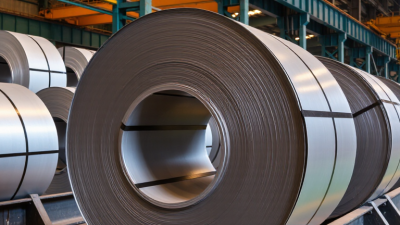
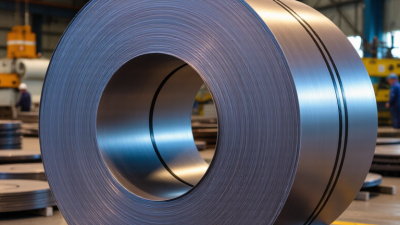
Choosing a hot rolled carbon steel coil in 2026 starts with the job it must perform. A fabricator making welded frames may prioritize strength and consistent thickness, while a workshop stamping brackets may need better formability. Carbon Steel Coil Hot Rolled is a broad product category, not one fixed grade or specification. The right choice depends on the steel grade, dimensions, surface condition, and processing requirements.
Common options include commercial-quality coils for general fabrication, drawing-quality grades for forming, and structural grades for load-bearing components. High-strength low-alloy coils can offer greater strength for applications where weight or material use matters. Pickled-and-oiled coils have a cleaner surface than black hot-rolled coils, but surface preparation may still be necessary before coating or painting. These options can overlap: a grade describes material properties, while pickling describes surface treatment. That distinction is easy to miss.
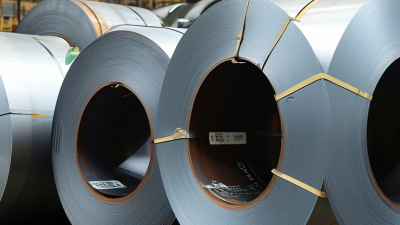
Check the mill certificate, applicable specification, coil thickness, width, and edge condition before ordering. A label alone cannot confirm suitability. Ask how tolerances are measured, and compare the supplier’s documentation with the requirements of your process. On the shop floor, a slight thickness variation can affect cutting, bending, or welding. There is no universal “best” coil. Real operating conditions sometimes expose gaps that a neat product chart cannot show. This guide compares the leading types and explains where each may fit, while recognizing that final selection should be confirmed against the project specification and supplier data.
Hot-rolled carbon steel coils are classified by chemistry, strength, forming behavior, and intended use. ASTM A1011/A1011M distinguishes commercial, drawing, structural, and high-strength low-alloy steel categories. These labels help buyers compare material, but they do not replace checking the grade specification. SAE J403 provides carbon-steel chemical composition ranges, while EN 10025 covers structural steel grades. The standards answer different questions.
A coil for a welded frame may need specified yield strength; a coil for a stamped panel may need better formability. Check grade, thickness, width, tensile properties, surface condition, and edge type on the mill test certificate. Details matter. The World Steel Association reported 1,892.2 million tonnes of global crude steel production in 2023 in World Steel in Figures 2024, showing the scale of a market serving many applications. Still, production totals do not tell you which coil suits a part. Two coils with similar strength can behave differently during bending, and classification names can vary between standards. I would verify the governing standard and forming requirements before treating a grade label as a complete purchasing specification.
| Coil Type | Common Standards or Grade Examples | Typical Characteristics | Common Applications | Selection Considerations |
|---|---|---|---|---|
| Commercial Quality (CQ) | ASTM A1011/A1011M Commercial Steel (CS); SAE carbon-steel grades may also be specified by chemistry | General-purpose hot-rolled steel intended for applications with routine forming and strength requirements. Mechanical properties depend on the specified grade and product thickness. | General fabrication, brackets, panels, racks, and non-critical formed components. | Confirm the required chemistry, thickness tolerance, surface condition, and forming operation with the supplier. |
| Drawing Quality (DQ) | ASTM A1011/A1011M Drawing Steel (DS) | Specified for improved formability compared with general commercial-quality material. The appropriate grade depends on the severity of the forming operation. | Stampings, drawn components, appliance parts, and other formed parts. | For deep or complex draws, check the exact grade, forming limits, coil consistency, and surface requirements. |
| Structural Steel | ASTM A1011/A1011M Structural Steel (SS); EN 10025-2 grades such as S235JR and S355JR, where applicable | Specified primarily by mechanical properties for load-bearing or fabricated components. Strength requirements vary by grade and, in some standards, product thickness. | Building components, frames, supports, brackets, and general welded or bolted structures. | Verify the governing standard, grade, thickness-dependent properties, weldability requirements, and design code. |
| High-Strength Low-Alloy (HSLA) | ASTM A1011/A1011M High-Strength Low-Alloy Steel (HSLAS); other regional HSLA specifications may apply | Designed to provide higher strength than ordinary carbon-steel grades through controlled chemistry and processing. Some grades are intended to offer improved formability. | Transportation components, agricultural equipment, structural parts, and weight-conscious fabrications. | Compare specified yield strength, toughness, forming needs, weldability, and applicable thickness limits; properties are grade-specific. |
| High-Strength Low-Alloy with Improved Formability | ASTM A1011/A1011M High-Strength Low-Alloy Steel with Improved Formability (HSLAS-F) | Combines strength requirements with formability provisions defined by the applicable specification and grade. | Formed structural parts, vehicle components, and fabricated products where both strength and shaping are important. | Confirm the precise grade and test requirements, and validate performance through forming trials for demanding shapes. |
| Carbon Steel by Carbon Grade | SAE J403 carbon-steel grades, including suitable SAE 10xx grades when specified for hot-rolled flat products | Chemistry-based classification. Carbon content and other elements depend on the exact grade; higher-carbon grades are generally less formable and may require different processing. | Machined or formed industrial parts and applications requiring a particular chemistry or response to heat treatment. | Specify the full grade and product form. Do not assume that a grade’s chemistry alone guarantees a particular mechanical property or heat-treatment result. |
| Pickled and Oiled (Surface-Finish Option) | Can be supplied in suitable hot-rolled grades covered by applicable standards; pickling and oiling describe surface condition, not a steel grade | Scale is removed by pickling and a light oil is applied to help limit rust during handling and storage. This finish does not make the steel corrosion-proof. | Parts needing a cleaner surface for fabrication, painting preparation, or further processing. | Specify the underlying steel grade separately, plus oiling, surface-quality, storage, and subsequent coating requirements. |
Classification note: Hot-rolled carbon steel coils can be classified by grade and intended performance, while terms such as pickled and oiled describe surface condition. Standards, available grades, and property limits vary by product form, thickness, and region; confirm the current specification and purchase requirements before ordering.