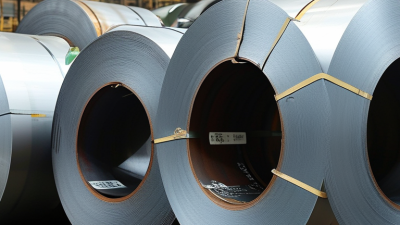
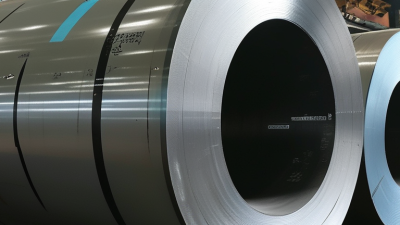
Global sourcing depends on more than finding the lowest coil price. It requires stable quality, reliable delivery, and clear technical communication. Carbon Steel Coil Stip can support demanding manufacturing programs when buyers define specifications before requesting quotations. Thickness, width, carbon content, surface condition, and coil weight must be confirmed early. Small differences can disrupt stamping, fabrication, or roll-forming operations.
The steel industry moves on trust. Lakshmi Mittal, a globally recognized steel leader, has said, “Steel is the backbone of modern society.” His observation explains why sourcing decisions deserve careful attention. A qualified supplier should provide mill test certificates, heat numbers, inspection records, and realistic production schedules. Buyers should also examine packaging details. A coil arriving with damaged edges or surface rust creates immediate costs, even when the purchase price looked attractive.
This guide examines why Carbon Steel Coil Stip remains valuable for global procurement. It considers consistency, customization, logistics, and supplier verification. Experienced buyers often request sample documentation before placing a large order. They may also compare slit widths, coil tolerances, and loading photographs. These details reveal operational discipline.
Yet sourcing is never perfectly predictable. Freight delays happen. Specifications may be misunderstood. A supplier with strong references can still disappoint under pressure. That is why an honest review must include risks, not only benefits. The best decision combines technical evidence, practical experience, and transparent communication. In global trade, confidence should be earned gradually.
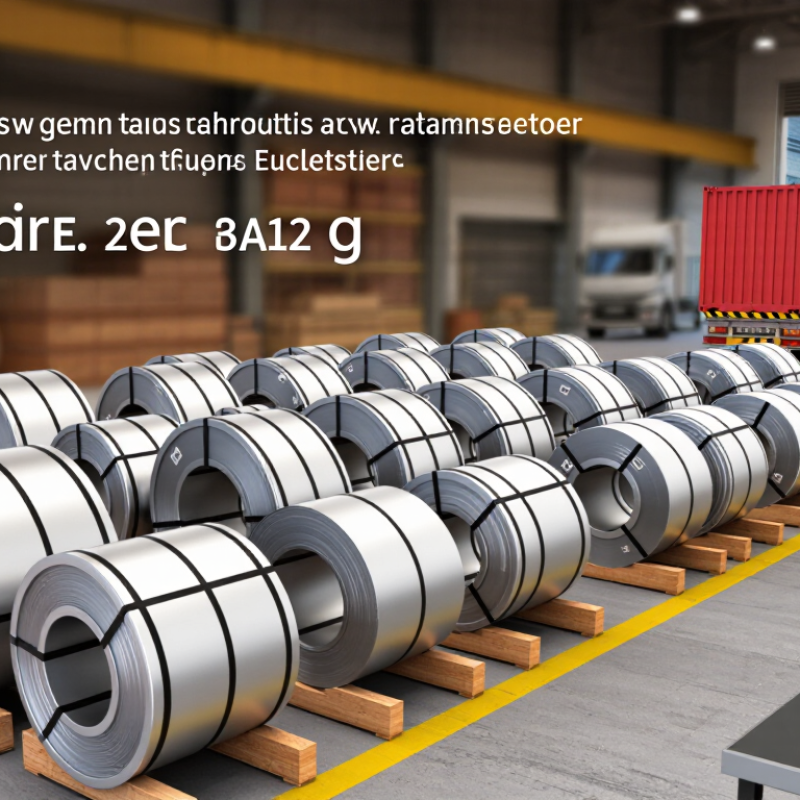
Carbon steel coil strip is flat-rolled steel wound into a continuous coil. Carbon provides much of its strength, while manganese and small residual elements support processing performance. Unlike stainless steel, it usually lacks enough chromium for strong corrosion resistance. It is not stainless. That distinction matters.
The material is commonly produced through hot or cold rolling. Hot-rolled coil offers practical strength and lower processing cost, while cold-rolled strip provides tighter thickness control and a smoother surface. Typical carbon content ranges from very low levels in drawing grades to about 0.60% in many higher-strength grades. The exact limit depends on the applicable standard. Standards still vary.
The World Steel Association reported 1,892.2 million tonnes of crude steel production in 2023 in World Steel in Figures 2024. USGS Mineral Commodity Summaries 2024 also placed global crude steel output near 1.9 billion tonnes. These figures show the scale supporting international coil sourcing, but they do not guarantee identical material quality.
Buyers should verify heat numbers, dimensions, yield strength, tensile strength, and elongation against the mill certificate. Check the edges, too. Slit-edge burrs can affect stamping and welding. In my experience, a low quoted price often hides packaging, tolerance, or surface risks.
Carbon steel is highly adaptable, yet corrosion protection remains an important weakness. Storage humidity, oil coverage, and transit time can change the final condition. Assuming every coil is interchangeable is an easy mistake.
Why Choose Carbon Steel Coil Strip for Global Sourcing?
Carbon steel coil strip starts with carefully measured iron, carbon, and alloying elements. In a controlled furnace, these materials become molten steel. The steel is cast into a slab, then reheated for hot rolling. Large rollers reduce its thickness and create a continuous coil. Cooling must remain consistent. Uneven cooling can affect hardness and shape.
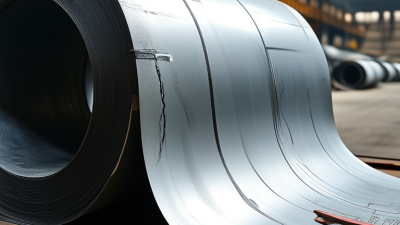
After hot rolling, the surface may contain scale. Pickling removes this layer with a controlled chemical process. Cold rolling then improves thickness accuracy and surface quality. Some grades require annealing to restore ductility. Tempering adds a light final reduction and helps control flatness. The coil is later slit into narrower strips, with edges checked for burrs and cracks. No production line is flawless. A small setup error can influence an entire batch.
Tips: Confirm the required grade, thickness tolerance, width, coil weight, and edge condition before ordering. Request inspection records and verify sampling methods. Check coil identification against packing documents. Moisture-resistant wrapping and firm supports reduce damage during long-distance transport. These details seem minor, but they often decide whether the strip runs smoothly in stamping, forming, or fabrication. Personally, I would also inspect the first delivered coil carefully. Specifications can look correct on paper, yet handling performance may still require adjustment.
Hot-rolled carbon steel coil strip passes through controlled heating, rolling, cooling, and coiling stages. The chart shows representative operating temperatures commonly used in industrial production.
Representative temperature ranges: exact settings vary by carbon content, strip thickness, target mechanical properties, and production route.
Why Choose Carbon Steel Coil Strip for Global Sourcing?
Key Advantages for Global Sourcing
For global sourcing teams, carbon steel coil strip offers a practical balance of strength, cost, and supply flexibility. Its continuous form supports slitting, stamping, bending, and other production steps with fewer interruptions. Buyers can specify width, thickness, surface condition, and coil weight before requesting quotations. That detail reduces surprises between the order and the factory floor.
The material suits automotive components, shelving, machinery parts, and general fabrication. Its predictable mechanical performance helps engineers set repeatable forming and cutting parameters. Large-volume coils also reduce packaging waste and handling time during shipment. For international purchasing, standardized inspection records make comparisons more reliable. Typical checks include dimensions, chemical composition, tensile strength, surface quality, and packing security. Clear tolerances matter more than attractive promises.
In practice, sourcing is not only about the lowest price. Freight distance, port conditions, import duties, and delivery schedules can change the real cost. A mill certificate is useful, but independent verification may still be necessary for critical applications. Small width deviations can create larger downstream losses. That risk deserves attention. Carbon steel also needs suitable protection against moisture, especially during long sea transport. Some buyers overlook this step. A trial order can reveal coiling, edge, and packaging problems before full-scale procurement.
Carbon steel coil strip suits global sourcing because its grade system is widely documented and commercially familiar. The World Steel Association reported about 1.89 billion tonnes of crude steel production in 2023. That scale supports broad supply options, but it also increases specification risk.
Common choices include ASTM A1008 for cold-rolled strip and ASTM A1011 for hot-rolled products. European projects may specify DC01 under EN 10130 or S235JR under EN 10025. These grades differ in yield strength, elongation, surface finish, and forming behavior. Thickness, width tolerance, coil weight, inner diameter, and slit-edge condition should appear clearly on the purchase order. Small details matter.
Quality evidence must go beyond a polished certificate. Require a mill test certificate with heat number, chemistry, tensile results, and dimensional data. Independent testing can verify coating, hardness, flatness, and burr height. ISO 9001 certification indicates a controlled management system, not automatic product conformity. That distinction is often missed. The World Steel Association’s sustainability reporting also shows why traceability and production data increasingly influence procurement decisions.
In practice, inspect coil edges under bright light. A sharp burr can damage feeding equipment. Check the coil surface for oil stains, red rust, and telescoping. No standard removes every risk. A supplier may meet the grade yet miss your forming requirements. Trial runs, retained samples, and clear acceptance limits remain necessary.
Carbon steel coil strip can look simple on a quotation sheet. International sourcing becomes harder when quality, logistics, and communication cross borders. Start with exact specifications, including steel grade, thickness, width, coil weight, surface condition, and edge type. Small tolerance differences can affect stamping, bending, and production speed. Details matter.
A reliable supplier should provide current mill test certificates, heat numbers, and clear traceability records. Ask how the supplier controls thickness variation, rust prevention, and packaging during ocean transport. Photos of wrapped coils are useful, but an independent pre-shipment inspection offers stronger evidence. Samples may help, yet they cannot reveal every production risk. That limitation deserves attention.
Production capacity and delivery history also require careful checking. Request realistic lead times, loading plans, and answers to delay scenarios. A low price may hide weak packaging, inconsistent quality, or expensive port handling. Compare the full landed cost, not only the coil price. Review payment terms, shipping responsibilities, insurance, and import documentation with qualified professionals.
Communication is another practical test. Suppliers should answer technical questions precisely and explain problems without vague promises. Ask for references from comparable industries when appropriate. An audit can reveal storage conditions, equipment maintenance, and worker training. No supplier is perfect. The better choice is often the one that admits weaknesses and shows a measurable improvement plan.