What is Carbon Steel Coil Black and Its Key Applications?
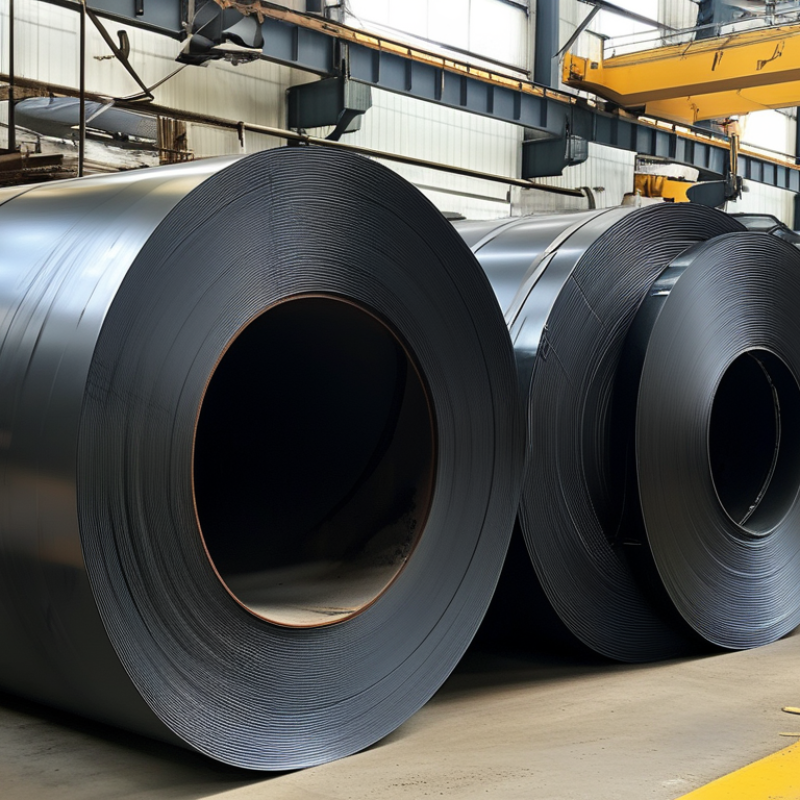
Carbon Steel Coil Black is a versatile material widely used in various industries. Its properties make it suitable for many applications, particularly in construction and manufacturing. This unique steel coil features a dark finish, which helps in improving its corrosion resistance.
The applications of Carbon Steel Coil Black are extensive. Manufacturers utilize it in producing pipes, automotive components, and structural frameworks. However, the selection of this material requires careful consideration of its characteristics, including strength and ductility. Understanding its limitations is crucial for engineers and designers alike.
In conclusion, Carbon Steel Coil Black presents both opportunities and challenges. Its widespread use illustrates its reliability, yet awareness of potential drawbacks is essential. Proper application ensures optimal performance across various sectors.
What is Carbon Steel Coil Black?
Carbon steel coil black is a versatile material known for its strength and durability. It features a dark, non-reflective surface due to a specific manufacturing process. This finish makes it ideal for applications where aesthetics are less crucial, but functional performance is vital. The coating on the coil helps prevent corrosion, although it does require maintenance to ensure longevity.
Such coils find their place in various industries. They are commonly used in construction for beams and reinforcements. Their sturdy nature allows for heavy loads. Additionally, carbon steel coil black is utilized in automotive manufacturing. It can be found in body panels and structural components. The coils are also essential for making appliances and tools, benefiting from their resilience.
Despite its advantages, using carbon steel coil black has drawbacks. The heavy weight can complicate transport and installation. Also, if not treated properly, it can oxidize over time, leading to rust. Industries must weigh the benefits against potential maintenance issues. This complex decision-making process is part of working with carbon steel. Each application must consider these factors carefully.
Composition and Properties of Carbon Steel Coil Black
Carbon steel coil black is a type of carbon steel that has a dark, oxidized surface. This characteristic comes from the manufacturing process. The surface layer is formed by oxidation when the steel is heated. The main composition of carbon steel includes iron, carbon, and varying amounts of manganese, phosphorus, and sulfur. The carbon content in these coils typically ranges from 0.05% to 2.0%, affecting the steel's hardness and strength.
The properties of carbon steel coil black make it suitable for various applications. Its tensile strength can reach up to 370 MPa, depending on the specific composition. This strength is crucial in industries like construction and automotive. Additionally, the material's ductility allows for easy forming and fabrication. Yet, the oxidation also presents challenges. The surface can be prone to corrosion over time, which requires proper handling and treatment.
In the construction industry, black carbon steel coils serve as an essential component for structural frames. They are used in beams, columns, and reinforcements. Reports indicate a growing demand for carbon steel in emerging markets, contributing to expected annual growth rates of around 5%. Despite its many advantages, the inconsistency in quality can be a concern. This variability might lead to unexpected failures in critical applications. It highlights the need for rigorous quality control and standardization practices.
What is Carbon Steel Coil Black and Its Key Applications? - Composition and Properties of Carbon Steel Coil Black
| Property |
Description |
| Composition |
Carbon steel coil black typically contains carbon (0.05% to 0.25%), iron, and small amounts of manganese, silicon, and sulfur. |
| Physical Properties |
Carbon steel coil black is known for its high strength and durability, ductility, and resistance to deformation. |
| Surface Finish |
The surface is typically uncoated with a black oxide finish, providing a distinctive appearance. |
| Key Applications |
Used in construction, automotive components, machinery manufacturing, and various structural applications. |
| Heat Treatment |
Can be heat treated to enhance strength and hardness depending on the specific application requirements. |
| Welding Capability |
Good weldability, making it easy to fabricate into complex shapes and structures. |
Manufacturing Process of Carbon Steel Coil Black
The manufacturing process of carbon steel coil black involves several key steps that enhance its properties and utility. Initially, raw materials like iron ore and scrap steel are melted in a furnace at high temperatures. This creates molten metal, which is then processed to remove impurities. Reports indicate that over 70% of the carbon steel produced is used in construction and manufacturing sectors.
After purification, the molten steel is cast into slabs. These slabs undergo hot rolling, a technique where they are heated and rolled into thin sheets. Hot rolling raises the temperature of the steel above its re-crystallization point, ensuring a uniform thickness. Research indicates that this process results in a steel strength increase of up to 20% compared to other methods. The final step involves cooling and coiling the sheets into rolls for ease of handling.
Challenges can arise during this manufacturing process. Maintaining the desired carbon content is crucial, as even slight variations can affect strength and ductility. Furthermore, quality control is vital in preventing defects. Experts suggest that careful monitoring of temperature and rolling speed is essential to ensure consistency. This meticulous attention to detail ultimately contributes to the reliability and performance of carbon steel coil black in various applications.
Key Applications of Carbon Steel Coil Black in Industries
Carbon steel coil black has diverse applications across various industries. Its strength and durability make it a preferred choice for many manufacturers. One common use is in construction. Steel beams, columns, and reinforcements often utilize this material due to its high tensile strength. The black coating helps resist corrosion, enhancing its lifespan in structural applications.
Another critical area is in the automotive industry. Carbon steel coil black is frequently used in car body parts and chassis. It provides a balance of weight and strength, contributing to fuel efficiency. Additionally, this type of steel is vital in creating products used in household appliances. The functionality of items like refrigerators and washing machines often relies on this sturdy material.
While carbon steel coil black is beneficial, its use is not without challenges. It can be susceptible to rust if not properly coated or maintained. This raises questions about long-term durability in specific environments. Producers must evaluate the conditions where these materials will be used. Ensuring proper maintenance and coating application can mitigate some risks. The versatility of carbon steel coil black will continue to drive its demand as industries evolve.
Advantages of Using Carbon Steel Coil Black Over Other Materials
Carbon steel coil black is a versatile material widely used in various industries. Its advantages over other materials are notable. For instance, carbon steel has excellent tensile strength. According to a report by the World Steel Association, it accounts for approximately 90% of total steel production. This large-scale production contributes to affordability, making it a preferred choice for many applications.
One key benefit of carbon steel coil black is its durability. It resists wear and tear, which results in lower maintenance costs. The processing of this material allows for various thicknesses, catering to specific project needs. In the automotive sector, carbon steel is used extensively in chassis and body components due to its strength and formability. A study indicated that automobiles made with high-strength carbon steel can reduce vehicle weight by up to 30%, improving fuel efficiency.
Moreover, its machinability is a point of interest. While some alloys are hard to work with, carbon steel coil black can be easily cut and shaped, which streamlines production processes. Challenges exist, however. The susceptibility to corrosion without proper treatment can be a concern. Industries must weigh these factors carefully. Balancing strength, cost, and longevity is crucial in selecting the right material for projects.