Carbon Steel Coil Strip Tips for Optimal Performance and Usage?
Carbon Steel Coil Strip is a crucial material in various industries. Its versatility and strength make it ideal for many applications, from automotive to construction. Understanding how to optimize its performance can lead to greater efficiency and cost savings.
When utilizing Carbon Steel Coil Strip, several factors come into play. First, choosing the right thickness and width is essential. This decision impacts not only strength but also ease of handling. Furthermore, ensuring proper storage conditions is vital. Moisture can lead to corrosion, affecting the material's integrity.
Working with Carbon Steel Coil Strip requires knowledge and skill. It’s not just about getting the dimensions right. There are intricacies in cutting, welding, and bending that can make or break a project. Professionals often learn through experience, refining their techniques over time. However, it’s important to reflect on mistakes. Each error offers a lesson in improving future endeavors.
Understanding Carbon Steel Coil Strip: Composition and Properties
Carbon steel coil strips are vital in various manufacturing processes. Understanding their composition is key to leveraging their properties. They typically consist of iron and a small percentage of carbon. The carbon content affects hardness and ductility. For lighter uses, the carbon percentage may be lower, ranging from 0.05% to 0.25%. In contrast, higher carbon steel offers enhanced strength, making it suitable for industrial applications.
Tips: Choosing the right carbon steel coil can significantly impact performance. Ensure your options match the project's requirements. Always check for imperfections in the strip. Any slight deformity could lead to failure in the production phase. Additionally, maintaining proper storage conditions is critical. Carbon steel is susceptible to rust when exposed to moisture.
Regular analysis and testing of carbon steel strips can provide insights into their reliability. Microscopic examination helps determine the steel's microstructure. Industry reports suggest that investing in quality steel reduces long-term costs. Using subpar materials often leads to costly failures in the manufacturing line. Overall, understanding the implications of steel composition leads to better decision-making.
Key Factors Affecting the Performance of Carbon Steel Coil Strips
The performance of carbon steel coil strips hinges on several key factors. Firstly, the steel's chemical composition greatly influences its strength and ductility. Carbon content, along with other alloying elements, must be carefully balanced. A higher carbon content typically increases hardness but can reduce the material's workability. Striking the right balance is essential for optimal results.
Temperature during processing is another crucial element. Heat treatment can alter the mechanical properties of the steel. Both cooling rates and heat treatment time play a role. It is important to monitor these variables closely. Ignoring them can lead to unintended results, including warping or brittleness.
In addition to composition and temperature, surface finish cannot be overlooked. A rough surface may lead to increased friction during usage, impacting performance negatively. Thorough inspection and quality control are vital. They help ensure that each coil strip meets performance standards. Reflecting on these factors can lead to improved production processes and product reliability.
Carbon Steel Coil Strip Performance Factors
This bar chart illustrates key performance metrics of carbon steel coil strips, including tensile strength, ductility, thickness variation, surface roughness, and yield strength. Understanding these factors is crucial for optimizing the usage and performance of carbon steel coil strips in various applications.
Optimal Processing Techniques for Carbon Steel Coil Strips
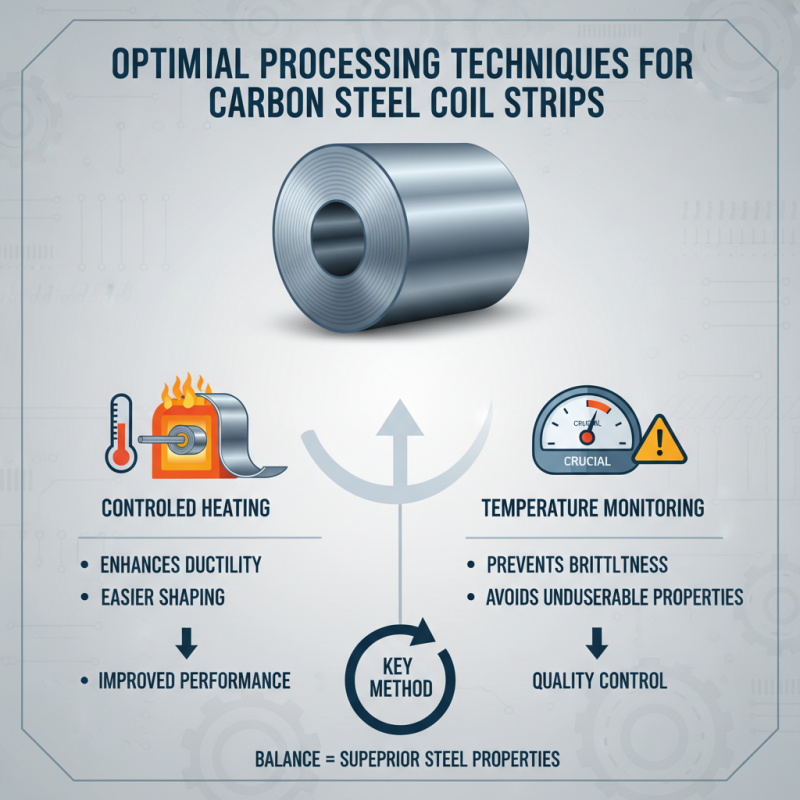
When it comes to processing carbon steel coil strips, certain techniques can significantly improve performance. One key method is controlled heating. This process enhances the steel's ductility, making it easier to shape and manipulate. However, too much heat can lead to undesirable properties, like brittleness. It's crucial to monitor temperatures closely.
Proper cutting techniques also play a vital role. Employ clean, sharp tools to ensure precise cuts. Dull blades can create jagged edges, leading to potential defects. Additionally, using the right speed during cutting can minimize stress on the material. Remember that every machine has its limits. Testing can reveal optimal settings.
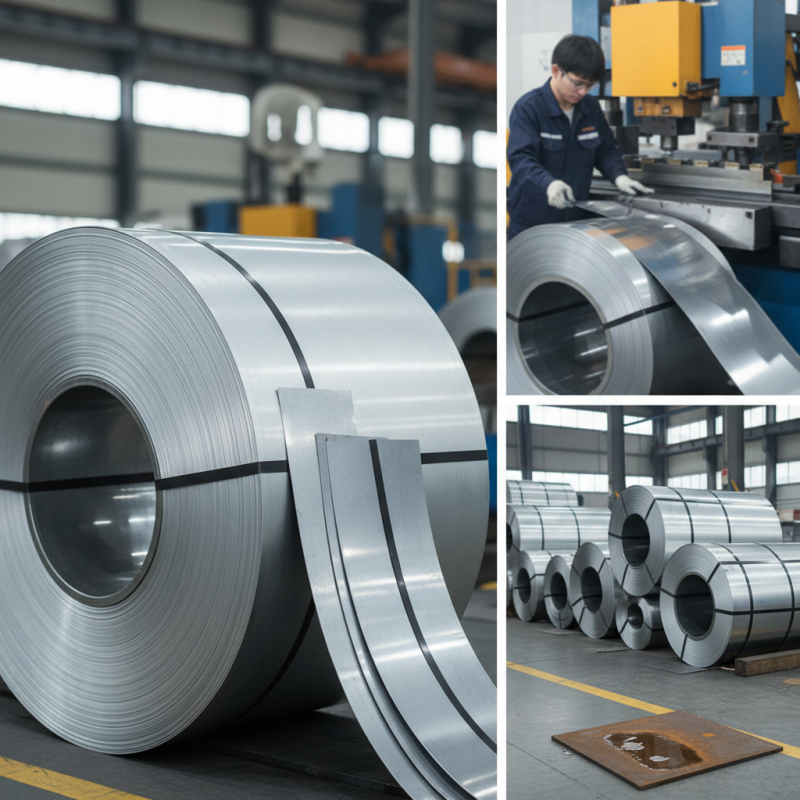
When transporting carbon steel coils, keep them protected from moisture. Steel is prone to rusting if exposed. Regular inspections during storage are essential. They help identify early signs of corrosion or damage. Taking these steps can make a significant difference in product longevity. Balancing these techniques may require trial and error, but they enhance the overall quality of your output. Remaining adaptable can lead to better results in the long run.
Industry Standards and Grades for Carbon Steel Coil Applications
Carbon steel coil strips are essential in various industries. Understanding the industry standards and grades is vital for optimal performance. The American Iron and Steel Institute (AISI) classifies carbon steel into various categories. These include low, medium, and high carbon grades. Each type has distinct properties, affecting strength, ductility, and weldability.
Low carbon steel, like AISI 1006, contains approximately 0.05% to 0.25% carbon. It offers excellent formability. Medium carbon steel, such as AISI 1040, ranges from 0.25% to 0.60% carbon. It strikes a balance between strength and ductility. High carbon steel, beyond 0.60%, is less malleable but offers superior hardness.
The mechanical properties can differ significantly. For instance, low carbon steel may yield strength around 250 MPa, while high carbon can exceed 700 MPa. These variations impact the selection for specific applications, such as automotive frames or structural components. Misjudging the required grade can lead to performance failures, underscoring the need for thorough material evaluation. Always consider the specific demands of your project to avoid costly mistakes.
Maintenance and Handling Tips for Carbon Steel Coil Strip Efficiency
Proper maintenance of carbon steel coil strips is crucial for optimal performance. Regular inspections help detect any signs of rust or damage early. Create a routine cleaning schedule. Use soft cloths and mild cleaners to prevent scratch marks and other damages. Ensure that the area is well-lit during inspections. This aids in noticing any flaws in the surface.
Handling carbon steel coils requires attention. Always use appropriate lifting tools. Avoid dropping the coils, as this can create dents or bends. Store them in a dry and clean environment. Moisture can lead to oxidation, which reduces the coil's longevity. Consider using rust inhibitors as a preventive measure. When transporting, secure the coils to prevent movement during transit.
These tips can enhance efficiency, yet keep in mind that human error occurs. Mistakes in handling can happen, leading to increased wear. Training staff on best practices can minimize these errors. Recognizing that improvements are continuous is essential for long-term performance. Adjust maintenance schedules based on observed outcomes. Constant reflection will guide better results in handling these valuable materials.