What is the Best Carbon Steel Coil for Global Buyers?
In the competitive world of manufacturing, choosing the right material is crucial. Carbon Steel Coil stands out as a versatile option known for its strength and durability. Global buyers must understand its various grades and applications to make informed decisions. This material is widely used in automotive, construction, and appliances.
Understanding the nuances of Carbon Steel Coil is essential for sourcing effectively. Its different characteristics can affect performance in specific applications. For instance, high carbon varieties offer improved hardness but may be less ductile. Buyers should weigh the trade-offs when selecting the appropriate coil for their needs.
As the market evolves, new players may emerge, introducing unique products. However, not every supplier guarantees reliability. A keen eye for quality and consistency is vital. Striking a balance between cost and performance can be challenging yet rewarding. With informed choices, global buyers can optimize their operations using Carbon Steel Coil.

Understanding Carbon Steel Coils and Their Applications
Carbon steel coils are essential in various industries, offering flexibility and strength. They play a vital role in construction, automotive, and appliance manufacturing. According to a market report by Research and Markets, the global carbon steel market was valued at approximately $564 billion in 2022 and is projected to grow due to rising demands. This growth is stimulated by the increasing need for durable materials with high tensile strength.
Applications of carbon steel coils vary widely. In construction, they are used for reinforcing structures. In automotive industries, they are essential for body panels and chassis. Each application demands specific properties like thickness, tensile strength, and corrosion resistance. The right choice of carbon steel coil can enhance the performance and longevity of the final product.
Tips: When selecting carbon steel coils, consider the end application. Ensure to check the specifications carefully. Always assess the steel’s mechanical and chemical properties. This diligence helps avoid issues like structural failures or corrosion. Understanding the unique requirements of your project is crucial for optimal material selection.
Key Characteristics of High-Quality Carbon Steel Coils
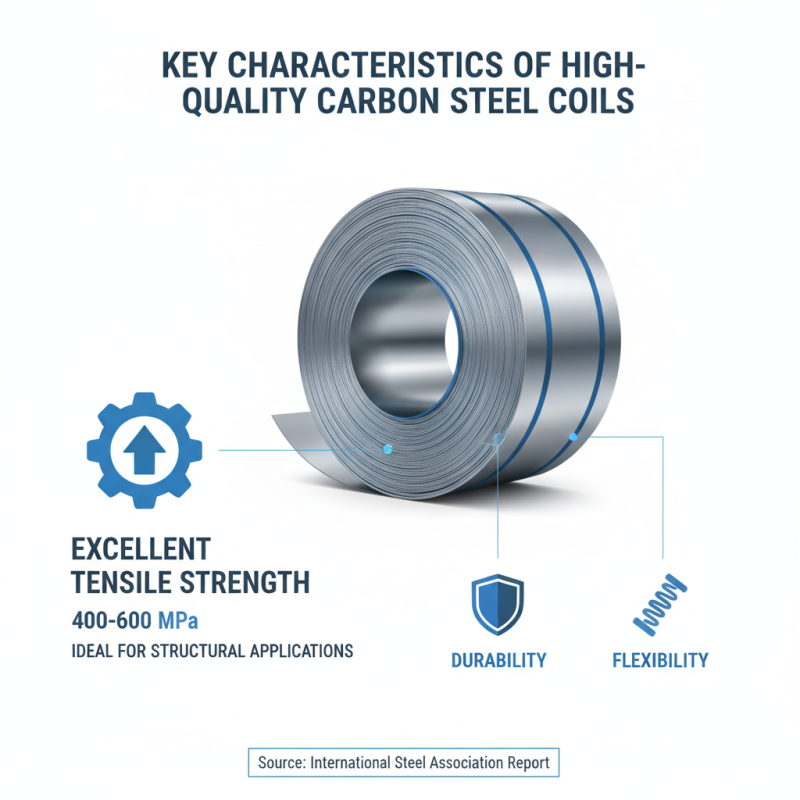
When considering carbon steel coils, quality is paramount. High-quality carbon steel coils exhibit several key characteristics. First, they should have excellent tensile strength. According to a recent report by the International Steel Association, a tensile strength range of 400-600 MPa is ideal for structural applications. This range allows for durability without sacrificing flexibility.
Surface finish also plays a crucial role. A smooth surface reduces the likelihood of corrosion and enhances aesthetic appeal. Rough surfaces may lead to inconsistencies in coating adhesion. Data from the Steel Research Institute suggests that a surface roughness value of less than 1.6 micrometers is optimal for coating processes.
Weldability is another vital aspect. Certain carbon steel compositions, particularly those with lower carbon content, are easier to weld. The Welding Engineering Society recommends using coils with below 0.15% carbon for optimal weldability. These parameters ensure that buyers receive products that meet their specific needs while maintaining quality and reliability. However, some manufacturers may prioritize cost over these key attributes, potentially compromising the overall product performance.
Top Global Suppliers of Carbon Steel Coils for Buyers
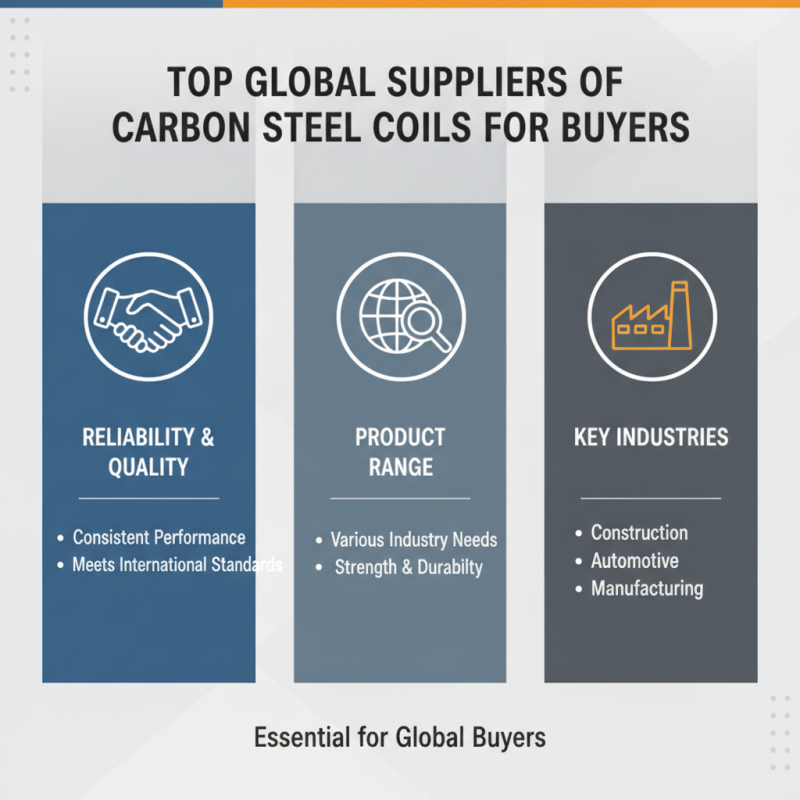
When considering carbon steel coils, global buyers must focus on reliability and quality. The best suppliers offer a range of products, catering to various industry needs. These suppliers emphasize consistent performance, ensuring that each coil meets international standards for strength and durability. High-quality carbon steel coils are essential for construction, automotive, and manufacturing sectors.
Tips for buyers: Evaluate the supplier's track record. Look for reviews and ratings from previous customers. This can offer insight into the supplier's reliability and product quality. Also, consider the coil's specifications, as different grades serve different purposes.
It's important to note that not all suppliers maintain the same standards. A thorough vetting process is necessary. Inconsistencies in quality can affect production efficiency. Always ask about certifications and lab testing. Request samples before making bulk purchases to verify the material’s properties firsthand. Establishing a strong communication line with suppliers ensures misunderstandings are minimized.
Factors Influencing the Selection of Carbon Steel Coils
Selecting the right carbon steel coil involves various factors that significantly influence the final decision. One crucial element is the coil's thickness. Thicker coils offer better durability but can be more challenging to work with. Buyers should assess their specific needs. The application of the steel coil also plays a vital role. Industrial, automotive, and construction sectors demand different specifications and properties.
Another important factor is the chemical composition of the steel. Some applications require higher carbon content for enhanced strength, while others benefit from lower levels for improved ductility. Buyers should ensure they understand the desired properties of the coils for their intended use.
Tips: Always consult with experts who have experience in selecting carbon steel coils. Their insights can save time and resources. Additionally, consider getting samples before making large purchases. Testing the material's performance in real-world applications helps ensure satisfaction. Monitoring quality standards is critical as inconsistencies may arise between batches.
Comparative Analysis of Carbon Steel Coils and Alternatives
When considering carbon steel coils, it's essential to understand the different alternatives available. Carbon steel is a popular choice due to its strength and versatility. Many industries utilize it for various applications. However, alternatives like stainless steel and aluminum also offer unique benefits. Stainless steel, for example, is resistant to corrosion, making it suitable for certain environments. Aluminum is lightweight and can be easily shaped, ideal for specific designs.
In a comparative analysis, carbon steel coils stand out for their cost-effectiveness. They provide excellent mechanical properties and can be manufactured in various grades. However, carbon steel is prone to rust if not properly coated. Some buyers may overlook protective treatments, leading to long-term issues. Understanding these nuances can help inform better purchasing decisions.
It's crucial to weigh the pros and cons of each option. Carbon steel coils are reliable but may require extra care. Meanwhile, alternatives like stainless steel or aluminum might offer greater longevity in specific conditions. Buyers need to assess their unique requirements and understand the trade-offs involved. This nuanced approach ensures that the chosen material aligns with both performance and budget needs.