What is Steel Plate Carbon Steel Coil and Its Applications?
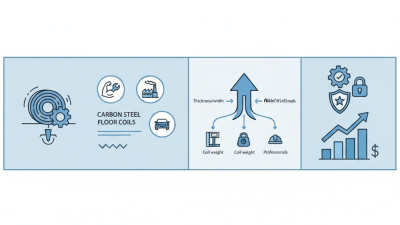
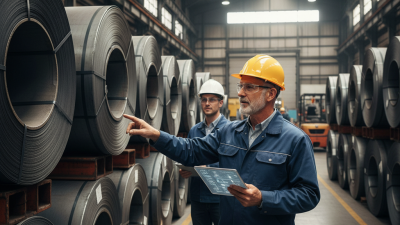
Steel Plate Carbon Steel Coil is a significant material in various industries. It is known for its strength and versatility. These coils are commonly used in construction and manufacturing. The unique properties of carbon steel make it suitable for a wide range of applications.
In construction, this material supports buildings and infrastructure. It provides structural integrity at an affordable cost. In manufacturing, companies rely on Steel Plate Carbon Steel Coil for fabricating components and machinery. Its durability ensures long-lasting performance, but the choice of thickness and quality can vary.
Despite its many advantages, challenges exist. Improper handling can lead to rusting and corrosion. Moreover, not all carbon steels are created equal. Understanding grades and specifications is crucial for successful applications. As industries evolve, so do the needs for materials like Steel Plate Carbon Steel Coil. It is essential to stay informed about advancements and best practices.
What is Carbon Steel Coil?
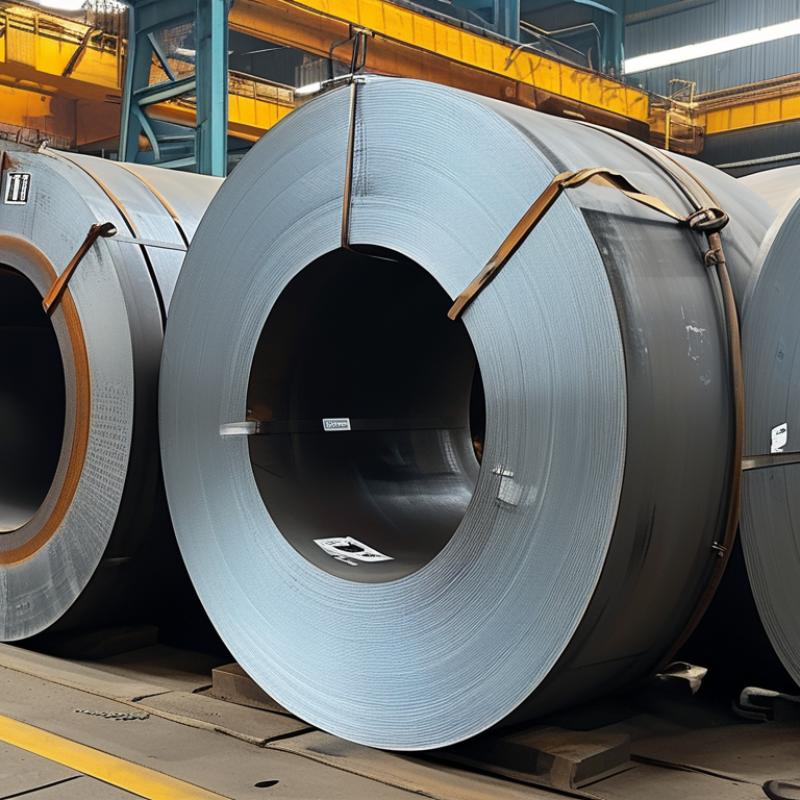
Carbon steel coil is a versatile material in today’s manufacturing world. It consists primarily of iron and carbon. The carbon content varies, usually between 0.05% and 2.0%. This range affects the steel's strength, ductility, and malleability. High carbon content increases hardness but reduces flexibility.
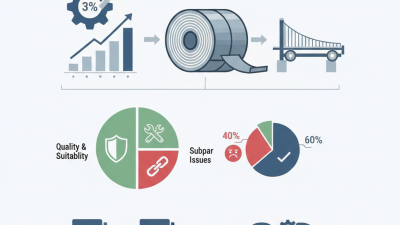
With its strength, carbon steel coil finds applications in numerous industries. The automotive sector relies heavily on carbon steel for car frames and body panels. According to recent industry reports, around 60% of automotive sheets are made from carbon steel. In construction, it is fundamental for beams and reinforcements. Steel's recyclability further enhances its appeal, as about 90% of carbon steel can be reused.
Using carbon steel is not without challenges. It can corrode easily without proper treatment. Surface protection coatings are essential for durability. Additionally, manufacturing processes can produce inconsistencies in thickness. These factors can lead to re-evaluating material choices based on performance requirements. These concerns highlight the need for careful inspection during production.
Steel Plate Carbon Steel Coil Applications
Characteristics of Steel Plate Carbon Steel Coil
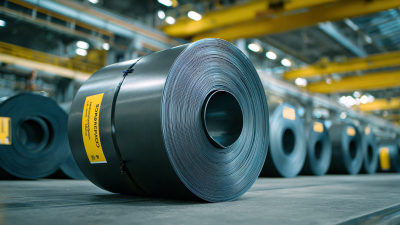
Steel plate carbon steel coils are vital in various industries. These coils are made from iron, carbon, and trace elements. They offer excellent mechanical properties, such as strength and ductility. The carbon content can vary, influencing the final product's hardness and tensile strength. This variation allows for different applications that require specific material characteristics.
One notable feature of carbon steel coils is their versatility. They can be easily fabricated into various shapes and sizes. This adaptability makes them suitable for construction, manufacturing, and automotive industries. Despite their robust properties, carbon steel can be prone to rusting if not properly treated. Proper coatings or galvanization can help mitigate this issue. It's essential to consider these factors when selecting materials for projects.
While carbon steel coils excel in strength, their weight can be a downside in some applications. They require careful handling during installation and transport. There’s also a need for regular maintenance to ensure their longevity. Understanding these characteristics is crucial for making informed decisions in material selection. Identifying the right balance between strength and weight might take time and experience.
Manufacturing Process of Carbon Steel Coils
The manufacturing process of carbon steel coils is a meticulous journey.
Steelmaking begins with raw materials like iron ore and scrap metal. These ingredients are melted in electric arc furnaces, creating molten steel. This steel is then alloyed, forming different carbon compositions.
Once the desired composition is achieved, continuous casting is employed. The molten steel solidifies into slabs, which undergo reheating. After this, hot rolling transforms the slabs into thin coils. This step is critical for developing the desired thickness and strength. The coils must be uniform, but even small inconsistencies can impact performance.
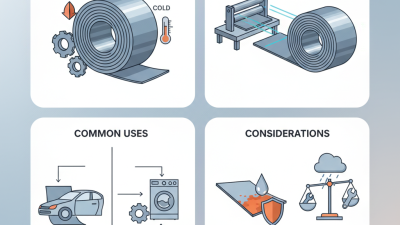
Cold rolling often follows, enhancing surface finish and dimensional accuracy. This process is vital for applications in construction and automotive industries. Each coil must meet strict quality standards, but imperfections can slip through. Manufacturers continuously strive to balance efficiency and quality—a challenging endeavor. The interplay of temperature, pressure, and speed during rolling requires expertise. Even minor errors can lead to defects, necessitating careful monitoring throughout production.
Common Applications of Carbon Steel Coils
Carbon steel coils are widely used in various industries due to their strength and versatility. According to recent industry reports, the demand for carbon steel products is projected to grow by over 4% annually. This is driven by construction and manufacturing sectors. These coils are essential in producing structural components and machinery.
In the automotive industry, carbon steel coils play a critical role. They provide the necessary strength for components like frames and panels. A report by the Steel Market Development Institute highlighted that about 20% of carbon steel is used in automotive manufacturing. This illustrates its significance in ensuring vehicle safety and performance.
Another significant application is in the construction sector. Carbon steel coils are fundamental in reinforcing structures. They are used in beams, columns, and steel reinforcements. Data from the American Institute of Steel Construction indicates that steel represents about 95% of the material used in the construction of high-rise buildings. However, challenges remain, such as sustainability and recycling. The industry is under pressure to improve its environmental footprint.
Benefits of Using Carbon Steel in Various Industries
Carbon steel is a versatile material widely used across various industries. Its unique properties make it especially beneficial in sectors such as construction, automotive, and manufacturing. According to the World Steel Association, around 50% of steel produced globally is carbon steel, underscoring its significance.
One major advantage of carbon steel is its strength-to-weight ratio. This allows for lighter structures without compromising safety. For instance, the construction industry often utilizes steel plates for buildings and bridges due to their durability. In automotive production, components made from carbon steel can withstand high levels of stress while remaining cost-effective, as noted by the American Iron and Steel Institute. These qualities contribute to both performance and economic efficiency.
Sustainability is another factor in carbon steel’s appeal. The recycling rate of carbon steel is approximately 90%, making it an eco-friendly choice. However, challenges exist. The carbon content can lead to brittleness if not managed properly. This necessitates careful selection and processing to ensure reliability in applications. Industries must remain aware of these factors to truly leverage the benefits of carbon steel, balancing between innovation and quality control.