Inquiry
Form loading...

2026 How to Choose the Right Carbon Steel Roll Coil?

Choosing the right Carbon Steel Roll Coil requires expertise and attention to detail. John Anderson, a leading expert in metallurgy, emphasizes, "Selecting the right coil can determine the success of your project." His insight reflects the importance of understanding specific needs.

Carbon Steel Roll Coils come in various grades and specifications. Each type serves particular applications and industries. Choosing incorrectly can lead to failures, inefficiencies, and increased costs.

Recognizing the characteristics of different coils is essential. Factors like thickness, width, and mechanical properties must align with your project requirements. The decision-making process does not come without challenges. Oversights in selecting the wrong Carbon Steel Roll Coil can lead to serious repercussions. It is crucial to evaluate all factors before making a choice.
2026 How to Choose the Right Carbon Steel Roll Coil?

Understanding Carbon Steel and Its Applications

2026 How to Choose the Right Carbon Steel Roll Coil?

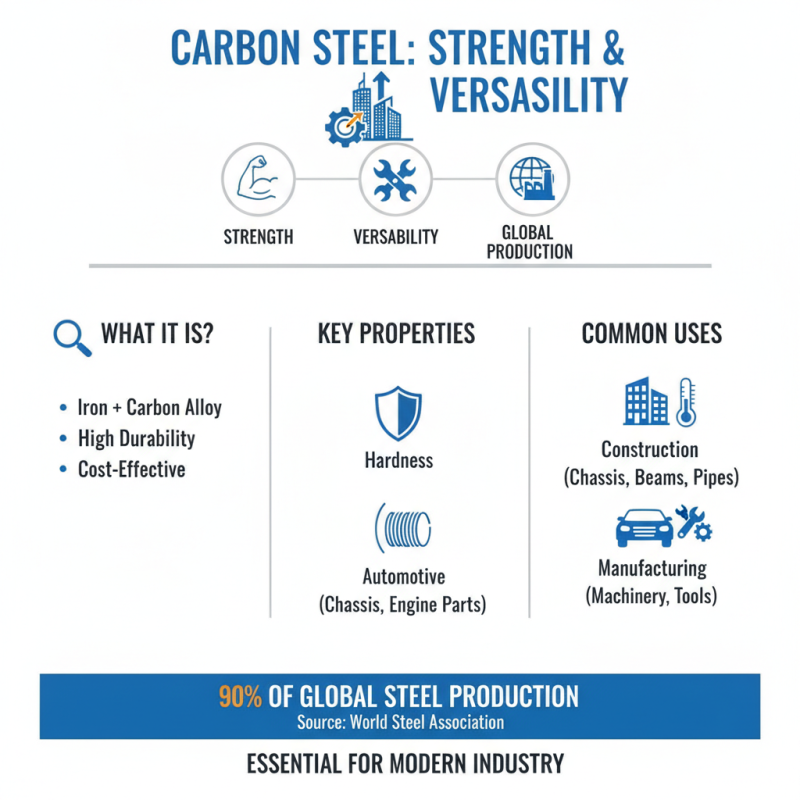
Carbon steel is a widely used material in various industries due to its strength and versatility. According to the World Steel Association, carbon steel accounts for approximately 90% of global steel production. It is commonly employed in construction, automotive, and manufacturing sectors. Understanding its properties is essential for making informed choices in applications.

Different grades of carbon steel, such as low, medium, and high carbon steel, exhibit unique characteristics. Low carbon steel is malleable and ideal for machining. Conversely, high carbon steel offers greater hardness, making it suitable for cutting tools or structural components. However, the balance between hardness and ductility can pose challenges. For instance, while high carbon steel is strong, it can become brittle under certain conditions.

The relevance of these distinctions grows as industries evolve. The demand for sustainable materials is on the rise. Researchers from the American Iron and Steel Institute noted that eco-friendly practices are becoming integral to steel production, which could influence the choice of carbon steel in future applications. Understanding the various types and their corresponding benefits and drawbacks is crucial for both manufacturers and consumers in the current market.
Identifying Key Properties of Carbon Steel Roll Coils

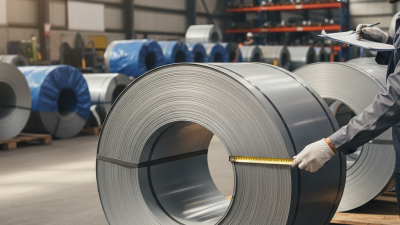
Choosing carbon steel roll coils requires an understanding of their key properties. Key characteristics include tensile strength, ductility, and corrosion resistance. Tensile strength determines how much load the coil can handle. Ductility refers to how easily it can be shaped without breaking. Corrosion resistance protects the steel from harsh environments.

When selecting a roll coil, consider the intended application. Different industries have distinct requirements. For instance, automotive applications may prioritize strength, while construction might focus on ductility. It's essential to balance these properties based on your specific needs.

Tips: Always check material specifications before purchase. Conduct tests to gauge the coil's suitability for your project. Remember, even the best coils can have limitations. Assess these allowances carefully and prepare for adjustments in your design or usage strategy. Not all coils will perform identically. This variability can impact outcome success. Be ready to adapt.

Assessing Quality Standards for Carbon Steel Roll Coils

When selecting carbon steel roll coils, one must prioritize quality standards. These standards can significantly influence the final product's durability and performance. According to industry reports, nearly 30% of carbon steel products fail to meet expected tensile strength requirements. This emphasizes the need for rigorous quality assessments during procurement.

A reliable carbon steel roll coil should conform to ASTM specifications. These specifications ensure that the material has adequate yield strength and ductility. Documents from the American Iron and Steel Institute indicate that nearly 60% of manufacturers prioritize these standards. However, not all suppliers provide complete certifications. This gap can lead to subpar materials entering production lines. Thus, manufacturers should conduct regular supplier audits to ensure compliance with these essential standards.

Inspecting the surface finish is another critical factor. Poor surface conditions can cause defects in the final application. Current data shows that roughly 25% of carbon steel issues stem from surface irregularities. These can lead to failures in manufacturing processes or product life cycles. It is imperative to establish a reliable evaluation method to address these concerns proactively.

Comparing Different Grades of Carbon Steel for Your Needs

2026 How to Choose the Right Carbon Steel Roll Coil?

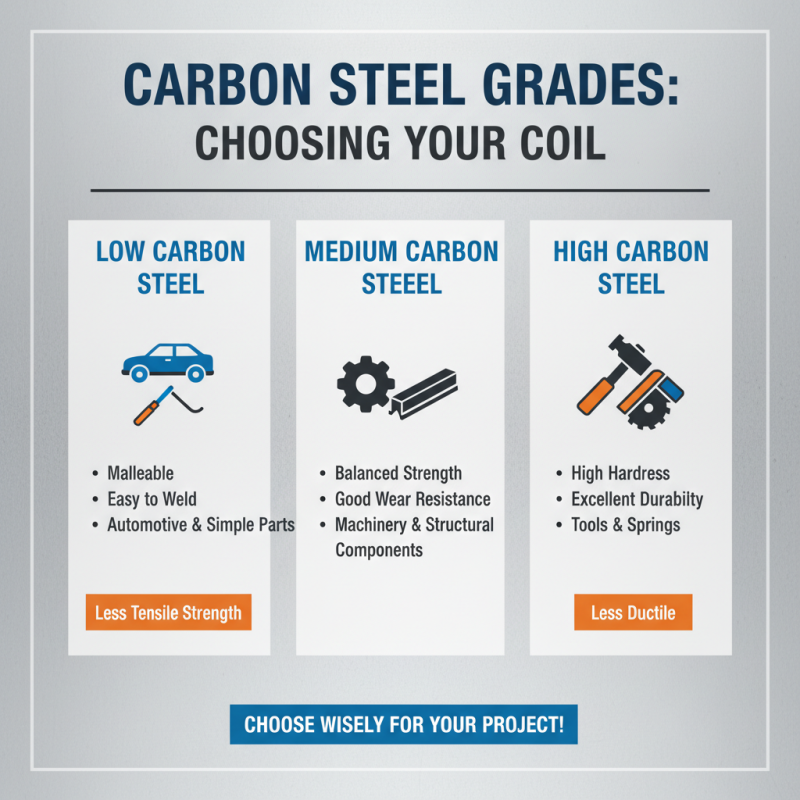
When selecting a carbon steel roll coil, understanding the different grades is crucial. Carbon steel comes in various grades, each with unique properties. For instance, low carbon steel is malleable and easy to weld, making it suitable for automotive applications. However, it may lack tensile strength for more demanding projects.

Medium carbon steel offers a balanced property mix. It has improved strength and hardness, ideal for machinery parts. Yet, its welding requirements may require special techniques. High carbon steel, while strong and wear-resistant, can be challenging to work with. It often needs heat treatment for optimal performance, which can complicate production.

Deciding on the right grade involves evaluating your project's requirements. Examine factors like tensile strength, corrosion resistance, and ductility. Remember, the most expensive option isn’t always the best for your needs. Each grade has trade-offs. It’s essential to match the grade to the application to maximize efficiency and reliability. Exploring these details can lead to informed choices, ultimately enhancing your project outcomes.

Making a Cost-Effective Choice: Budgeting for Carbon Steel Rolls

When budgeting for carbon steel roll coils, it's essential to understand both the material and the market. Carbon steel is often chosen for its durability and cost-effectiveness. However, prices fluctuate based on market conditions. A budget should consider not just the current price but also potential future increases. Investing in quality materials pays off in long-term projects.

Consider various suppliers and their pricing structures. It might be tempting to go with the cheapest option, but this can sometimes lead to hidden costs. Poor quality steel can cause delays and increase waste, which ultimately affects your budget. Spend time researching and comparing different suppliers. This diligence ensures you’re making informed choices.

Make room for unexpected expenses in your budget. Steel prices can change overnight based on global events or supply chain issues. Planning for contingencies can save you from financial strain later on. Always have a conversation with your supplier about their pricing policies and any foreseeable changes in the market. Calculate all possible scenarios to prepare for any surprises.