What is Mild Carbon Steel Coil and Why Choose It?
Mild Carbon Steel Coil is a vital material in various industries. It offers a unique combination of strength, ductility, and affordability. As John Smith, a leading expert in metallurgy, once stated, "Mild Carbon Steel Coil is the backbone of modern manufacturing." This underscores its significance in construction and automotive sectors.
This type of steel coil is versatile. It can be easily shaped and welded. Its low carbon content makes it resistant to cracking under stress. However, careful handling is necessary. While Mild Carbon Steel Coil is dependable, neglecting proper maintenance can lead to issues like corrosion.
Choosing the right material is crucial for any project. Mild Carbon Steel Coil stands out due to its balance between performance and cost. But, it's essential to understand its limitations. Industry professionals must weigh their options carefully. The suitability of Mild Carbon Steel Coil hinges on the specific application.
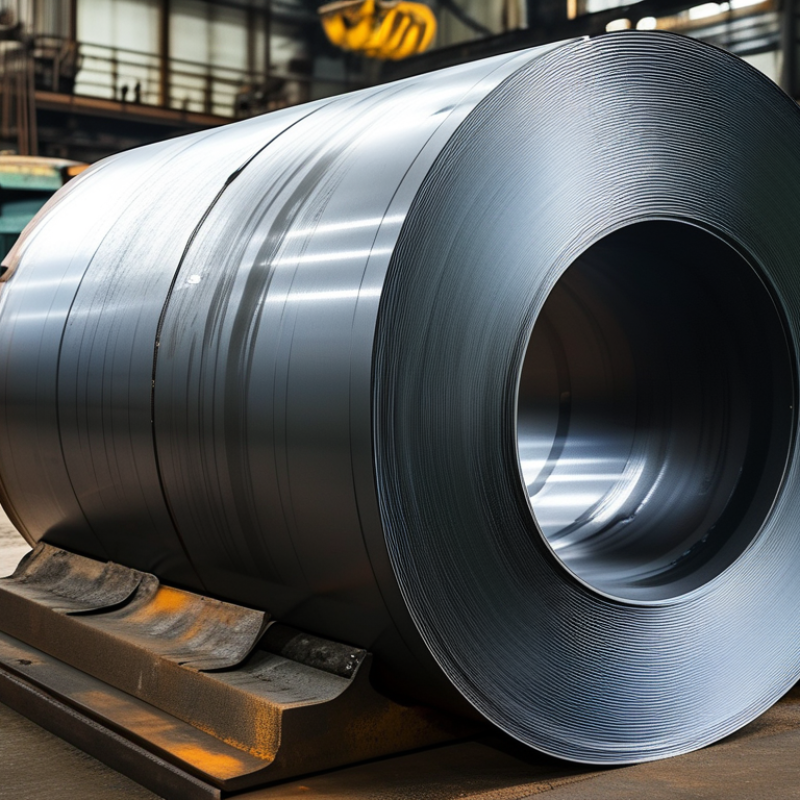
Definition and Composition of Mild Carbon Steel Coil
Mild carbon steel coil
is an essential material in various industries.
Its composition typically includes about 0.05% to 0.25% carbon, along with iron and small amounts of other elements. This low carbon content makes it ductile and malleable, allowing for easy forming and shaping. According to industry reports, mild steel represents approximately 75% of total steel production globally, highlighting its importance.
The properties of mild carbon steel coil contribute to its wide usage. Its tensile strength varies between 300 to 400 MPa, making it ideal for structural applications. This steel type is also corrosion-resistant to some extent. However, it lacks the hardness of higher-carbon steels, which might limit its application in demanding environments. Companies often weigh these trade-offs when selecting materials for specific projects.
Mild carbon steel coils are also cost-effective compared to other steel types. Industry analyses suggest that mild steel costs about 20-30% less than medium or high-carbon alternatives. This affordability, combined with its desirable mechanical properties, makes it a go-to choice for manufacturing, construction, and automotive sectors. Nonetheless, buyers should carefully consider their requirements, as using mild carbon steel in high-stress applications may not be appropriate.
Characteristics and Properties of Mild Carbon Steel Coil
Mild carbon steel coil is a fundamental material in various industries. Its popularity stems from a mix of desirable characteristics and properties. One primary feature is its excellent weldability. This makes it ideal for fabrication and construction tasks. Additionally, mild steel has good formability, allowing it to be easily shaped into different forms. Its tensile strength is notable, providing the necessary durability for many applications.
Mild carbon steel is categorized by its low carbon content, typically ranging from 0.05% to 0.25%. This low level contributes to its ductility. In manufacturing, this means it can undergo significant deformation without cracking. However, it is crucial to consider its susceptibility to corrosion. Protective coatings can enhance its longevity, but without them, exposure to moisture may lead to rust.
Another intriguing aspect is its thermal conductivity. Mild steel can withstand high temperatures but may lose strength when heated excessively. This property makes it suitable for applications requiring thermal management. While there are compelling reasons to choose mild carbon steel, it’s essential to weigh its advantages against potential limitations. Selecting the right material often requires careful consideration of an application's specific demands.
Applications of Mild Carbon Steel Coil in Various Industries
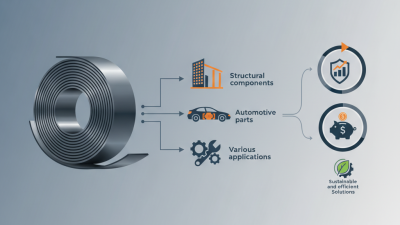
Mild carbon steel coil is a versatile material with a wide range of applications. In the construction industry, it plays a crucial role. Builders use it for making structural frames and beams. The material is favored for its strength and flexibility. It can withstand various loads and stresses. However, sometimes, it can be vulnerable to corrosion if not properly treated.
Manufacturers in the automotive sector also rely on mild carbon steel coils. This material is ideal for producing car body parts and frames. Its ability to retain shape under stress makes it a top choice. Despite its advantages, the welding process can be tricky. Improper techniques can lead to weak joints and structural failures.
In the appliance industry, mild carbon steel coils find a place in creating durable products. They are used in refrigerators, washers, and dryers. The reliability of mild carbon steel makes it a common pick. Yet, manufacturers need to be cautious about quality control. Flaws in the material could lead to poor performance over time. Each industry must weigh the pros and cons carefully.
Benefits of Choosing Mild Carbon Steel Coil for Projects
Mild carbon steel coil is a versatile material favored in various industries. It contains a low carbon percentage, typically between 0.05% and 0.25%. This composition gives it unique qualities. It is less brittle than higher carbon steels, making it easier to work with. Additionally, its weldability is a significant advantage.
Choosing mild carbon steel coils for projects offers many benefits. First, they exhibit excellent machinability. This means fabricators can cut, punch, or shape them with ease. This adaptability leads to lower production costs and faster turnaround times. The steel’s inherent strength makes it suitable for structural applications. Its resistance to wear ensures longevity in demanding environments.
However, some disadvantages exist. While mild carbon steel offers strength, it lacks the corrosion resistance seen in other metals. This property can lead to rusting if not properly coated or maintained. Additionally, its mechanical properties may not be suitable for high-stress applications. Careful evaluation of project requirements is essential before choosing mild carbon steel coil. It's crucial to weigh the pros and cons to achieve the best results.
Benefits of Mild Carbon Steel Coil
Comparative Analysis: Mild Carbon Steel Coil vs. Other Steel Types
Mild carbon steel coil is a popular choice in many industries. Its mechanical properties strike a balance between strength and ductility. According to a report by the World Steel Association, mild carbon steel constitutes about 90% of all steel production worldwide. This popularity stems from its excellent workability and cost-efficiency.
When comparing mild carbon steel coil to other steel types like stainless steel or high-carbon steel, significant differences emerge. Mild carbon steel is less expensive, making it ideal for large-scale projects. Its tensile strength, typically around 400-500 MPa, is adequate for general applications. In contrast, stainless steel offers corrosion resistance but at a higher cost and lower workability. High-carbon steel, while stronger, can be brittle and harder to shape.
Consider areas where mild carbon steel may fall short. In environments with high corrosion risk, alternatives may perform better. Additionally, while mild carbon steel is versatile, it may not meet the mechanical requirements for specific high-stress applications. Each steel type has its advantages and drawbacks, so careful evaluation is crucial.
What is Mild Carbon Steel Coil and Why Choose It? - Comparative Analysis: Mild Carbon Steel Coil vs. Other Steel Types
| Property |
Mild Carbon Steel Coil |
High Carbon Steel |
Alloy Steel |
Stainless Steel |
| Carbon Content |
0.05% - 0.25% |
0.30% - 1.00% |
0.05% - 0.50% (with other alloys) |
Low carbon with chromium, nickel, etc. |
| Ductility |
High |
Medium |
Varies |
High |
| Tensile Strength |
400-580 MPa |
600-1200 MPa |
400-700 MPa |
500-800 MPa |
| Weldability |
Excellent |
Fair |
Good |
Excellent |
| Corrosion Resistance |
Low |
Low |
Medium |
High |
| Common Applications |
Structural components, automotive parts |
Tools, springs, high-strength applications |
Machinery, pipelines |
Kitchen equipment, medical devices |