Mild Carbon Steel Coil Buying Tips for Global Importers?
In the competitive world of manufacturing, importing Mild Carbon Steel Coil demands attention to detail. Experts in the industry highlight the significance of selecting the right material. John Smith, a recognized authority in steel procurement, states, “Quality material is the backbone of any successful project.”
Understanding the qualities and specifications of Mild Carbon Steel Coil is crucial. It can greatly influence product outcomes. Global importers must be aware of various aspects, from sourcing to compliance with international standards. A single oversight can lead to costly errors or delays.
Many importers overlook crucial details during their purchasing process. They often focus on pricing, ignoring quality and supplier reliability. This short-sightedness can yield subpar results. By prioritizing both quality and cost-effectiveness, importers could make more informed decisions. This approach enhances both their supply chain efficiency and project success.
Understanding Mild Carbon Steel Coils: Key Characteristics
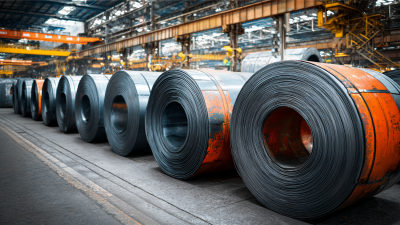
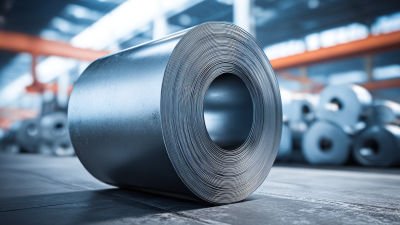
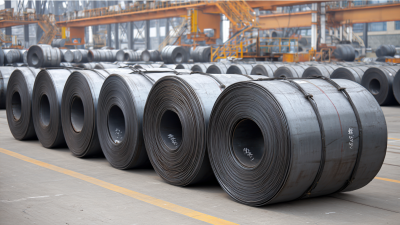
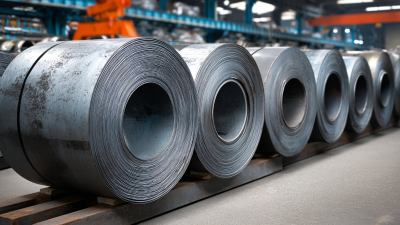
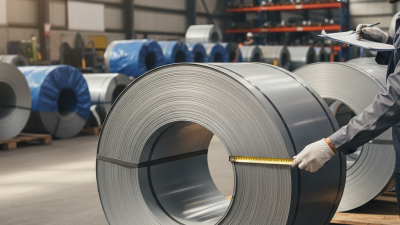
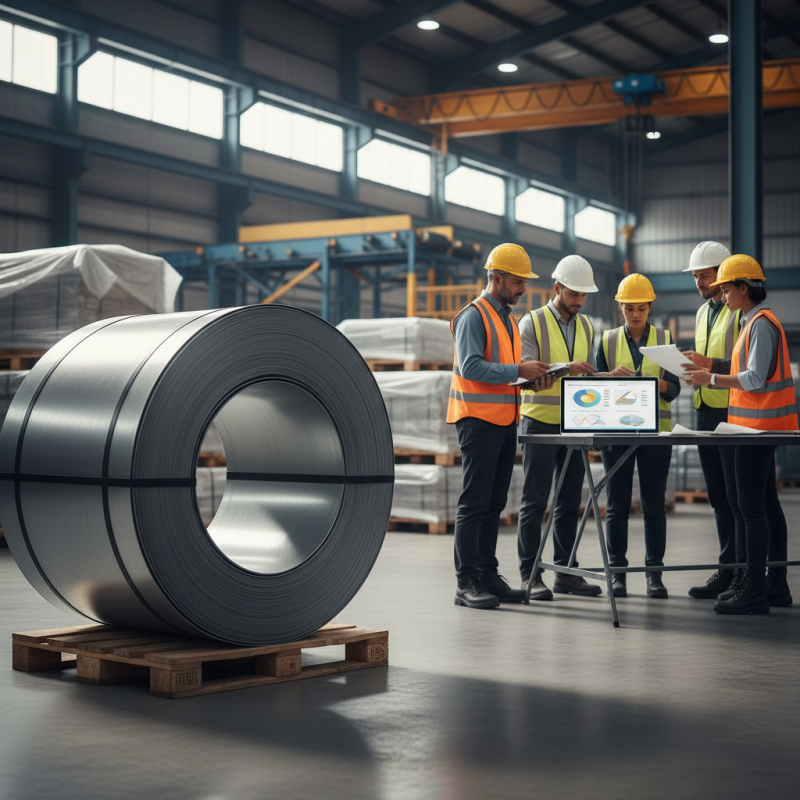
Mild carbon steel coils are essential materials used across various industries, from construction to manufacturing. These coils exhibit a low carbon content, ranging from 0.05% to 0.25%, which enhances their ductility and formability. According to a recent market analysis by Research and Markets, the demand for mild carbon steel is projected to grow by 3.5% annually. This growth reflects its versatility and cost-effectiveness.
Tips: Consider the grade of steel. Different grades can significantly impact your project requirements. Assess your specific needs carefully. Thickness also matters; mild steel coils typically range from 0.2mm to 25mm. The correct thickness can optimize your production processes.
Quality varies among suppliers. Ensure you request certifications and test reports. These documents confirm material properties. Remember, not all suppliers maintain strict quality controls. Inspect samples before making large purchases. Additionally, the coil's mechanical properties—like yield strength and tensile strength—should align with your project's requirements.
Understanding these characteristics can lead to better purchasing decisions. This awareness not only aids cost management but also promotes project efficiency. Take the time to compare options, as even slight differences in specifications can have significant consequences.
Identifying Reliable Suppliers for Global Importation of Steel Coils
When importing mild carbon steel coils, identifying reliable suppliers is crucial. The global steel market continues to evolve, with a projected growth rate of 4% in the next five years, according to the World Steel Association. This growth makes it vital to choose suppliers whose practices align with industry standards.
Research indicates that 70% of steel importers face challenges verifying supplier credibility. Reviews, certifications, and references are essential tools. Industry trade shows can also provide insight into a supplier's reputation and reliability. Be cautious of suppliers who lack transparency in their processes. Reliable sources often provide detailed product specifications, quality certifications, and sustainability practices.
Furthermore, building long-term relationships can benefit both parties. Many importers report decreased costs and increased efficiency when they work closely with established suppliers. It’s important to acknowledge that not every supplier will meet expectations. Continuous evaluation and feedback loops are key to ensuring quality and reliability in the supply chain.
Evaluating Quality Standards and Certifications for Steel Products
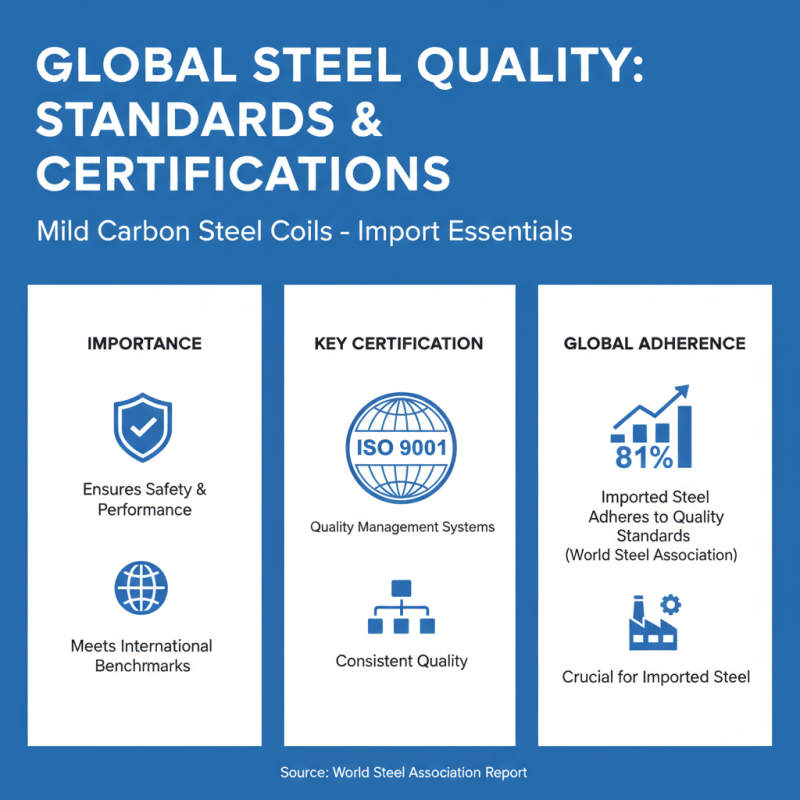
When importing mild carbon steel coils, understanding quality standards is crucial. Various certifications ensure that steel products meet international safety and performance benchmarks. According to a report by the World Steel Association, about 81% of steel imported globally adheres to specific quality standards like ISO 9001. This ISO standard focuses on consistent quality management systems, which is essential for imported steel products.
Evaluating certifications can help buyers avoid subpar materials. For instance, products certified with JIS G 3101, relevant to Japanese industrial standards, assure the buyer of the steel's quality and integrity. It is concerning that some importers overlook certification details, leading to costly errors. A study reveals that 25% of imported steel does not meet the expected compliance metrics, highlighting the need for rigorous checks.
Additionally, regional variances in quality standards can complicate buying processes. Importers must be aware of these differences. Frequent changes in regulations can lead to confusion. Losing track of required certifications can lead to importing inferior products. Buyers should actively seek expert advice to navigate these challenges. Regularly consulting industry reports could also help keep compliance knowledge fresh.
Cost Considerations: Pricing Trends in the Mild Carbon Steel Market
In today's global market, mild carbon steel prices are influenced by various factors. Recent reports indicate that prices have shown a slight increase of 5% over the past quarter. This uptick mainly results from rising demand and fluctuating raw material costs. During the last year, global production faced challenges, affecting supply and pricing.
Importers should monitor pricing trends closely. Local market dynamics and geopolitical situations can change costs rapidly. For example, steel tariffs in certain regions can escalate prices unexpectedly. Thus, staying informed about these shifts is critical for making savvy purchasing decisions.
Furthermore, understanding seasonal trends can provide insights into pricing. Historically, the industry sees price hikes during construction peak seasons. This pattern means that buyers should plan purchases strategically. Engaging with industry reports and expert analyses is vital. Relying on real-time data can enhance decision-making.
Logistics and Shipping: Best Practices for Importing Steel Coils Globally
When importing mild carbon steel coils, understanding logistics and shipping is crucial. Effective planning can minimize delays and reduce costs. For global importers, it's vital to consider the entire supply chain. This ensures that coils arrive safely and efficiently at their destination.
Tips for successful importing include knowing your shipping options. Whether by sea or air, each method has its own advantages and drawbacks. Sea freight is often more economical for large shipments. However, it takes longer. Air freight is faster but can be costly. Weighing these factors helps in selecting the right option.
Another essential tip involves understanding customs regulations. Each country has unique import laws, which can complicate delivery. Ensure all documentation is complete. Missing details can result in fines or shipment delays. Partnering with experienced logistics providers can alleviate these concerns. They can offer insights and facilitate smoother processes throughout your import journey.
Mild Carbon Steel Coil Import Trends (2023)