Top Low Carbon Steel Coils Strips for Global Buyers?
The demand for low carbon steel coils strips is growing globally. These materials are crucial in various industries, including automotive and construction. Low carbon steel is preferred for its excellent ductility and weldability.
Choosing the right supplier can be challenging. Buyers must consider product quality, price, and reliability. Not all suppliers meet industry standards. Researching and comparing different options is essential.
This article examines top options for steel coils low carbon strips. We aim to provide insights that help make informed decisions. Understanding market trends will guide buyers in selecting the best products. Keep in mind the importance of quality assurance and supplier credentials.
Overview of Low Carbon Steel Coils and Strips
Low carbon steel coils and strips are essential materials in various industries. Their low carbon content, usually below 0.3%, gives them excellent ductility and weldability. This makes them ideal for applications like automotive manufacturing and construction. The malleability of these materials allows for easy forming into desired shapes. They can be produced in various thicknesses and widths, catering to different requirements.
The versatility of low carbon steel makes it a preferred choice for many buyers. These products can be easily coated for additional protection against corrosion. Furthermore, they are often used in producing pipes, tanks, and other structural elements. The demand remains steady due to their cost-effectiveness and efficiency.
However, suppliers must navigate challenges like fluctuating prices and raw material availability. Regional differences in production standards can also affect quality. Buyers should conduct thorough research to ensure they choose credible sources. Verification of performance specifications is crucial to avoid subpar materials. Investing time in understanding the product can lead to better outcomes in usage.
Key Properties and Benefits of Low Carbon Steel
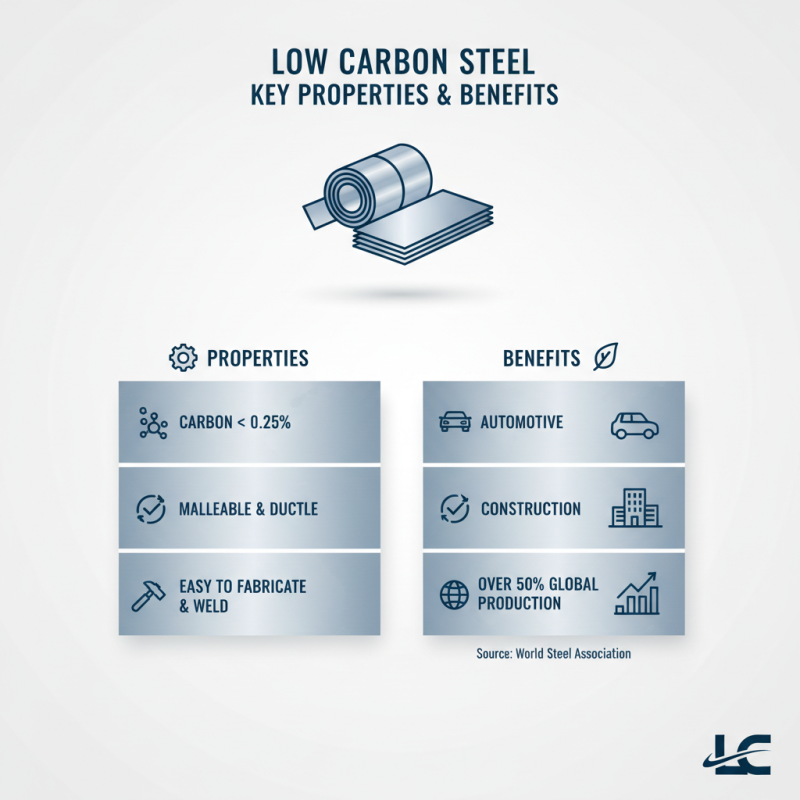
Low carbon steel coils and strips play a crucial role in various industries due to their favorable properties. These materials contain carbon levels typically below 0.25%, making them malleable and ductile. This unique composition allows for easy fabrication and welding, essential in automotive and construction sectors. According to the World Steel Association, low carbon steel accounts for over 50% of global steel production, highlighting its significance.
One of the primary benefits of low carbon steel is its excellent formability. This property enables manufacturers to create complex shapes and designs without compromising structural integrity. Additionally, it offers good tensile strength, ensuring durability. The American Iron and Steel Institute notes that low carbon steels maintain a good balance between strength and workability, essential for producing high-performance components.
Low carbon steel also exhibits superior corrosion resistance when properly treated. Many manufacturers utilize coatings to enhance this property further. However, certain applications may require additional measures to ensure longevity. The ability to recycle low carbon steel makes it an environmentally friendly choice, aligning with global sustainability goals. Despite its advantages, the use of low carbon steel is not without challenges. Users must consider varying mechanical properties and the potential for higher costs in specific applications.
Leading Global Manufacturers of Low Carbon Steel Coils
Low carbon steel coils are essential in various industries. They are known for their excellent formability and weldability. Many manufacturers focus on these properties to create high-quality products. Global buyers seek reliable sources to ensure consistency in their projects.
Leading manufacturers of low carbon steel coils prioritize technology and innovation. They invest in research to improve material strength and reduce weight. This focus enhances the performance of finished goods. However, some manufacturers struggle with quality control. This can lead to inconsistencies that affect end-user trust.
Sustainability is also a key concern. Manufacturers are increasingly adopting eco-friendly practices. This includes minimizing waste and optimizing production processes. However, challenges remain in sourcing raw materials responsibly. Continuous improvement is necessary to balance quality and environmental responsibility in the industry.
Top Low Carbon Steel Coils - Global Production by Region
Market Trends and Demand for Low Carbon Steel Products
The low carbon steel market is witnessing significant trends in demand, particularly from construction and automotive sectors. According to a recent report by Research and Markets, the global low carbon steel market is projected to grow at a CAGR of 4.5% through 2026. This growth is primarily driven by the increasing need for lightweight and durable materials in manufacturing.
In recent years, sustainability has become a critical focus for many industries. Low carbon steel offers an eco-friendly alternative compared to high carbon variants. Industry experts from the World Steel Association noted that lower carbon emissions during production contribute to its growing popularity. The demand for low carbon steel products is also influenced by government regulations aimed at reducing carbon footprints.
While the market is on an upward trend, challenges persist. Fluctuations in raw material prices and competition from other materials can impact supply chains. Vendors must adapt to these changes swiftly. Addressing these hurdles is crucial for maintaining growth. With fluctuating demand, businesses need to invest in research and development. They must ensure their production processes align with environmental standards.
Applications of Low Carbon Steel Coils in Various Industries
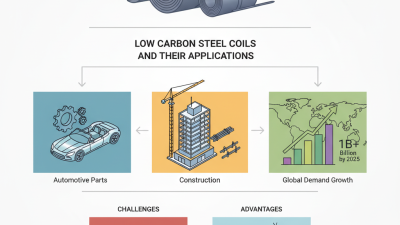
Low carbon steel coils play a vital role in various industries. Their flexibility and durability make them an ideal choice for manufacturing and construction. In automotive production, these coils are used for body panels and frames. This application requires materials that can withstand impact while remaining lightweight.
In the construction sector, low carbon steel coils are essential for creating structural components. They are often used in beams and reinforcements. This ensures buildings maintain structural integrity under various loads. Additionally, low carbon steel is resistant to rust, aiding in long-term performance.
Tip: When sourcing low carbon steel coils, consider the specific requirements of your project. Evaluate the thickness, coating, and tensile strength. These factors truly impact overall performance and durability.
Another application is in appliances. Low carbon steel coils are commonly used in items like refrigerators and ovens. They lend strength without adding unnecessary weight. Yet, there may be a need to assess the environmental impact. Some manufacturing processes can result in emissions that affect sustainability. It's important to seek suppliers committed to reducing their carbon footprint.
Tip: Always check for certifications that indicate environmental responsibility. These certifications can offer peace of mind in your purchasing decisions.