2026 How to Source Cold Rolled Carbon Steel Coil Effectively?
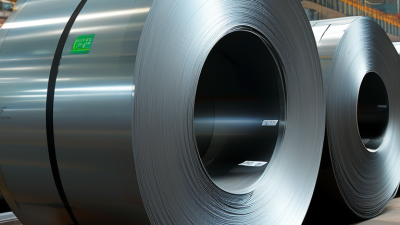
Sourcing Cold Rolled Carbon Steel Coil effectively is a critical process for many industries. The right materials can make a significant difference in production quality. This steel type is known for its smooth finish and close tolerances, which are essential in manufacturing applications. However, sourcing it requires careful consideration.
Understanding the market and suppliers is key. Many manufacturers offer this product, but not all maintain high standards. Assessing their capabilities and reputation is crucial. Verifying certifications and previous work adds another layer of assurance. Reliable suppliers can provide consistent quality.
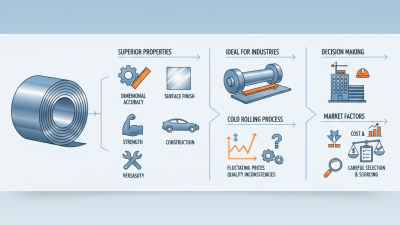
Keep in mind that prices can vary widely. Finding a balance between cost and quality is often challenging. Some suppliers may offer lower prices, but the quality might not meet your standards. It’s important to evaluate your specific needs and the potential long-term implications of your choice. Making informed decisions leads to better outcomes in sourcing Cold Rolled Carbon Steel Coil.
Understanding Cold Rolled Carbon Steel Coil and Its Applications
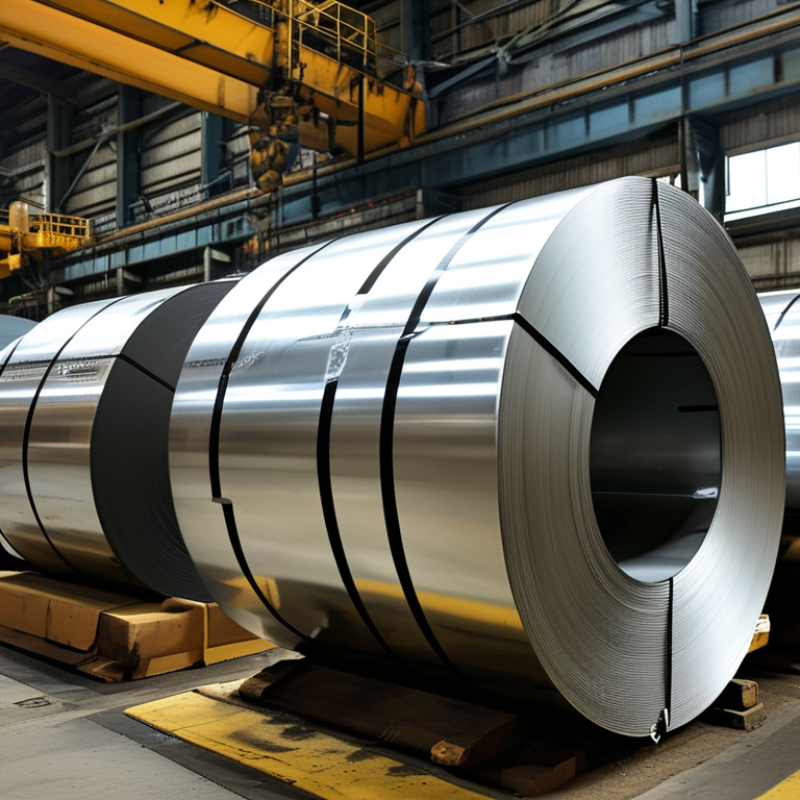
Cold rolled carbon steel coil is a vital material in various industries. This product offers enhanced surface finish and tighter dimensional tolerances compared to hot-rolled steel. According to the World Steel Association, over 1.5 billion metric tons of steel are produced annually, with a significant portion dedicated to cold-rolled products. Their applications range from automotive parts to appliances and construction materials.
This steel type undergoes a refining process that improves strength and formability. Industries favor cold rolled steel due to its versatility. In fact, estimates suggest that cold rolled carbon steel represents almost 30% of the total steel market. Specific uses include making structural components and precision machinery. However, sourcing high-quality coils can be challenging. Companies often struggle to balance cost and quality, which leads to discrepancies in product performance.
Choosing reliable suppliers is crucial for maintaining quality standards. Some manufacturers might offer lower prices but compromise on material integrity. Regular audits and quality checks can mitigate risks. Understanding the specific requirements of your application is equally essential as it informs the sourcing strategy. This makes it mandatory to evaluate both technical specifications and supplier reliability.
Identifying Reliable Suppliers for Cold Rolled Steel Coils
Finding reliable suppliers for cold rolled steel coils can be a challenging task. The quality of the steel and the reputation of the suppliers are crucial factors. It is essential to conduct thorough research before making any commitments. Start by seeking out suppliers with a strong history in the industry. Look for those who have established connections and good reviews.
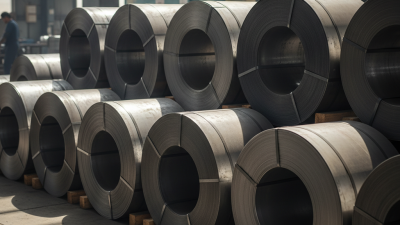
When evaluating suppliers, request samples to assess their product quality. This allows you to examine their steel coils firsthand. Pay attention to the finish and consistency of each coil. Ask for references and testimonials from other customers. This will provide insight into the supplier's reliability and customer service.
Tips: Collaborate with suppliers who possess relevant certifications. This often indicates adherence to quality standards. Furthermore, consider geographical proximity. Local suppliers can offer faster delivery times and reduced shipping costs.
Another important aspect is communication. Clear and open lines of communication with your supplier can prevent misunderstandings. It’s worth noting that some suppliers might provide better initial products but struggle with consistency over time. Be critical of any discrepancies and keep clear records of your dealings. This helps build a relationship based on trust and accountability.
Evaluating Quality Standards and Certifications for Steel Coils
When sourcing cold rolled carbon steel coils, understanding quality standards and certifications is crucial. Various organizations set these benchmarks, ensuring that the steel meets specific mechanical and chemical properties. For instance, ISO certifications indicate that products are manufactured under strict quality management systems. This reflects a commitment to maintaining reliable production processes.
Evaluating certifications also involves looking at material specifications. ASTM standards define the required characteristics of cold rolled steel, such as yield strength and thickness tolerances. Knowing these can help buyers assess whether a supplier's product meets necessary performance criteria. However, not all suppliers adhere to these standards consistently. Awareness of the limitations and gaps in certifications is essential for making informed decisions.
In addition, keep an eye on industry trends. New standards may emerge, reflecting technological advancements and environmental considerations. It's important to remain adaptable. This approach ensures that your sourcing strategy aligns with the evolving landscape of steel quality. Be proactive in seeking out reliable sources, but always question the validity of the documents provided. Trust but verify.
Negotiating Pricing and Terms for Bulk Steel Purchases
When negotiating pricing for bulk cold rolled carbon steel coil, understanding market dynamics is crucial. Many suppliers adjust prices based on fluctuations in raw material costs. According to the World Steel Association, the average price of steel has seen an annual rise of 4% over the last five years. This statistic underlines the importance of staying informed about market trends.
Effective negotiation requires a firm grasp of terms and conditions. A 2022 survey from Metal Bulletin revealed that over 70% of buyers reported challenges in securing favorable payment terms. Flexibility in payment methods can lead to significant savings. Additionally, establishing a long-term relationship with suppliers can enhance your negotiating power. Clear communication about volume and delivery timelines is also essential.
Building a network of reliable suppliers can lead to better price stability. Research indicates that companies utilizing multiple sources for steel procurement tend to achieve up to 15% lower costs. However, diversifying suppliers can come with risks, such as inconsistent quality. Balancing cost and reliability remains a frequent challenge in the industry. Keeping open lines of communication can foster better partnerships and improve overall procurement strategies.
Streamlining Logistics for Efficient Delivery of Steel Products
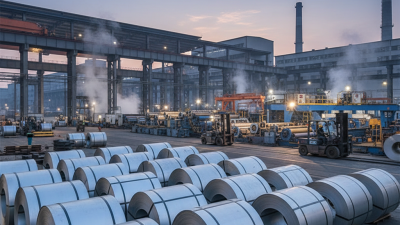
Efficient logistics is critical in sourcing cold rolled carbon steel coils. In a market where demand is steadily increasing, managing the supply chain effectively can significantly impact cost and delivery time. According to industry data, logistics inefficiencies can contribute to up to 30% higher operational costs. This highlights the need for a streamlined approach.
Transport delays often arise from poor coordination between suppliers and transporters. The 2023 Logistics Management Report indicates that 45% of shipments experience delays due to lack of real-time tracking. Implementing technology solutions, such as GPS tracking and inventory management systems, can substantially reduce these delays. Enhancing communication between all stakeholders is essential for a smoother logistics process.
Moreover, understanding regional regulations and trade tariffs is crucial. They influence shipping routes and costs, which can affect delivery performance. Industry experts suggest frequent reviews and updates of logistics strategies to adapt to changing market conditions. Addressing these logistics challenges ensures more reliable delivery of cold rolled carbon steel coils, ultimately improving customer satisfaction and retention.