10 Best Carbon Steel Coil Options for Your Next Project?
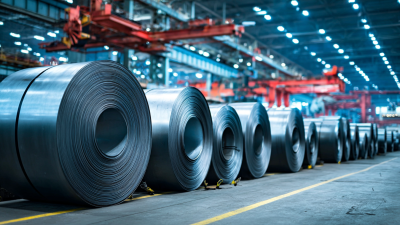
In the manufacturing sector, Carbon Steel Coil has become an essential material due to its strength and versatility. According to a recent report by the World Steel Association, the demand for carbon steel products is projected to rise by 2.3% annually through 2025. This statistic highlights the growing reliance on carbon steel in construction, automotive, and appliance industries.
Carbon Steel Coil offers several advantages, including cost-effectiveness and excellent machinability. However, choosing the right coil for specific projects requires careful consideration. Factors such as thickness, width, and finish play significant roles in determining performance. While many suppliers offer a myriad of options, not all are created equal. It's vital to assess the quality and reputation of manufacturers. Some options may lack the reliability required for heavy-duty applications, leading to potential project delays or failures.
In exploring the ten best Carbon Steel Coil options, one must reflect on their individual needs. Not all projects benefit from the same materials, and it’s important to avoid complacency in selection. Investing time in research can yield significant long-term benefits, ensuring that your project stands the test of time.
Top Characteristics of Carbon Steel Coils for Engineering Applications
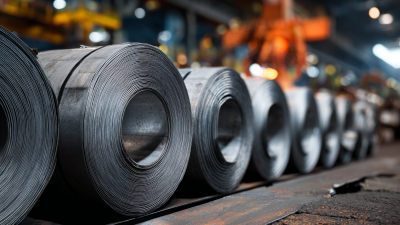
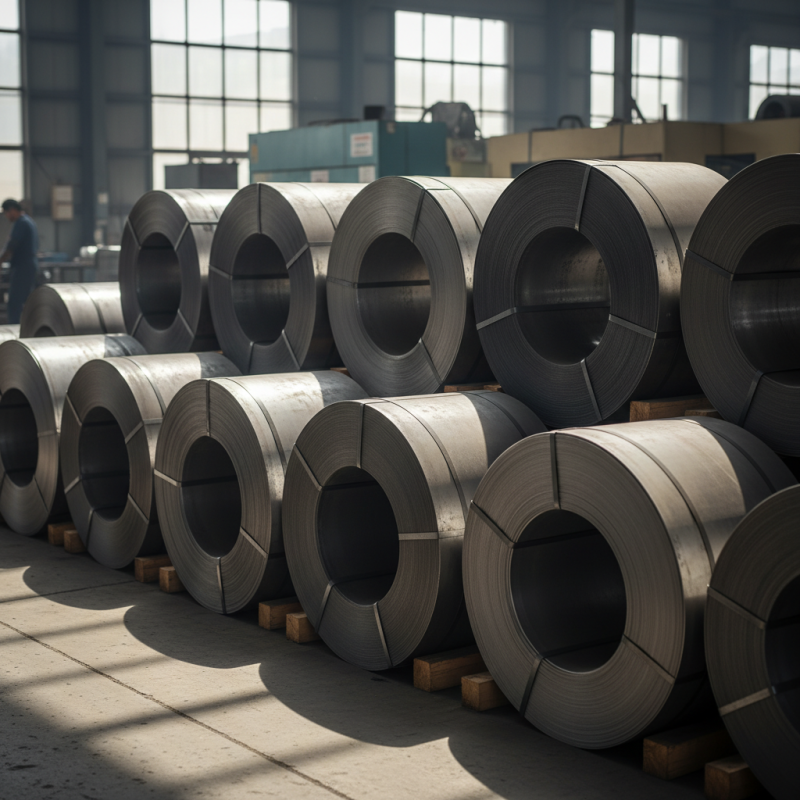
Carbon steel coils are essential in various engineering applications. Their unique properties make them suitable for diverse projects. One key characteristic is strength. High tensile strength allows carbon steel coils to withstand heavy loads. This feature is crucial for structural components. Engineers value materials that combine durability and flexibility.
Another important aspect is corrosion resistance. While carbon steel can rust, proper treatment enhances its lifespan. Applying protective coatings can mitigate this issue. This requires attention during the manufacturing process. It’s essential to select the right coil based on environmental conditions. Engineers must consider these factors when choosing materials.
Lastly, cost-effectiveness plays a significant role. Carbon steel coils generally offer lower prices compared to other materials. However, cheaper options may compromise quality. It's vital to evaluate potential trade-offs. Engineers often reflect on balancing cost and performance. This decision impacts the project's long-term success. Understanding these characteristics can guide better material choices in engineering projects.
Key Industry Standards for Carbon Steel Coil Manufacturing and Usage
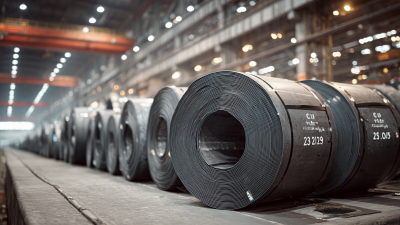
When considering carbon steel coils for manufacturing, it’s important to understand key industry standards. These guidelines help ensure the material’s quality and performance in various applications. The American Society for Testing and Materials (ASTM) provides specifications that address the mechanical properties and chemical composition of carbon steels. Adhering to these standards can help avoid potential failures in your project.
Another important consideration is the International Organization for Standardization (ISO). It sets guidelines for the manufacturing processes. Compliance with ISO standards can enhance efficiency in production. Though many manufacturers strive for perfect conformity, occasional lapses can occur. It’s crucial to conduct thorough audits to verify compliance. This can prevent the use of subpar materials in critical applications.
Moreover, understanding the specific grades of carbon steel is vital. Each grade has unique properties that suit different projects. For instance, grades like A36 and S235 are widely used in construction due to their strength. However, not all projects require heavy-duty materials. Assessing the project’s needs is essential to avoid over-engineering. This practice can lead to unnecessary costs and resource wastage.
10 Best Carbon Steel Coil Options for Your Next Project
| Coil Grade |
Thickness (mm) |
Width (mm) |
Strength (MPa) |
Elongation (%) |
Finish Type |
| SPCC |
1.0 |
1000 |
270 |
34 |
Cold Rolled |
| S235JR |
2.5 |
1250 |
360 |
26 |
Hot Rolled |
| S355J2 |
3.0 |
1500 |
450 |
22 |
Natural |
| DX51D |
0.5 |
1200 |
210 |
36 |
Galvanized |
| A36 |
6.0 |
2000 |
400 |
20 |
Hot Rolled |
| A572 |
8.0 |
1500 |
450 |
18 |
Cold Rolled |
| CQ |
4.0 |
1000 |
350 |
28 |
Natural |
| HRS |
2.0 |
1200 |
305 |
35 |
Hot Rolled |
| CS Type A |
1.5 |
750 |
320 |
30 |
Pickled |
| CS Type B |
1.2 |
600 |
290 |
32 |
Galvanized |
Comparison of Various Carbon Content Levels in Steel Coil Performance
When considering carbon steel coils, understanding the impact of carbon content is crucial. Different levels of carbon significantly influence performance, strength, and flexibility.
Low-carbon steel coils are softer and easier to work with. They are ideal for projects requiring high formability. However, they offer less tensile strength.
On the contrary, high-carbon steel coils are harder and stronger. They are better for applications needing durability and wear resistance. Yet, this rigidity can pose fabrication challenges.
When dealing with high-carbon materials, always consider the limitations of cutting and bending.
Tips: Evaluate your project needs carefully. Consider the balance between strength and workability. It’s also essential to conduct tests on material samples. This can save time and resources in the long run. Always choose a carbon steel coil that aligns with your project requirements. Ignoring these factors may lead to unexpected difficulties. Pay attention to how different carbon levels affect your designs.
Evaluating the Longevity and Durability of Carbon Steel Coils
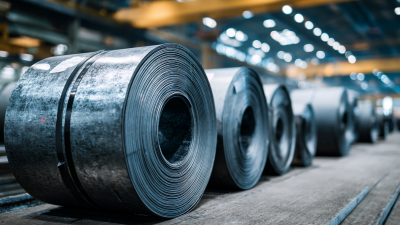
Carbon steel coils are recognized for their strength and versatility. However, evaluating their longevity and durability is crucial for any project. Studies indicate that properly treated carbon steel can last significantly longer, with reports showing a lifespan of over 50 years in suitable environments. This durability stems from its resistance to wear and high tensile strength, making it a popular choice for construction and manufacturing.
Moreover, corrosion can be a major threat to these materials. Environmental factors, such as humidity and exposure to chemicals, can accelerate deterioration. Data from industry analyses suggest that using protective coatings can extend the life of carbon steel coils by up to 30%. This highlights the importance of understanding the operating conditions when selecting carbon steel for applications.
It's necessary to reflect on some limitations, too. Not all carbon steel coils perform equally under stress. Variability in alloy composition can lead to inconsistent results. Therefore, quality control in production is essential, yet often overlooked in practice. Educating project managers about these factors can improve decision-making and enhance project sustainability.
Durability Comparison of Top Carbon Steel Coils