Choosing the right Carbon Steel Pipe begins with understanding the system, not simply comparing prices. Pipe carries pressure, heat, fluids, and sometimes serious consequences when specifications are misunderstood. A pipe that looks strong in a warehouse may fail under repeated pressure, corrosion, or sudden temperature changes. That difference matters.
Start with the service conditions. Identify the fluid, operating pressure, temperature, flow rate, and installation environment. A water line near the coast may need different protection than a dry indoor process line. Confirm the required outside diameter, wall thickness, length, and connection type. Seamless and welded pipes can both perform well, but their suitability depends on design requirements and manufacturing quality.
Check recognized standards, such as ASTM, ASME, EN, or API specifications, when they apply. Do not rely on a supplier’s general statement that the pipe is “industrial grade.” Request material certificates, dimensional reports, test results, and traceability records. Verify the steel grade and chemical composition against the project documents. Small differences in carbon content can affect weldability and strength.
A qualified engineer should review critical applications.
Cost still matters, but it should not control every decision. Thinner walls may reduce the invoice while increasing long-term risk. Consider corrosion allowance, inspection access, coating needs, and expected service life. Sometimes, the best choice is not the cheapest pipe or the thickest pipe. It is the one supported by clear calculations, verified documentation, and realistic operating conditions. Assumptions can fail. Careful review remains essential.
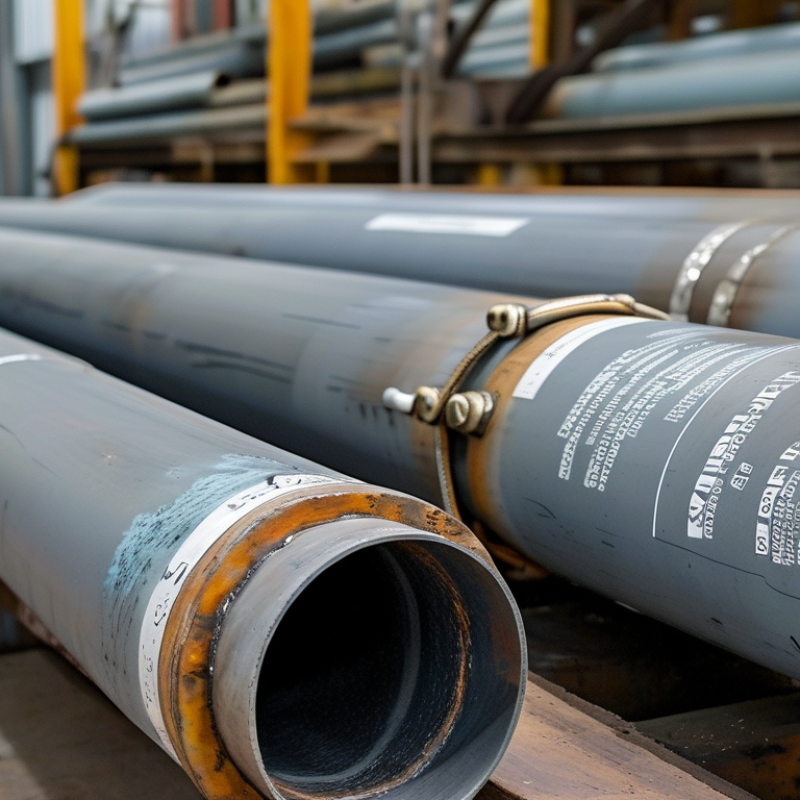
Carbon content is the first screening point when defining carbon steel pipe grades. In ASTM A106/A106M-23, Grade B allows carbon up to 0.30% and requires a minimum yield strength of 35 ksi. Higher carbon can increase hardness, but it may reduce weldability and raise cracking risk. This trade-off matters on a busy construction site.
Yield strength shows how much stress a pipe can withstand before permanent deformation. API Specification 5L, 46th edition, lists L245 with a minimum yield strength of 245 MPa and L360 with 360 MPa. The stronger grade may support higher pressure or thinner walls. It is not automatically the better choice.
A pipe carrying hot water may need different controls than one carrying sour gas. Review temperature, pressure, weld procedure, corrosion allowance, and impact requirements. ASTM A53/A53M-22 Grade B also specifies 35 ksi minimum yield strength and 0.30% maximum carbon, but product form and testing still matter. Carbon content alone cannot define performance. API 5L also controls chemical limits, tensile properties, and manufacturing requirements by product specification level. Do not select a grade from a catalog table only. I have seen projects focus on yield strength while overlooking weldability and low-temperature toughness. That shortcut can become expensive.
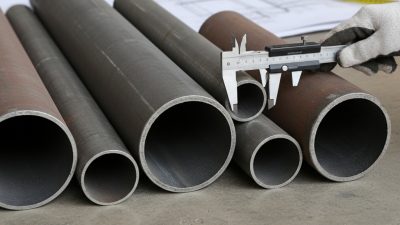
Choosing carbon steel pipe starts with service conditions, not a familiar grade. Record pressure, temperature, fluid, flow, corrosion allowance, and joining method. Small details matter. A steam line at 400°C needs a different review than a chilled-water header. In field inspections, mismatched specifications often appear at fittings and welds, not on the pipe body. Confirm the governing design code and required test records before ordering.
ASTM A106 is commonly selected for seamless pipe carrying fluids at elevated temperatures and pressures. Its requirements support demanding process service. However, A106 does not define every design decision. Wall thickness, heat treatment, welding procedures, and inspection still require engineering review. ASTM A53 suits many general pressure, mechanical, and water applications. It is more suitable when temperatures and stresses remain moderate. “General purpose” is not a calculated pressure rating.
API 5L is designed for line pipe used in pipeline transportation. Choose it when transport duty, toughness, weldability, and traceability are important. Specify the product specification level, grade, pipe type, and testing requirements. PSL2 adds tighter controls, but it is not automatically necessary for every project. No standard is perfect. A higher grade can still fail the selection if sour service, low-temperature impact, or field welding constraints are ignored. Review mill certificates, nondestructive examination, hydrostatic testing, and dimensional reports against the project specification. Then ask a qualified engineer to challenge the choice.
Pipe schedule should follow design pressure, temperature, diameter, and corrosion allowance. ASME B31.3 Process Piping calculates required wall thickness through pressure design, material strength, weld quality, and temperature-based allowable stress. Higher temperatures usually reduce allowable stress, so a pipe suitable at 20°C may need thicker walls at 300°C. Do not choose Schedule 80 merely because it appears safer.
For a practical comparison, ASME B36.10M lists a 6-inch carbon steel pipe at 0.280 inches wall thickness for Schedule 40 and 0.432 inches for Schedule 80. The correct choice still depends on the calculated requirement. Add the specified corrosion allowance after checking pressure thickness, not before. ASME B31.3 also requires consideration of mill tolerance and mechanical loads, including thermal expansion and weight. API 5L material data can support grade selection, but its strength values do not replace the piping design calculation.
A common mistake is treating schedule as a pressure rating. It is not. I have seen preliminary selections fail when insulation, external loads, or future corrosion were ignored. Recalculate unusual services, especially cyclic systems. The final wall thickness should be verified against the governing code, project specifications, operating history, and inspection data.
Choosing the right carbon steel pipe starts with diameter, not guesswork. ASME B36.10 provides outside diameters and wall thicknesses for welded and seamless steel pipe. Its schedule numbers describe wall thickness, but they do not directly state flow capacity. That distinction matters during design.
For a practical calculation, obtain the nominal pipe size and schedule from the dimensional table. Subtract twice the wall thickness from the outside diameter to estimate the internal diameter. A larger inside diameter usually carries more fluid at lower velocity and reduced friction loss. However, flow also depends on fluid density, viscosity, temperature, pressure, and the pipeline length. Do not size from diameter alone. A quiet water line and a compressed-gas line may need very different selections.
Check the calculated velocity against the project specification and equipment limits. Then review pressure drop through elbows, valves, reducers, and strainers. These details often change the result. I have seen a pipe appear adequate on a straight-run calculation, yet fail the operating target after fittings were included. ASME B36.10 data also requires careful unit conversion. Millimetres, inches, and nominal sizes can create small errors with large consequences. Verify the selected wall thickness against pressure design, corrosion allowance, welding requirements, and the applicable code edition. Tables are reliable, but assumptions are not always.
How to Choose the Right Carbon Steel Pipe?
Corrosion allowance should match the service environment, not a convenient standard value. Review fluid chemistry, temperature, pressure, flow rate, and expected operating years. A pipe carrying wet gas may need more allowance than one carrying dry air. Check the thinnest wall after manufacturing tolerances. Small assumptions can create large maintenance problems.
Weldability depends on chemistry, thickness, and the planned welding procedure. Check carbon equivalent before purchasing, especially for heavy-wall pipe. Higher carbon content can increase hardening and cracking risks. Confirm preheating, interpass temperature, and post-weld treatment requirements. Ask for the heat analysis, not only the product description. Good paperwork cannot repair poor weld preparation.
Testing should reflect the pipe’s actual duty. Review dimensional checks, tensile results, bend tests, hydrostatic testing, and nondestructive examination requirements. Inspectors should compare test results with the project specification and applicable standard. Do not accept a certificate with missing heat numbers. Mill certifications must trace each pipe to its melt, size, grade, and test records. One recurring inspection lesson is simple: paperwork often looks complete until traceability is tested. A stamped certificate is not automatically reliable. Verify signatures, values, revisions, and consistency across documents. Ask questions early, while replacement remains practical.