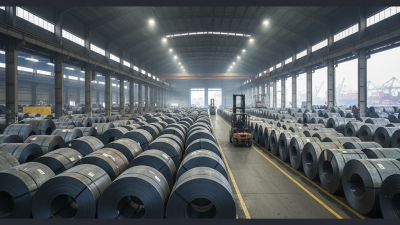
China Top 10 Cold Rolled Carbon Steel Coil Suppliers?
Choosing among China’s top ten cold rolled carbon steel coil suppliers requires more than comparing export prices. Buyers must examine chemistry, rolling accuracy, surface quality, and delivery evidence. The keyword Carbon Steel Coil Cold Roll describes a material shaped by controlled reduction, careful annealing, and strict inspection. These steps affect formability, strength, paint adhesion, and dimensional stability.
Metallurgist Dr. Harry Bhadeshia states, “Steel is an alloy of iron and carbon.” His simple observation reminds buyers that small chemistry changes can influence real production results. A reliable supplier should provide mill test certificates, grade documentation, thickness tolerances, coil weight, and inspection records. It should also explain whether the material meets standards such as ASTM, EN, JIS, or GB.
Look closely at the details.
A good comparison should include SPCC, DC01, and drawing-quality grades where relevant. It should assess surface finish, oiling condition, edge type, packaging, and minimum order quantity. Warehouse photos can reveal rust protection, coil separators, and lifting practices. Factory audits, sample testing, and customer references add stronger evidence than polished websites.
Price still matters. However, the cheapest offer may hide inconsistent hardness, unstable lead times, or weak after-sales support. That concern is not theoretical. A slightly uneven coil can create wrinkling during stamping and expensive production pauses. Supplier rankings can also become outdated quickly. One weakness remains: public data rarely shows every return, claim, or delayed shipment. Therefore, this guide treats “top” as a practical comparison, not an absolute verdict. It focuses on measurable capability, transparent communication, and suitability for each buyer’s application.
What Is Cold Rolled Carbon Steel Coil?
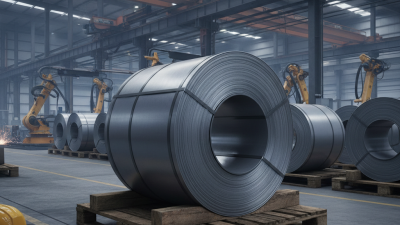
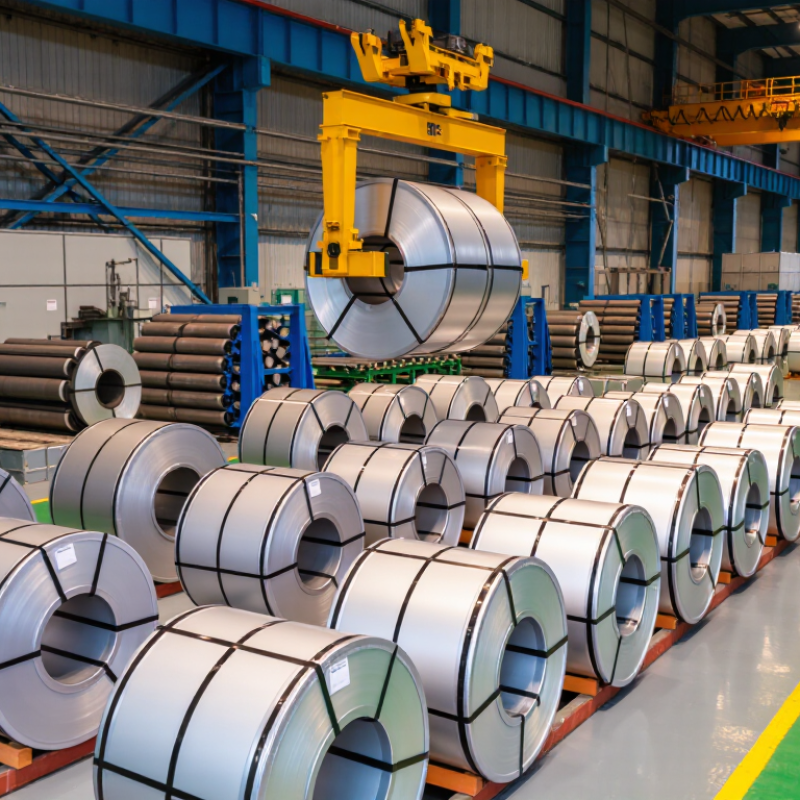
Cold rolled carbon steel coil is steel strip wound into a compact roll after being reduced in thickness at room temperature. The process starts with hot rolled steel, which is pickled to remove surface scale. It is then passed through rollers under controlled pressure. The result is a thinner, smoother sheet with more consistent dimensions. It feels firm and even to the touch.
Cold rolling can improve surface finish and dimensional accuracy, but it also work-hardens the steel. This may make it less formable than its hot rolled starting material. Annealing can restore some ductility, depending on the grade and processing route. Buyers should check thickness tolerance, coil width, surface condition, and mechanical properties against the intended use. Small differences matter. A coil for appliance panels may need a cleaner surface than one used for hidden components. Still, specifications alone do not tell the whole story; handling and storage can affect the material too. Coils should be kept dry and protected from damage, since rust or edge dents can complicate later processing.
China’s Top 10 Cold Rolled Carbon Steel Coil Suppliers
China’s top 10 cold rolled carbon steel coil suppliers are judged by more than production volume. Reliable suppliers provide stable chemistry, controlled thickness, and complete mill-test documentation. Buyers should compare coil width, grade, temper, surface finish, and oiling requirements. Small details matter. A bright sample may still develop scratches after slitting or transport. Experienced suppliers explain these risks before quoting.
A strong top-ten shortlist should include factories with traceable raw materials, calibrated gauges, and practical export experience. Ask for recent inspection records, packing photographs, and sample certificates. Check whether the supplier can control edge quality, coil weight, and loading protection. Direct communication with technical staff is valuable when specifications change. However, no supplier is perfect. Some impressive websites reveal weak after-sales support, while smaller producers may offer better process attention. This is easy to overlook.
Tips: Request a trial coil before placing a large order. Confirm tolerance values in writing, not through casual messages. Inspect the inner diameter, surface marks, and packaging condition on arrival. Keep photographs and test results for comparison. Delivery promises can also be optimistic, so allow a practical time margin. A careful review may take longer, but it often prevents costly rework.
Key Products, Standards, and Manufacturing Capabilities
China’s top cold rolled carbon steel coil suppliers should be judged by products, standards, and process control—not shipment volume alone. The World Steel Association reported that China produced about 1.019 billion tonnes of crude steel in 2023. This large capacity supports broad coil availability, but capacity does not guarantee stable gauge accuracy or surface quality.
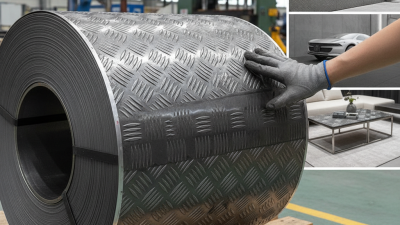
Key products usually include commercial-quality, drawing-quality, and deep-drawing coils. Common specifications reference ASTM A1008/A1008M, EN 10130, JIS G 3141, and ISO 3575. Buyers should verify yield strength, tensile strength, elongation, coil weight, and dimensional tolerances. Surface finish matters too. A clean, lightly oiled surface reduces rust risk during inland transport. It does not replace proper storage.
Manufacturing capability is visible in the process route. Reliable suppliers typically use pickling, tandem cold rolling, continuous annealing, and skin-pass leveling. Advanced lines can control thickness within tight tolerances and reduce coil shape defects. Some facilities also provide slitting, cut-to-length service, and customized inner diameters. Inspection should include mill certificates, heat numbers, surface checks, and third-party testing when required. In my experience, packaging is often underestimated. Strong edge protection and sealed wrapping prevent damage at the warehouse. A perfect supplier ranking is unrealistic. Delivery consistency, traceability, and after-sales handling can change the result.
How to Choose the Right Chinese Steel Coil Supplier
Choosing among China’s cold rolled carbon steel coil suppliers starts with product clarity. Define grade, thickness, width, coil weight, surface finish, oiling, and edge condition. A supplier may quote “commercial quality” without matching your forming process. That phrase is too vague. Ask for the exact standard, such as GB/T, ASTM, or EN, and confirm its revision. Request a sample mill test certificate before comparing prices. Check yield strength, tensile strength, elongation, and chemical composition.
Experience shows that paperwork alone cannot prove stable production. Ask for coil traceability from heat number to packing list. Review photos of slit edges, coil bands, rust protection, and loading conditions. A remote factory audit can reveal storage problems, but it is not equal to an independent inspection. Use pre-shipment testing for critical orders. A reputable supplier should accept clear inspection criteria, realistic tolerances, and a written claim process. Confirm whether the quoted price includes leveling, slitting, export packing, certificates, and inland transport. Hidden charges distort the comparison.
Communication is another quality signal. Technical questions should receive measured answers, not only a low price. Confirm production capacity, normal lead time, minimum order quantity, and replacement procedures. Check whether the supplier can maintain consistent chemistry and dimensions across repeated coils. Do not choose from a ranking alone. A top-ten list can open the search, but your application decides the fit. I would still test a small shipment first. It costs more time, sometimes. That caution may prevent a larger failure. Keep every specification in the purchase contract, including packaging photos and acceptance limits.