How to Source Quality Carbon Steel Coil Roll for Your Business?
When exploring the procurement of Carbon Steel Coil Roll, quality is paramount. As industry expert John Smith of Steel Innovations states, "Choosing the right coil means securing the future of your projects." This emphasizes the critical nature of sourcing reliable materials in today’s market.
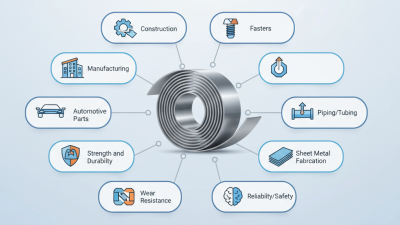
Carbon Steel Coil Rolls are essential for various applications, from construction to automotive. Understanding the specific requirements for your business is vital. Are you focusing on thickness, width, or surface finish? Each detail can impact the end product significantly.
Moreover, finding the right supplier is a challenge. Quality assurance is often overlooked in the rush to cut costs. But remember, compromised quality can lead to long-term issues. Take the time to evaluate potential partners. Set clear standards and expectations. The right Carbon Steel Coil Roll can elevate your projects, while the wrong choice may lead to regret.
Understanding Carbon Steel Coil Roll and Its Applications
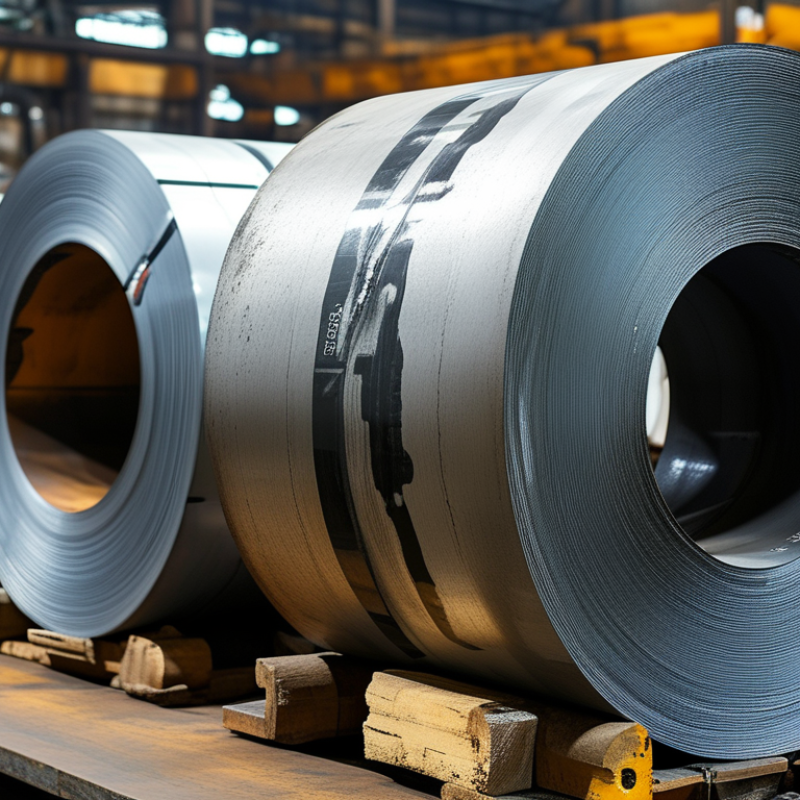
Carbon steel coil rolls are versatile materials used across various industries. They consist primarily of iron and carbon, which provide strength and durability. This combination makes carbon steel ideal for manufacturing components, construction, and automotive applications. Its malleability allows for easy shaping and forming, which is essential in production processes.
Understanding the different grades of carbon steel is critical. Higher carbon content results in stronger materials, but it also makes them less ductile. Businesses should consider their specific applications when selecting a coil roll. For example, lower carbon steel is suitable for forming processes, while higher grades excel in applications requiring significant strength.
Not all suppliers offer the same quality. It’s vital to evaluate the sourcing process to ensure reliable materials. Subpar steel can lead to project failures or safety issues. Regular inspections during sourcing can help maintain quality standards. Engaging with experienced suppliers can make a difference, though it may involve higher costs. Quality materials versus budget constraints often require careful consideration.
Identifying Key Specifications for Quality Carbon Steel Coil Roll
When sourcing quality carbon steel coil rolls, understanding key specifications is crucial. One of the first considerations is the steel grade. Different applications require varying compositions. Knowing the grade helps determine the strength, ductility, and weldability. For instance, low carbon steel is malleable, while high carbon steel offers superior strength but may lack formability.
Thickness and width are other vital specifications. Depending on your application, the right thickness ensures durability and performance. Standard thickness ranges from 0.2 mm to several millimeters. Width also varies; some industries require wide coils for less waste. Always check the tolerances to ensure precision.
Surface finish is equally important. A smooth finish can enhance corrosion resistance and improve aesthetics. However, imperfections can lead to issues during further processing. Stainless steel offers another layer of complexity, with different grades suited for various environments. Sourcing requires balancing these characteristics.
Continually reassess how these specifications align with your operational needs. Reflect on previous purchases—what worked well and what didn’t? This evaluation can refine your sourcing process.
Evaluating Suppliers and Manufacturers for Carbon Steel Coil Roll
When sourcing carbon steel coil rolls,
evaluating suppliers and manufacturers is critical.
A recent industry report indicated that 72% of companies prioritize
quality over price. This emphasizes the need for thorough supplier assessment.
An ideal supplier should have a robust quality management system in place,
supported by ISO certifications.
Experience plays a vital role in supplier reliability. A manufacturer with over
a decade of expertise tends to have better quality controls. However, new entrants
can also offer competitive products if they invest in advanced technologies. Checking references from previous clients
can provide insight into a supplier's track record.
Moreover, it's essential to analyze the logistical capabilities of these suppliers.
Timely delivery is crucial for maintaining production schedules. A supplier's average
lead time should align with your business requirements. Additionally, request samples
before making bulk purchases. This helps ensure that the product meets your specific
standards. Choosing the right supplier can reduce costs in the long run. Yet, it often
requires careful evaluation and decision-making.
Assessing Cost Factors and Budgeting for Purchase Decisions
When sourcing carbon steel coil rolls, understanding cost factors is essential for effective budgeting. The global average price for cold rolled steel has varied significantly. In recent years, prices have ranged between $700 to $1,200 per ton, influenced by market demand and international supply. This fluctuation makes it crucial to compare manufacturers and their price structures, as some may offer lower costs due to higher production efficiencies.
Additional expenses could arise from shipping and delay contingencies. Transportation costs alone can range from $50 to $100 per ton, depending on distance and logistics. Companies should also account for potential price hikes during peak demand seasons. A report from the World Steel Association indicates that production rates can affect supplier pricing, urging buyers to maintain flexibility in their sourcing strategy. Understanding these trends can help businesses avoid unforeseen costs.
An often-overlooked cost is quality assurance. Investing in comprehensive pre-purchase inspections might seem expensive initially, with third-party evaluation costs potentially reaching $1,000. However, ensuring material quality can prevent costly defects in the production process. Ultimately, while balancing budgetary constraints is necessary, overlooking these elements might lead to greater financial burdens down the line.
Ensuring Quality Control and Compliance Standards When Sourcing
Quality control is critical when sourcing carbon steel coil rolls. It ensures that the materials meet industry specifications and customer requirements. Begin by assessing suppliers' credentials. Look for certifications that indicate adherence to recognized standards. This can include ISO certifications or industry-specific compliance documents. Perform due diligence on their production processes.
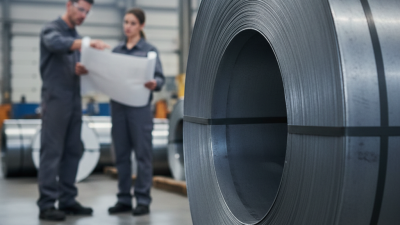
Visiting the supplier's facility can provide valuable insights. Observe their equipment and production flow. This firsthand experience can reveal potential red flags. Always request certifications for the steel. This demonstrates the material’s composition and properties. Testing samples before a bulk order is also wise.
Establish a quality assurance plan that includes regular audits. Continuous evaluation helps maintain compliance over time. Engage with experts to analyze data and trends in the steel industry. This will refine your sourcing strategy. Remember, sourcing isn't just about price. It's also about the quality and reliability of the materials. Balancing these factors can improve overall satisfaction in your business.
Quality Control in Carbon Steel Coil Sourcing