2026 How to Source Mild Carbon Steel Coil for Global Buyers?
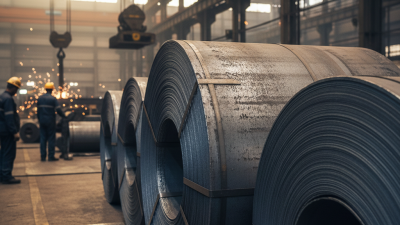
Sourcing Mild Carbon Steel Coil can be challenging for global buyers. This material is crucial across various industries, including construction and manufacturing. Understanding the key factors in sourcing this product is essential.
Buyers should consider the specifications, such as thickness and width. Quality is another critical aspect. Working with reputable suppliers ensures reliability. Researching suppliers' backgrounds and certifications helps mitigate risks.
Additionally, navigating international shipping and customs can be daunting. Communication with suppliers can reveal potential issues. Buyers often overlook these details, leading to delays or quality problems. Reflecting on past experiences can improve future sourcing strategies. Building strong relationships with trusted suppliers fosters success in obtaining Mild Carbon Steel Coil.
Understanding Mild Carbon Steel Coil: Properties and Applications
Mild carbon steel coil is a versatile product with excellent mechanical properties. This steel type typically contains 0.05% to 0.25% carbon. Its low carbon content gives it good weldability and formability. The American Society for Testing and Materials (ASTM) highlights mild steel’s favorable characteristics for various applications.
Mild carbon steel is often used in construction, automotive, and appliance manufacturing. According to recent industry reports, the demand for mild steel in construction has surged. Architects value its strength-to-weight ratio and ease of fabrication. In automotive industries, manufacturers rely on mild steel for body panels, ensuring safety and reducing weight in vehicle designs.
Despite its numerous advantages, buyers must consider potential limitations. Mild carbon steel is susceptible to corrosion and may require protective coatings. Additionally, the availability of specific grades can vary based on regional markets. Sourcing this material requires careful evaluation of suppliers to ensure reliability. Engaging with experienced vendors can mitigate risks related to quality and consistency.
Identifying Reliable Suppliers of Mild Carbon Steel Coil
When sourcing mild carbon steel coil, reliability is key. The industry is flooded with options, but not all suppliers meet the required standards. Start by investigating suppliers through their online presence. Websites should provide detailed information about their products and company history. Check for certifications and customer reviews. Positive feedback is a good sign, but be wary of overly polished testimonials.
Consider reaching out directly to potential suppliers. Ask questions about their sourcing practices and production methods. Genuine suppliers will be transparent about their processes. This communication can reveal much about their reliability. Also, pay attention to their responsiveness. A supplier who answers promptly indicates strong customer service. However, watch out for those who avoid specifics or take too long to respond.
Be prepared for some challenges. Not every supplier will align with your needs. There may be instances where quality falls short, or delivery times are longer than promised. Reflecting on these experiences can guide your future sourcing strategies. This process may seem tedious, but thorough research leads to better supplier relationships. Building trust requires effort, but it pays off in the long run.
Evaluating Quality Standards for Mild Carbon Steel Coil Sourcing
When sourcing mild carbon steel coils, quality standards are paramount. Buyers must understand the key specifications that impact performance. Mild carbon steel is known for its ductility and strength, which makes it essential in various applications. It is vital to examine the chemical composition. High-quality steel typically contains less than 0.25% carbon, contributing to its formability.
Next, buyers should consider the yield strength and tensile strength. These strength metrics directly affect how the steel performs under load. Beyond that, surface quality cannot be overlooked. Coils should be free from defects like scratches and rust. Imperfections can lead to failures in end applications, making rigorous inspections necessary.
While evaluating suppliers, checking certifications is crucial. Look for compliance with industry standards like ASTM or ISO. However, not every supplier meets these regulations consistently. It’s important to ask for documentation and references. Communication with potential suppliers can reveal much about their reliability and commitment to quality. Keeping an open dialogue may expose weaknesses that require further attention.
Logistics and Shipping Considerations for Global Sourcing
When sourcing mild carbon steel coils globally, logistics play a crucial role. Shipping costs can escalate quickly, so establishing strong relationships with freight forwarders can be beneficial. A reliable partner ensures timely delivery and minimizes delays. Choosing the right shipping method depends on your budget and timeline.
Tips: Assess your freight forwarder's experience in handling steel shipments. Their knowledge of regional customs can save time and unexpected fees.
Consider packaging requirements for steel coils. Proper packaging protects them during transit and reduces damage risks. Ensure that your suppliers follow industry standards for packaging to facilitate smooth shipping.
Be aware of potential challenges in logistics. Unexpected delays can occur due to customs inspections or port congestion. It's essential to plan for these uncertainties in your timeline. Regular communication with your logistics team can provide updates and help navigate any issues as they arise.
Cost Analysis and Budgeting for Mild Carbon Steel Coil Purchases
When budgeting for mild carbon steel coil purchases, it's essential to understand the cost implications. Mild carbon steel's price can vary based on quality, thickness, and demand. Buyers should consider these factors seriously. It’s also vital to assess transportation costs and lead times, which can impact the overall budget.
Conducting a thorough market analysis can help identify competitive pricing. Requesting quotes from multiple suppliers is advisable. This not only aids in comparing prices but also highlights the fluctuations in the market. Buyers often overlook hidden costs like tariffs or taxes. Understanding these elements earlier can prevent future financial strain.
Reflecting on feedback from previous purchases can lead to smarter decisions. Buyers sometimes prioritize short-term savings over long-term reliability, which can backfire. Ensuring consistent quality while staying within budget is a fine balance. Making informed choices about material specifications can lead to better overall performance and satisfaction.
Mild Carbon Steel Coil Cost Analysis for 2026
This chart displays a cost analysis of mild carbon steel coils sourced globally, including key regions and their respective average pricing in USD per ton for 2026.