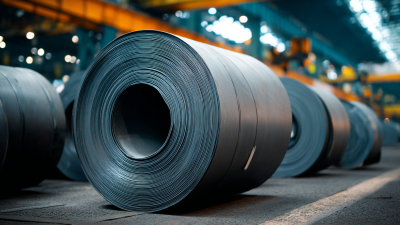
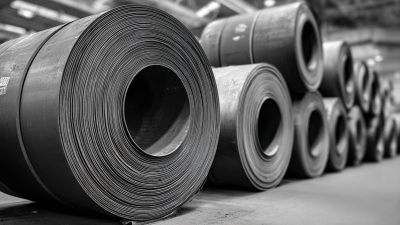
How to Identify Hot Rolled Low Carbon Steel Coil Products?
In the world of manufacturing, understanding materials is crucial. Hot Rolled Low Carbon Steel Coil plays a vital role in various industries. John Smith, a renowned expert in steel production, emphasizes, “Identifying quality in Hot Rolled Low Carbon Steel Coil is essential for successful projects.” His insights reflect the importance of knowing what to look for.
These coils are known for their flexibility and weldability. They are widely used in construction and automotive applications. However, not all products on the market meet high standards. It can be tricky to differentiate quality from subpar options. Signs of a good coil include consistent thickness and surface finish. Any imperfections might indicate deeper problems.
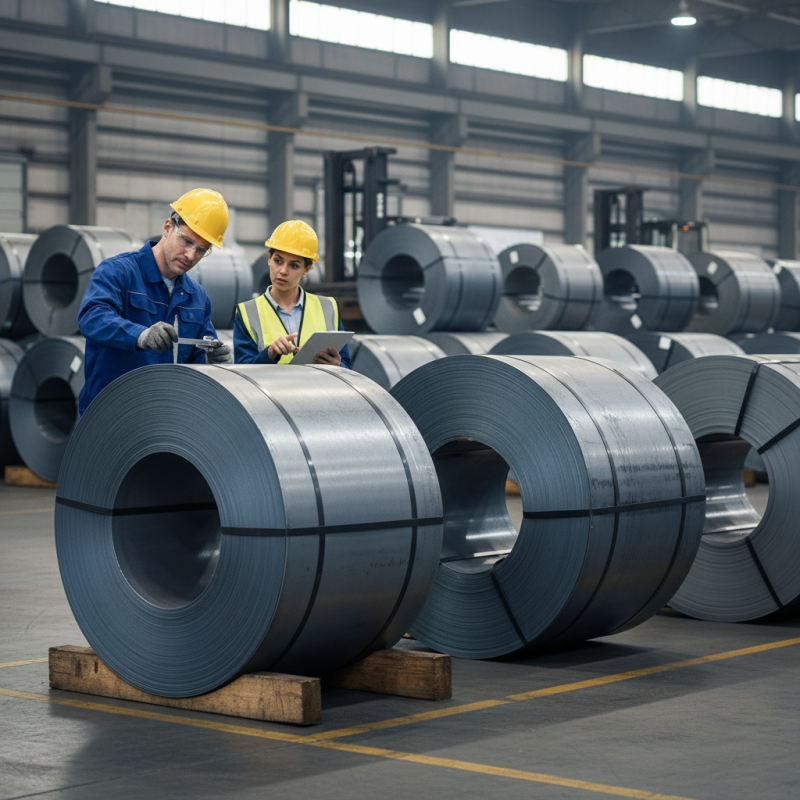
Attention to detail is necessary. Buyers should inspect for chemical composition and physical properties. A reliable supplier will provide test results. This ensures that the material meets specifications. Ultimately, recognizing quality in Hot Rolled Low Carbon Steel Coil involves both knowledge and experience. It's a critical step for anyone in the field.
Understanding Hot Rolled Low Carbon Steel: An Overview
Hot rolled low carbon steel is widely used in various industries. Its production involves heating steel above its recrystallization temperature. This process results in a material that is easier to shape and form. According to industry reports, this method accounts for approximately 70% of the total steel output in many regions.
The properties of hot rolled low carbon steel make it suitable for many applications. Its relatively low carbon content, typically around 0.05% to 0.25%, enhances ductility and malleability. These properties are crucial for manufacturing parts like automotive frames and construction beams. However, the surface finish may not always meet high aesthetic standards, which can be a drawback in certain applications.
Another aspect worth noting is the dimensional tolerance of hot rolled products. They tend to have looser tolerances compared to cold rolled steel, making precise applications challenging. The increased scale and reduced detail may not meet every project’s needs. Yet, for bulk applications, this variation in tolerance can be an acceptable compromise.
Key Characteristics of Hot Rolled Low Carbon Steel Coil Products
Hot Rolled Low Carbon Steel Coil Products are widely used in various industries. They possess key characteristics that make them ideal for many applications. One notable feature is their flexibility. These coils can easily adapt to different shapes and sizes. They can be formed into complex geometries, making them suitable for myriad uses.
Another important aspect is their surface finish. The finish of hot rolled low carbon steel is typically rough and scale-covered. This might be off-putting for some, but it offers better adhesion for coatings and paints. Remember, not every finish is perfect. Some may have blemishes that require further treatment before use.
**Tips:** When selecting these products, examine the thickness and width options. Ensure they meet your project requirements. Consider ordering a small sample first. This helps to identify any issues early on.
Lastly, the weight is crucial. Hot rolled coils can be heavy, depending on the specifications. Be sure to assess your handling capabilities. Sometimes, trying to manipulate heavier products may result in unexpected challenges.
Key Characteristics of Hot Rolled Low Carbon Steel Coil Products
This bar chart illustrates the key characteristics of hot rolled low carbon steel coil products, including thickness, width, weight, tensile strength, and yield strength. These metrics are essential for identifying and selecting suitable products in industrial applications.
Quality Standards and Specifications for Steel Coil Products
When it comes to hot rolled low carbon steel coil products,
quality standards play a crucial role. These standards ensure that the steel coils meet specific properties,
like yield strength and ductility. Understanding these specifications is essential for anyone in the industry.
Low carbon steel usually contains less than 0.3% carbon.
This composition contributes to its malleability and weldability.
Quality is measured against various standards, such as ASTM and EN.
These specifications provide guidelines for mechanical properties. Buyers should consider the dimensions,
coating, and surface condition of the coils. Visual inspection is an important step.
Check for uneven surfaces or rust. Imperfections can affect the final use of the steel.
Tips: Always request a mill test report.
This document verifies compliance with the required specifications. Keep an eye out for variations in thickness.
These minor details can lead to bigger issues downstream. Do not forget to ask about the origin of the material.
Understanding where it comes from can provide insight into its quality and processing.
Applications and Uses of Hot Rolled Low Carbon Steel Coils
Hot rolled low carbon steel coils are versatile materials used in various industries. Their applications range from automotive to construction. In the automotive sector, these coils are ideal for manufacturing components like car frames and panels. The low carbon content provides both strength and ductility. They can also be easily welded, which is essential for assembly.
In construction, hot rolled low carbon steel is used for structural beams and reinforcements. Buildings benefit from the durability and flexibility of these materials. They can withstand significant stress, making them suitable for high-rise projects. The ease of manipulation and forming into various shapes adds to their appeal.
Tip: When selecting hot rolled low carbon steel coils, consider the specific requirements of your project. Are you focusing on strength, flexibility, or cost? Each application may need a different specification.
Hot rolled coils often have surface imperfections, which can be a concern. Always inspect the surface quality. Consider testing samples before full procurement. This step helps to avoid issues during manufacturing or construction.
How to Identify Hot Rolled Low Carbon Steel Coil Products? - Applications and Uses of Hot Rolled Low Carbon Steel Coils
| Dimension (mm) |
Weight per Coil (kg) |
Thickness (mm) |
Applications |
Common Uses |
| 1000 x 2000 |
1000 |
2.5 |
Automotive Parts |
Body Panels |
| 1200 x 2500 |
1500 |
3.0 |
Construction |
Structural Components |
| 1500 x 3000 |
2000 |
4.0 |
Heavy Equipment |
Machinery Parts |
| 600 x 1200 |
500 |
1.5 |
Home Appliances |
Frames and Bases |