2026 How to Buy Carbon Steel Coil Hot Rolled for Your Needs?
When considering the purchase of Carbon Steel Coil Hot Rolled, it is crucial to understand your specific needs. The market offers a variety of options, and selecting the right one can be challenging. This type of steel is favored for its strength and versatility. However, not all products are created equal.
Quality varies significantly among manufacturers, and buyers must conduct thorough research. Look for reliable suppliers with a strong track record. It's essential to ask questions about the production process, steel grades, and any certifications the product holds. Understanding these factors helps ensure you make a wise investment.
Be cautious about price. The cheapest option might not provide the durability you require. It could lead to future expenses due to repairs or replacements. Reflect on what matters most for your projects. Consider both immediate costs and long-term value. Acquiring Carbon Steel Coil Hot Rolled is not just a transaction; it's a decision impacting future operations.
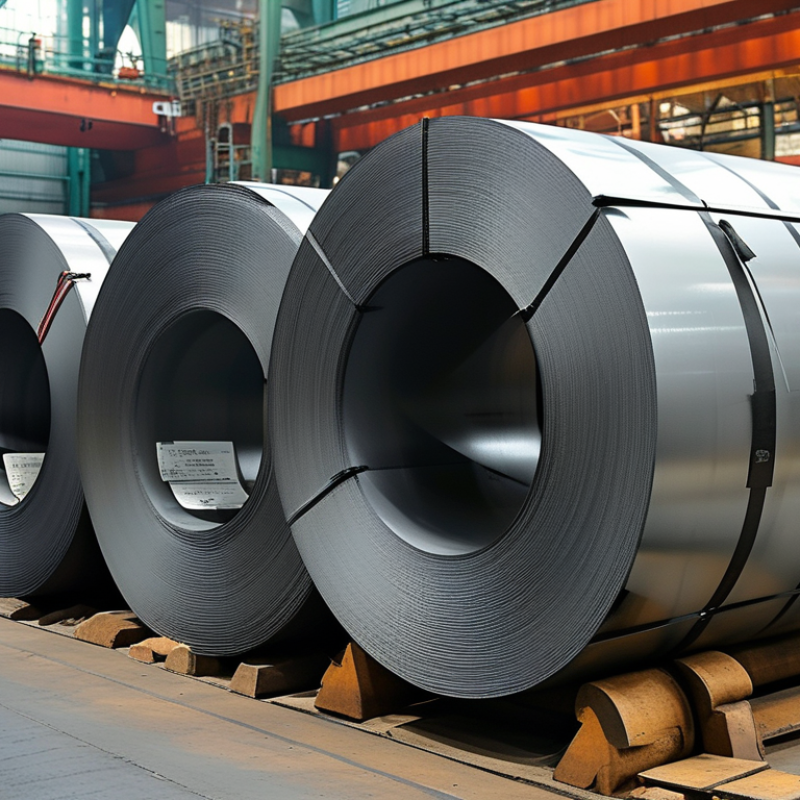
Understanding Carbon Steel Coil Hot Rolled: Key Features to Consider
When delving into carbon steel coil hot rolled, certain key features emerge that are vital for making informed decisions. One significant aspect is the material's mechanical properties. Hot rolled carbon steel typically exhibits improved ductility and formability. According to industry reports, its tensile strength can be around 400 MPa to 700 MPa, depending on the specific grade. This strength allows for extensive applications in construction and manufacturing.
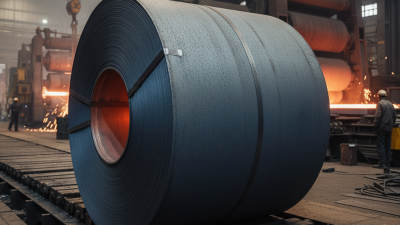
Another feature to consider is surface finish. Hot rolled coils generally have a rougher surface compared to cold rolled counterparts. This roughness can affect paint adhesion. However, many industries find this surface suitable for structural applications. Some manufacturers offer finishes that enhance corrosion resistance, which can be a valuable consideration in harsh environments.
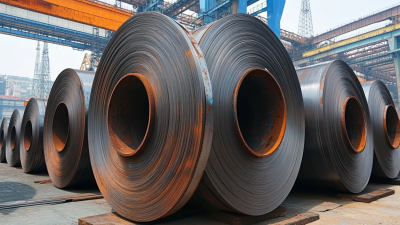
Thickness is also crucial. Hot rolled coils come in various thicknesses, typically ranging from 1.5 mm to 12 mm. A thicker coil may be necessary for specific structural support tasks. Yet, using a thicker coil can lead to increased material costs. Reflection on these choices is essential to achieve both performance and cost-effectiveness in your projects. Understanding these features ensures a better alignment of the material with your specific needs.
2026 How to Buy Carbon Steel Coil Hot Rolled for Your Needs?
| Feature |
Description |
Considerations |
| Thickness |
Varies typically from 1.5 mm to 20 mm. |
Determine the application requirement and strength needed. |
| Width |
Common widths are 1000 mm, 1250 mm, and 1500 mm. |
Ensure compatibility with the machinery used in your processes. |
| Length |
Available in various coil lengths or custom lengths. |
Consider the logistics for transport and storage. |
| Surface Finish |
Options include pickled, oiled, and mill finish. |
Choose based on the resistance to corrosion and aesthetic requirements. |
| Mechanical Properties |
Includes yield strength, tensile strength, and elongation. |
Review specifications to match industry standards. |
| Cost Factors |
Prices vary based on thickness, quality, and quantity ordered. |
Consider bulk purchasing for cost-effectiveness. |
| Standards Compliance |
ASTM, ISO, or other industry standards may apply. |
Ensure suppliers provide certified materials. |
Factors Influencing the Purchase Decision of Carbon Steel Coil Hot Rolled
When purchasing hot rolled carbon steel coils, several factors come into play. Price remains a significant element. Recent industry reports indicate that raw material costs have fluctuated, with steel prices rising by approximately 20% over the past year. This variation directly impacts buyers. They must evaluate their budget carefully before making decisions.
Quality is another essential consideration. Standards for hot rolled steel are defined by specific grades, each suitable for different applications. A manufacturer’s reputation can influence this decision. Companies with a track record of producing high-quality steel often command a premium. Buyers should not only rely on certifications but also seek third-party inspections to ensure the steel meets required specifications.
Supply chain logistics also play a critical role. Delivery times can vary widely depending on the supplier’s location. As of the latest quarter, lead times for hot rolled carbon steel coils have increased by an average of 15%. Any delays can impact project timelines significantly. Therefore, understanding logistics and potential delays is crucial in the buying process.
Identifying Reliable Suppliers for Carbon Steel Coil Hot Rolled
When searching for reliable suppliers of hot-rolled carbon steel coils, industry standards serve as a crucial guide. The global market for steel products is projected to reach approximately 2.1 billion tons by 2026, indicating robust demand. Suppliers that meet ISO certifications often demonstrate adherence to quality controls and sustainability practices.
Identifying a supplier requires evaluating their production methods and materials. Transparency in sourcing is vital. Suppliers who provide detailed origin information foster trust. Additionally, consider suppliers that are part of recognized industry associations. Membership often signifies a commitment to quality and integrity. In a sector where price fluctuations can exceed 30% annually, establishing a stable supplier relationship can mitigate risks.
Recent studies suggest that around 40% of buyers prioritize customer support from suppliers. Effective communication and responsiveness often reflect a supplier's reliability. However, not all suppliers maintain consistent service levels. It's essential to conduct periodic reviews and audits of supplier performance. This can prevent costly disruptions and ensure compliance with your quality standards. In the end, the right partner can be a pivotal element in your supply chain strategy.
Evaluating Cost and Quality of Carbon Steel Coil Hot Rolled Products
Evaluating the cost and quality of hot rolled carbon steel coils is crucial for making informed purchasing decisions. The price can vary significantly based on several factors, including market demand, material composition, and the thickness of the coil. Recent industry reports indicate that hot rolled steel prices have fluctuated by as much as 15% over the past year due to economic shifts. This volatility can impact your budget, making it essential to monitor market trends closely.
Quality assessment involves understanding mechanical properties, such as yield strength and ductility. According to ASTM standards, a typical hot rolled carbon steel coil exhibits a tensile strength of 400 to 550 MPa. However, variations exist based on specific grades. Thickness also plays a role; thicker coils often provide higher strength but can be harder to process. Buyers must ensure that the products meet their specific requirements while remaining cost-effective. Analyzing certifications and checking for quality assurance processes can also enhance reliability in selection.
Finding a balance between cost and quality may reveal challenges. Lower-priced coils can sometimes indicate compromises in quality. Conversely, high-end products may extend your budget without guaranteeing improved performance. Engaging with reputable suppliers and reviewing their certifications can help provide clarity amidst confusion in the decision-making process.
Tips for Storage and Handling of Carbon Steel Coil Hot Rolled
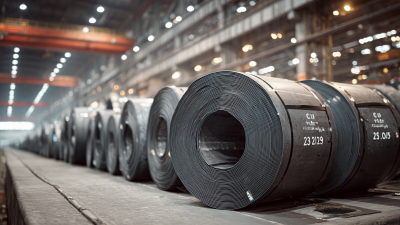
When dealing with hot rolled carbon steel coils, proper storage is
vital for maintaining quality. This material can be susceptible to rust and
corrosion if exposed to moisture. A study by the Steel Manufacturers Association
indicates that steel corrosion can lead to significant financial losses, averaging around
$276 billion annually across the industry. It’s crucial to store
coils in a dry environment to prevent oxidation.
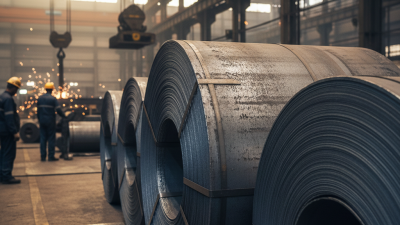
Handling practices also matter. Lifting equipment must be appropriate for the weight of the coils.
A standard carbon steel coil can weigh anywhere from 1,500 to 2,500 pounds,
making it essential to use proper rigging techniques. Improper handling can
cause injuries or damage to the material. According to the Occupational Safety and Health Administration,
workplace accidents related to heavy lifting account for a substantial percentage of injury claims.
Regular inspections are another key part of the process. Look for signs of physical damage or surface
defects. These can compromise the integrity of the coil during manufacturing processes. The American Iron and Steel Institute emphasizes the importance of assessing the material before use to avoid costly production setbacks. Effective management of storage and handling not only enhances safety but can also improve overall operational efficiency.