Inquiry
Form loading...

What Is Cold Rolled Carbon Steel Coil Used For?

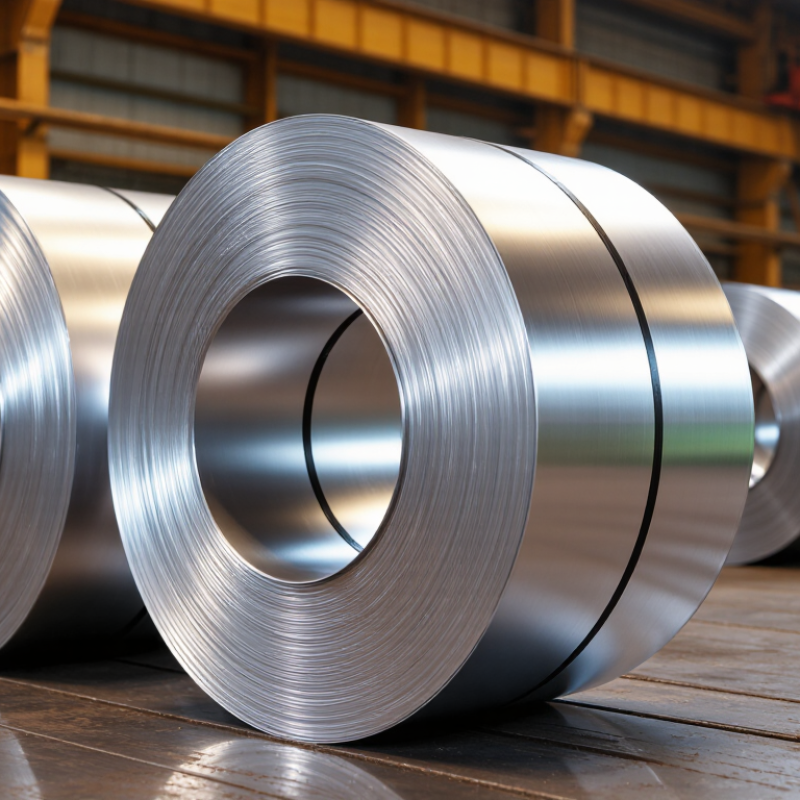
Cold Rolled Carbon Steel Coil is valued for its smooth surface, close thickness tolerances, and dependable formability. These traits make it useful in car body panels, appliance housings, office furniture, metal cabinets, and precision-formed components. The coil arrives ready for cutting and shaping. That can help manufacturers produce clean edges and consistent parts at scale.

The wider steel industry gives useful context, though not a direct measure of cold-rolled demand. World Steel Association’s World Steel in Figures 2024 reports global crude steel production of 1,892.2 million metric tons in 2023. This figure covers all crude steel, not cold-rolled coil alone. That distinction matters. Cold rolling reduces steel thickness at room temperature and improves surface quality and dimensional control; the process can also increase strength through work hardening, while reducing formability. Buyers therefore match grade, thickness, finish, and coating to the part’s actual job.

A shiny coil is not automatically the right coil. Deep-drawn parts may need greater ductility, while exposed panels often demand a more uniform finish. Even small differences can affect stamping, painting, and fit. The following guide looks at where cold-rolled carbon steel is used, what its properties offer, and which limitations deserve attention before specifying it. Real production conditions vary, so supplier data and component testing remain important.
What Is Cold Rolled Carbon Steel Coil Used For?

What Cold-Rolled Carbon Steel Coil Is: ASTM A1008/A1008M Scope

Cold-rolled carbon steel coil is sheet steel supplied in a continuous wound strip. ASTM A1008/A1008M covers cold-rolled steel sheet in coils and cut lengths. Its scope includes carbon, structural, high-strength low-alloy, solution-hardened, and bake-hardenable steel. The specification identifies material categories and requirements; it does not prescribe one universal grade for every job.

That distinction matters. A coil for a formed appliance panel may need different strength and formability than steel for a bracket. The standard provides grade designations and requirements such as chemical composition and mechanical properties. Buyers should match the designation to the part’s forming needs, thickness, and strength requirements. Check the applicable edition and purchase documents, too. Details can change.

The standard is a useful starting point, not a complete design decision. It cannot tell you whether a particular coil will form cleanly in your tooling. Nor does a grade name alone describe every surface or dimensional need. Ask for the required tolerances and finish, then confirm them against the order and inspection records. Easy to overlook. The coil’s width, thickness, and condition can affect feeding and forming on the production line. Verify before processing.
DC01 Grade Data: EN 10130 Specifies 270–410 MPa Tensile Strength

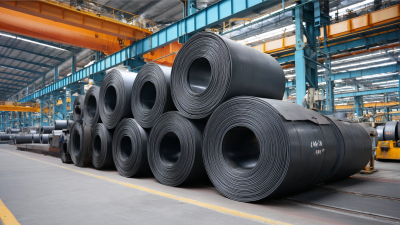
DC01 is a low-carbon steel grade intended for cold forming, used in appliance panels, furniture parts, cabinets, and simple covers. Its defining tensile-strength range is 270–410 MPa, as specified in EN 10130:2006+A1:2009. This range describes the grade; it does not guarantee identical behavior from every coil. Not a guarantee. In practice, thickness, surface condition, and forming direction can affect how a sheet behaves under a press.

World Steel Association’s World Steel in Figures 2024 reports 1,892.2 million tonnes of crude steel production in 2023. That figure describes the wider steel industry, not DC01 output. For buyers, the useful check is the coil’s inspection certificate: confirm the measured tensile strength and dimensions against the order and standard. A value near 270 MPa may feel quite different in forming from one near 410 MPa. Real production varies. DC01 can suit shallow or moderate forming, but demanding shapes may need a more formable grade. A specification sheet looks neat; a press line is less forgiving.

Automotive Panels and Appliance Housings: Uses Enabled by Formability

Cold rolled carbon steel coil is widely used for automotive panels because it can be stamped into broad, shallow shapes with smooth surfaces. Doors, hoods, and fenders need accurate edges and consistent thickness; small variations can complicate assembly or show through paint. OICA’s 2023 production statistics recorded about 93.5 million motor vehicles worldwide, illustrating the scale at which reliable sheet forming matters. World Steel Association sector data also attributes roughly 12% of global steel use to automotive applications. Those figures describe demand, not a guarantee that every grade suits every panel.

Appliance housings use the same formability in a different way. A refrigerator side panel or washer cabinet may need crisp bends, neat corners, and openings for handles or controls. Cold rolled coil supports those details and provides a uniform surface for finishing. WorldAutoSteel’s Advanced High-Strength Steel Application Guidelines explain how steel grades behave during forming; in practice, grade, thickness, tooling, and lubrication all affect the result. A press can still leave springback or wrinkles if the setup is poorly matched. That is the less tidy part: choosing a more formable grade may ease shaping, but the final design and production checks still matter.

Electrical Enclosures, Furniture, and Drums: Applications of Formed Sheet

Cold rolled carbon steel coil suits electrical enclosures because its smooth surface and consistent thickness support clean bends, punched openings, and close-fitting doors. A fabricator can form a box, add louvers, then spot-weld mounting rails without a rough mill-scale finish. Small details matter. Burrs around cable openings still need proper deburring, and uncoated steel can corrode in damp service. World Steel Association’s World Steel in Figures 2024 places electrical equipment at about 3% of global steel use and mechanical equipment at 16%. These figures describe steel overall, not cold rolled coil alone, but they show the scale of equipment-related demand.

Furniture makers use formed sheet for drawer bodies, cabinet sides, shelving, and desk pedestals. The material takes crisp edges and can be joined into stiff panels, though thin sections may dent if a design lacks folds or reinforcement. Drums are another application: formed sheet is rolled into a cylinder, joined at the seam, and fitted with ends. Thickness and coating must match the stored material and handling conditions; a generic specification is not enough. The U.S. EPA’s 2018 Advancing Sustainable Materials Management report recorded a 73.4% recycling rate for steel cans. That is not a drum-specific figure, but it offers a packaging-sector benchmark. Reuse and recovery rates for drums depend on their construction, condition, and local collection systems.

Typical Cold-Rolled Carbon Steel Coil Thickness by Application

Approximate thickness ranges commonly used for formed products. Actual specifications vary by design, steel grade, and manufacturing requirements.

Cold-rolled sheet is used where a smooth surface and consistent thickness support forming and finishing. Enclosures and furniture can span wider thickness ranges, while drum bodies commonly use thinner sheet.

Choosing Coil by Thickness, Grade, Surface Finish, and Corrosion Protection

Cold rolled carbon steel coil is chosen by matching its thickness, grade, surface, and protection to the finished part. Thickness affects stiffness, weight, and forming force. A thin sheet can suit a drawn enclosure, while a thicker coil may better resist bending in a bracket. Check the tooling limits, too. A suitable grade needs enough strength and ductility for the forming operation; grade names and properties vary by standard, so verify the supplier’s test certificate rather than relying on a label alone.

Surface finish matters when parts will be painted, plated, or left visible. Smooth, clean coil can support consistent coating, but oil, scratches, and handling marks may still cause defects. For dry indoor use, an uncoated finish may be acceptable if storage stays controlled. Humid rooms, outdoor exposure, and contact with water call for a corrosion plan, such as a compatible metallic coating, paint system, or protective oil. None makes carbon steel invulnerable. Keep edges and cut areas in mind, where protection can be weaker. In practice, the neat specification can miss a real issue: a finish that looks right on arrival may not survive forming or transport. Test a sample under actual production conditions.

What Is Cold Rolled Carbon Steel Coil Used For? - Choosing Coil by Thickness, Grade, Surface Finish, and Corrosion Protection

Typical Use Common Thickness Guide Grade Selection Surface Finish Corrosion Protection Selection Considerations
Appliance panels and interior components About 0.4–1.2 mm Forming-quality grades such as ASTM A1008 CS Type B or DS Type B, as specified by the buyer Bright or dull finish; oiled or dry, depending on forming and finishing needs Apply paint or powder coating after fabrication where exposure requires it Choose for surface appearance, forming complexity, dimensional consistency, and the final coating process.
Cabinetry, shelving, and office furniture About 0.6–1.5 mm Commercial or drawing-quality steel; select a drawing-quality grade for more demanding bends or stampings Matte or dull finish is often suitable for parts that will be painted Powder coating or paint is commonly used; protect cut edges and joints as well as flat surfaces Balance stiffness and weight with the bend radius, part geometry, and required appearance.
Automotive interior and other non-exposed stamped parts About 0.6–2.0 mm Drawing-quality or extra-deep-drawing-quality material may be used when complex forming is required; automotive specifications may differ Use a finish compatible with forming, welding, and any subsequent coating Use the vehicle or component specification for coating requirements; uncoated cold rolled steel is not inherently corrosion resistant Confirm formability, mechanical properties, weldability, and applicable part-specific requirements with the material specification.
Electrical enclosures and control cabinets About 0.8–2.0 mm Commercial-quality or drawing-quality grades, depending on the depth and complexity of forming Flat, matte, or dull finish is commonly selected for painted products Paint or powder coating is typical for indoor service; select a suitable coating system for the environment Consider enclosure rigidity, punched features, welds, and the coating coverage of edges and openings.
Small brackets, clips, and formed hardware About 0.5–2.5 mm Commercial or drawing-quality grades; verify strength and forming requirements for the part Oiled material can help limit storage rust and reduce handling friction before processing Use a specified paint, plating, or other finishing process if the part will face moisture or corrosive exposure Check bend severity, springback, hole locations, and whether the part needs additional strength or surface protection.
Precision-formed housings and covers About 0.5–1.5 mm Drawing-quality grades are often considered for parts with multiple bends or formed details Choose a consistent surface suitable for visible parts or the intended post-treatment Protect with a compatible coating or finishing system; select it according to the service environment Specify thickness tolerance, flatness, surface condition, and forming requirements with the supplier.

Note: Thickness ranges are typical selection guides, not guaranteed limits or universal design requirements. Grade names and requirements vary by standard and application. Cold rolled carbon steel coil is not stainless steel; bare material can rust, and temporary mill oil is not a durable corrosion-protection system. Confirm the governing material specification, tolerances, and finishing requirements before ordering.