How to Choose the Best Seamless Carbon Steel Pipe for Your Needs?
Choosing the right Seamless Carbon Steel Pipe is crucial for various industrial applications. The global demand for these pipes is on the rise. According to a report by Research and Markets, the seamless pipe market will reach $62.2 billion by 2026. This growth highlights the importance of quality and specifications in your selection.
Industry expert Dr. James Li states, "The right seamless carbon steel pipe can significantly enhance the strength and durability of your projects." Companies must consider factors such as material grade, diameter, and pressure rating. Even minor mistakes in selection can lead to serious issues down the line.
Consider the specifics of your project. Will the pipe withstand high temperatures or corrosive environments? Reflect on these questions. The right choice is not just about price; it involves careful consideration of your needs and potential challenges. Always remember, compromise on quality can lead to significant setbacks.
Understanding Seamless Carbon Steel Pipes: Key Characteristics
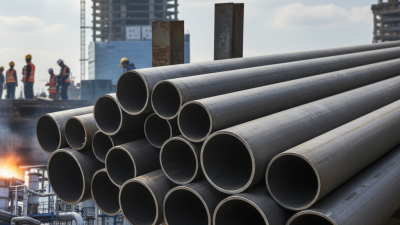
Seamless carbon steel pipes are known for their high strength and durability. These pipes are manufactured without seams or welds, making them less prone to failure. According to industry reports, seamless pipes account for nearly 75% of the carbon steel pipe market due to their superior performance in high-pressure environments. One key characteristic is the smooth inner surface, which enhances fluid flow and minimizes corrosion.
When choosing a seamless carbon steel pipe, consider the application. The pipe's pressure rating and material grade are crucial. These factors ensure the pipe can withstand specific conditions. For example, pipes rated for high temperatures or corrosive environments need special consideration. Remember, not all seamless pipes serve every purpose.
**Tips:** Always evaluate the thickness and diameter. Thicker pipes may handle more pressure but are heavier. Also, check the standards set by organizations like ASTM to ensure quality. Lastly, don’t overlook the potential need for testing. Certain applications may require non-destructive testing to verify the pipe's integrity. Choosing the right seamless carbon steel pipe is not just about strength; it's about understanding your unique requirements.
Evaluating Pipe Specifications: Size, Thickness, and Standards
Choosing the right seamless carbon steel pipe involves careful consideration of specific criteria. Key specifications include size, thickness, and adherence to relevant standards. These factors significantly affect performance and durability in various applications.
Size is crucial. It determines the flow capacity and compatibility with existing systems. Standard diameters help ensure easy integration. However, choosing the wrong size can lead to leaks or pressure issues. Evaluating wall thickness is just as important. Thicker pipes withstand higher pressures but can add weight. A balance must be struck based on the operational environment and purpose.
Standards guide the selection process. They ensure quality and reliability. Familiarizing oneself with ANSI, ASTM, or API standards can be beneficial. Yet, over-reliance on standards may lead to overlooking specific project requirements. Custom adjustments may sometimes be necessary to achieve optimal performance. Each choice should be reflective of the unique demands of your project.
Comparison of Seamless Carbon Steel Pipe Specifications
This bar chart represents the key specifications to consider when choosing seamless carbon steel pipes, highlighting the importance of pipe diameter, wall thickness, and compliance with industry standards.
Identifying Usage Applications: Where Seamless Carbon Steel Pipes Excel
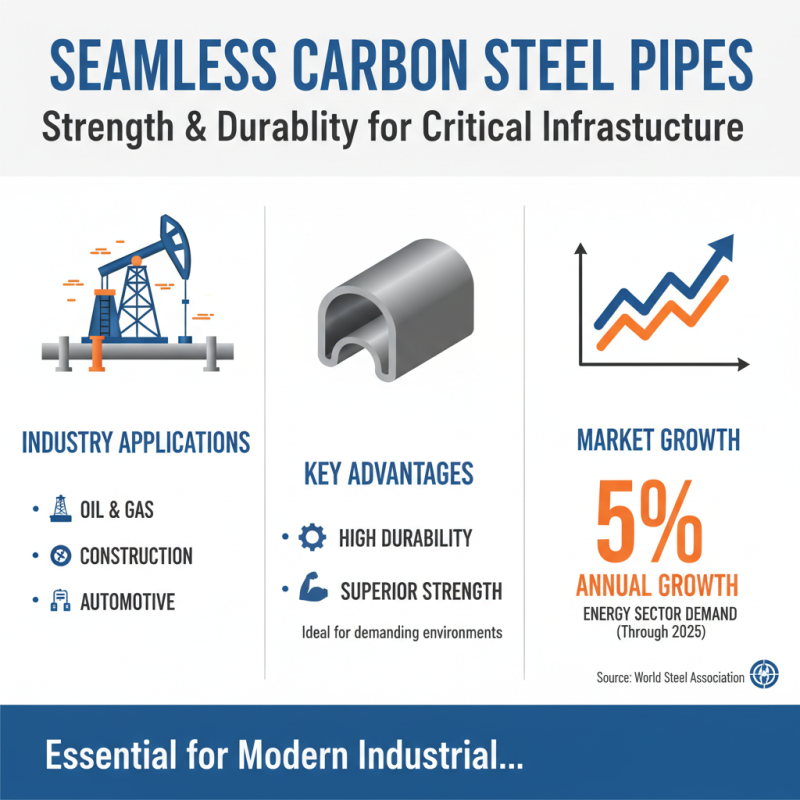
Seamless carbon steel pipes are widely used in various industries. They excel in applications that demand high durability and strength. Common sectors include oil and gas, construction, and automotive manufacturing. According to the World Steel Association, demand for seamless pipes in the energy sector is projected to grow by 5% annually through 2025. This shows significant reliance on these materials for critical infrastructures.
In oil and gas applications, seamless carbon steel pipes offer excellent resistance to high pressures and temperatures. They are crucial for transporting fluids safely in extreme environments. Industry reports emphasize that over 65% of energy companies prefer seamless pipes for deep-water drilling projects. Despite their advantages, it's important to consider corrosion resistance. In some cases, manufacturers may not provide adequate treatment, leading to potential failures.
Construction projects also benefit from seamless carbon steel pipes. They provide structural support and are often used in high-rise buildings. However, selecting the wrong type or size can lead to inefficiencies. Research indicates that around 30% of construction failures stem from inadequate material specifications. Understanding these applications will help you make informed decisions when choosing seamless carbon steel pipes for your needs.
Assessing Quality Factors: What Makes a Pipe Reliable and Durable
When selecting seamless carbon steel pipes, assessing quality is crucial. A reliable pipe needs to withstand high pressure and extreme temperatures. Look for precise dimensions, as accuracy ensures better fit and performance. Thickness matters too. A thicker wall can enhance durability but may also add weight. Always consider the specific requirements of your project.
Material composition plays a significant role in the pipe's longevity. High carbon content can improve strength but may reduce ductility. Assess the manufacturing process as well. Pipes produced through advanced techniques often provide superior resistance to corrosion. However, manufacturing inconsistencies can lead to weaknesses, so inspect certificates and quality standards carefully.
Lastly, don’t overlook the importance of proper testing. Pipes should undergo tests like ultrasonic inspections to identify hidden flaws. This step is often neglected. Investing time in this area can save future costs and headaches. Remember, a slightly imperfect choice today can lead to serious issues later. Reflect on your options and choose wisely.
How to Choose the Best Seamless Carbon Steel Pipe for Your Needs? - Assessing Quality Factors: What Makes a Pipe Reliable and Durable
| Quality Factor |
Description |
Importance |
| Material Grade |
Defines the chemical composition and mechanical properties of the pipe. |
Critical for determining strength and application suitability. |
| Wall Thickness |
Thicker walls provide better pressure resistance and durability. |
Essential for high-pressure applications. |
| Surface Finish |
Smooth surfaces prevent corrosion and increase flow efficiency. |
Affects lifespan and maintenance costs. |
| Standard Compliance |
Compliance with industry standards (e.g., ASTM, API) ensures quality. |
Guarantees reliability and safety in usage. |
| Testing and Inspection |
Includes non-destructive testing to check for defects. |
Critical for ensuring consistent quality and performance. |
| Application Compatibility |
Should be suitable for the intended environment and fluid types. |
Prevents failures and enhances system efficiency. |
Cost Considerations: Balancing Budget with Quality for Optimal Choices
When selecting seamless carbon steel pipes, cost considerations are pivotal. You must balance your budget with the quality of materials. High-quality pipes may seem expensive, but they are often more durable. Assess the long-term costs of maintenance against initial purchase prices. Sometimes, cheaper options lead to higher expenses later on.
Consider these tips: Evaluate the required specifications. Determine if you need thicker walls to handle pressure. Think about the environment where the pipes will be used. Factors like temperature and exposure to chemicals matter. A wrong choice here can be costly.
Remember that not all suppliers offer the same quality. Research and read reviews when possible. Don't rush into decisions based on price alone. Sometimes a small increase in cost yields significant benefits in performance. You may find unexpected issues down the line if you cut corners now.