How to Choose the Right Steel Plate Carbon Steel Coil for Your Needs?
Choosing the right Steel Plate Carbon Steel Coil is crucial for various industrial applications. Industry reports show that global demand for carbon steel coils is projected to grow by 4.3% annually until 2025. This growth indicates a rising need for quality materials in construction and manufacturing. Notably, expert Dr. Thomas Liu emphasizes, “Selecting the appropriate steel coil can significantly impact the durability and cost-efficiency of projects.”
Understanding the specific properties of Steel Plate Carbon Steel Coil is essential. Factors like thickness, tensile strength, and coating can affect performance. For instance, thicker plates offer greater strength, suitable for heavy-duty applications. However, choosing the wrong specifications can lead to project failures and increased costs.
Additionally, not all suppliers meet industry standards. Therefore, thorough research is necessary. Buyers may overlook quality control or certifications, reflecting the need for careful consideration. By understanding the requirements and potential pitfalls, you can make informed choices that align with your project's demands.
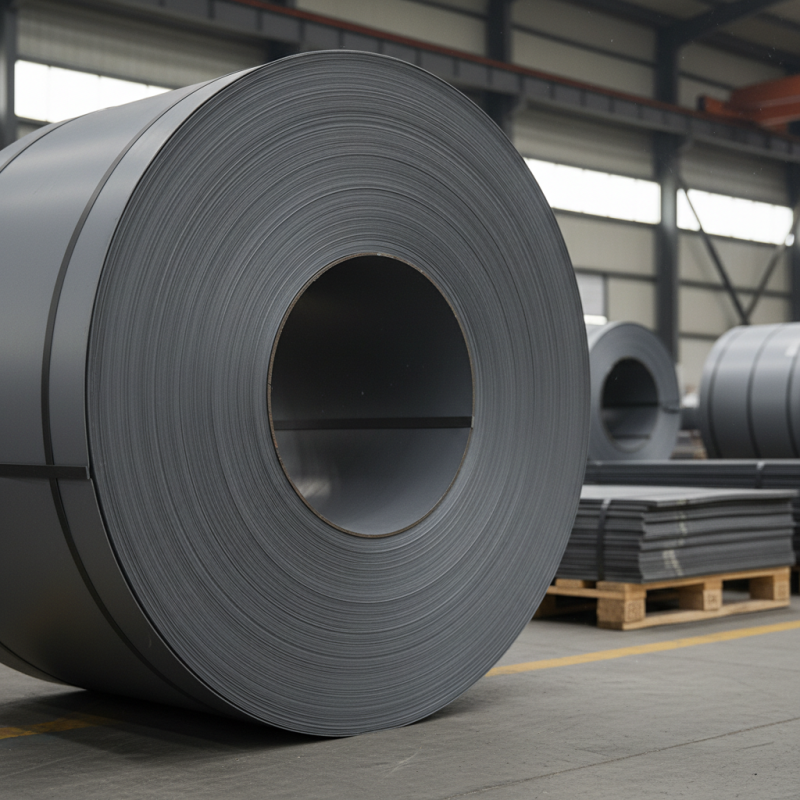
Understanding Carbon Steel Coil: Specifications and Grades Overview
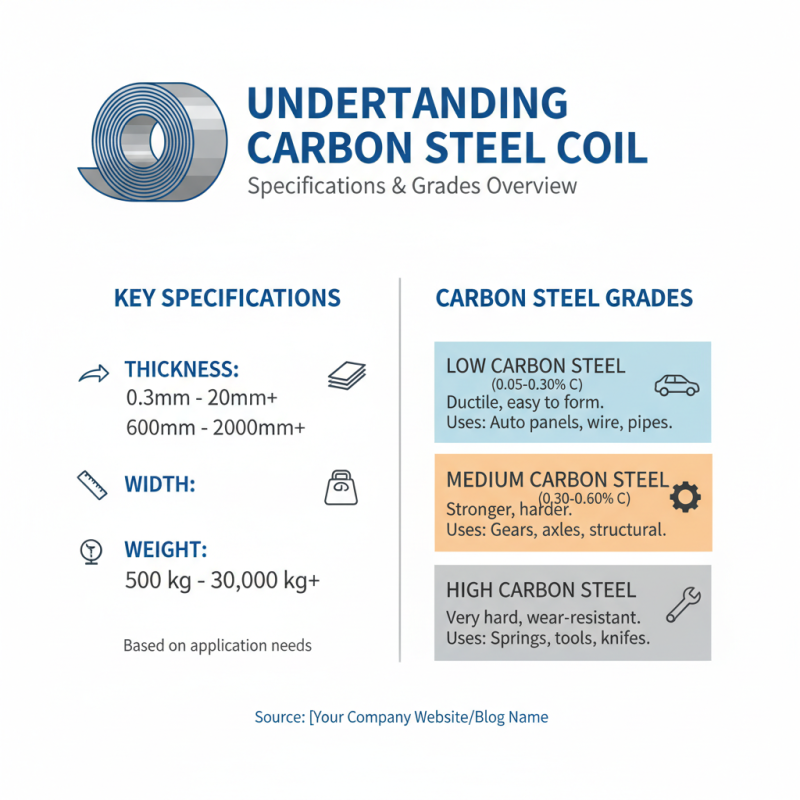
When selecting carbon steel coils, it’s crucial to understand their specifications and grades. Carbon steel is known for its strength and versatility. However, not all carbon steel types are the same. The grades primarily divide into low, medium, and high carbon steel, each offering unique characteristics suited for different applications.
Low carbon steel, often referred to as mild steel, has less than 0.3% carbon. It is easy to weld and form, making it ideal for automotive body components. Medium carbon steel contains 0.3% to 0.6% carbon. This type balances ductility and strength, suitable for machinery parts. High carbon steel, with over 0.6% carbon, is extremely hard and tough but less ductile. It's commonly used for cutting tools and springs.
Carefully reviewing the specific requirements for your project is essential. Think about strength, flexibility, and weldability. Are you more focused on durability or ease of manipulation? The choice should align with your end goals. Always keep in mind that the wrong steel grade can lead to failures in performance. Assess your needs thoroughly to make the most informed decision.
Key Factors Influencing the Selection of Steel Plate Carbon Steel Coils
When selecting a steel plate carbon steel coil, several key factors come into play. One important aspect is the material's grade. Different grades offer varying strength, ductility, and corrosion resistance. Understanding the specifications helps ensure the coil meets your project's demands.
Thickness is another essential consideration. Thicker plates tend to offer more strength but may not be suitable for every application. It’s crucial to assess your operational requirements and balance the need for durability with manageability.
Tips:
- Always check the certification of the steel. This verifies its quality and origin.
- Consider the environment where the steel will be used. Exposure to moisture or chemicals can impact performance.
- Request samples before making a bulk purchase. Testing the material can reveal unexpected issues.
Finally, remember the importance of the
supplier's reputation. Choose companies known for their reliable products. Reading customer reviews can help gauge reliability. This attention to detail will contribute significantly to the success of your project.
Common Applications of Carbon Steel Coils in Various Industries
Carbon steel coils are widely used across various industries due to their versatility and strength. In construction, they provide essential support. Steel beams and reinforcements often rely on these coils for durability. Their ability to withstand heavy loads makes them ideal for structural components.
In manufacturing, carbon steel coils are prevalent. They serve as raw materials for machinery parts, automotive components, and appliances. The coils can be easily shaped and cut for different applications. However, improper handling can lead to defects. Scratches or rust may compromise the quality of the finished product.
The energy sector also benefits from carbon steel coils. They are critical for pipelines and storage tanks. These applications often involve harsh conditions. Quality control is paramount to ensure reliability. Neglecting this can result in costly failures. Overall, carbon steel coils play a significant role across many areas, demonstrating their essential functionality.
Common Applications of Carbon Steel Coils in Various Industries
Evaluating the Cost-Effectiveness of Different Carbon Steel Grades
When evaluating the cost-effectiveness of various carbon steel grades, you must consider several factors. The choice of carbon steel impacts both price and performance. Different grades offer varying levels of strength and ductility. For example, grades like A36 are often chosen for general construction. They balance cost and performance quite well.
However, some applications may require higher strength. In such cases, higher-grade steels could be more beneficial. Yet, these grades are typically pricier. The decision to invest in a higher-grade steel must be justified by the specific requirements of your project. Sometimes, it's tempting to opt for the cheapest option, but this could lead to risks, such as increased maintenance costs in the long run.
Additionally, the sourcing of steel must be taken into account. Local suppliers might offer competitive prices, but the quality could vary. Researching and understanding the properties of each grade will enhance your decision-making. Misjudging these aspects could lead to unsatisfactory results. Balancing immediate costs with long-term benefits is key. The right choice is crucial for both your budget and your project's success.
Guidelines for Sourcing High-Quality Carbon Steel Plate Products
When sourcing carbon steel plate products, it’s essential to focus on quality. High-quality steel plates often exhibit superior durability and performance. Look for thickness consistency and surface finish. Check for certifications that indicate compliance with industry standards. These certifications can provide assurance regarding material properties and manufacturing processes.
Understanding your specific needs is crucial. Different applications require various specifications. Consider tensile strength, hardness, and corrosion resistance. It’s important to match these properties to your project requirements. Engaging with experienced suppliers can aid in making informed decisions. They often have valuable insights into material selection and sourcing strategies.
Take time to review multiple suppliers. Compare their offerings based on quality, lead time, and customer service. Engaging in discussions about your project can reveal both strengths and weaknesses. Not all suppliers are created equal; some may excel in specific areas while lacking in others. Reflections on past purchases can guide future choices. Make sure to document any challenges faced in previous projects to avoid repeating mistakes.
How to Choose the Right Steel Plate Carbon Steel Coil for Your Needs? - Guidelines for Sourcing High-Quality Carbon Steel Plate Products
| Dimension (mm) |
Thickness (mm) |
Weight (kg/m2) |
Grade |
Application |
| 1000 x 2000 |
5 |
39.24 |
S235JR |
Construction |
| 1500 x 3000 |
10 |
78.54 |
S355J2 |
Manufacturing |
| 2000 x 4000 |
15 |
117.72 |
S275JR |
Shipbuilding |
| 1250 x 2500 |
8 |
62.80 |
S355J0 |
Automotive |
| 3000 x 6000 |
20 |
156.78 |
S690QL |
Heavy Equipment |