How to Choose the Right Carbon Steel Pipe for Your Project?
Choosing the right Carbon Steel Pipe for your project is crucial. The right selection affects durability, cost, and overall performance. Carbon Steel Pipes are widely used in various industries due to their strength and adaptability.
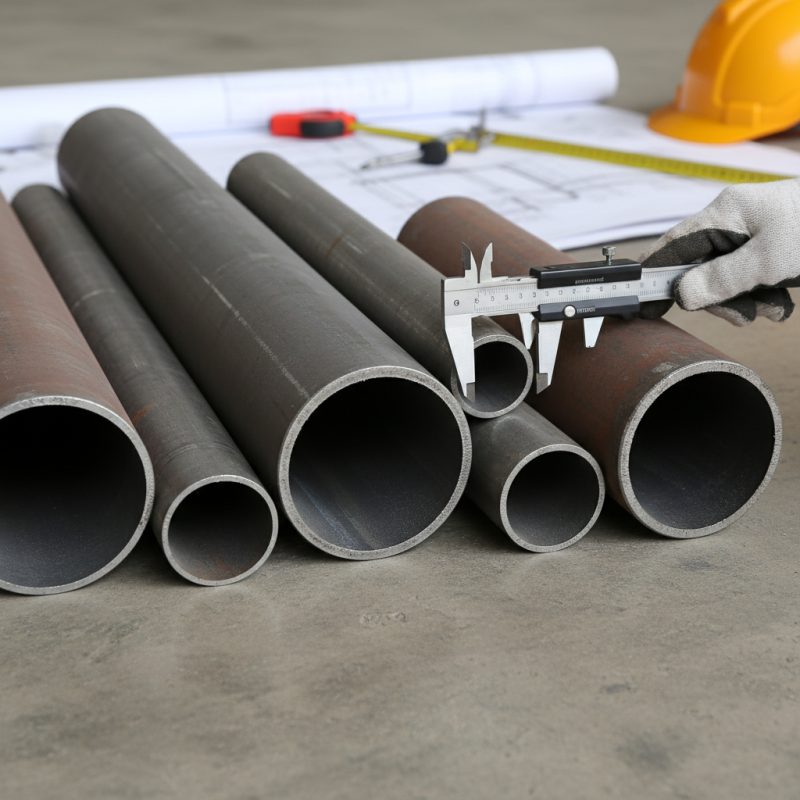
When deciding, consider the pipe’s diameter, wall thickness, and intended use. Different applications demand different specifications. For instance, pipes for high-pressure systems must meet specific standards for safety and reliability.
However, with many options available, it can feel overwhelming. It’s easy to make mistakes if you don’t conduct thorough research. Reflect on your project’s requirements before making a decision. Pay attention to details like corrosion resistance and material grades. These factors will ultimately determine the success of your project.
Understanding Carbon Steel Pipe Types and Specifications
When choosing carbon steel pipes, understanding types and specifications is crucial. Carbon steel pipes come in various grades. Each grade has specific properties. There are three main types: mild steel, medium carbon, and high carbon. Mild steel is easier to weld. It works well for structural applications. Medium carbon provides more strength. It’s used in heavy-duty applications. High carbon is very hard but less ductile. Each type has its strengths and weaknesses.
Specifications also play a vital role. The most common standards are ASTM and ASME. These standards define pipe dimensions, pressure ratings, and material quality. For instance, Schedule ratings determine thickness. A Schedule 40 pipe is thicker than a Schedule 10 pipe. It's essential to match the specification with your project needs. If you overspecify, costs increase. If you underspecify, it risks failure in challenging conditions.
Choosing the right carbon steel pipe requires careful consideration. It might seem straightforward, but many overlook details. Sometimes, a slight mistake can lead to significant issues in a project. Reflect on the specific requirements before making a decision. What environment will the pipe be exposed to? Will it withstand the pressure? These questions are critical in ensuring you select the right product for your needs.
Evaluating Project Requirements for Carbon Steel Pipes
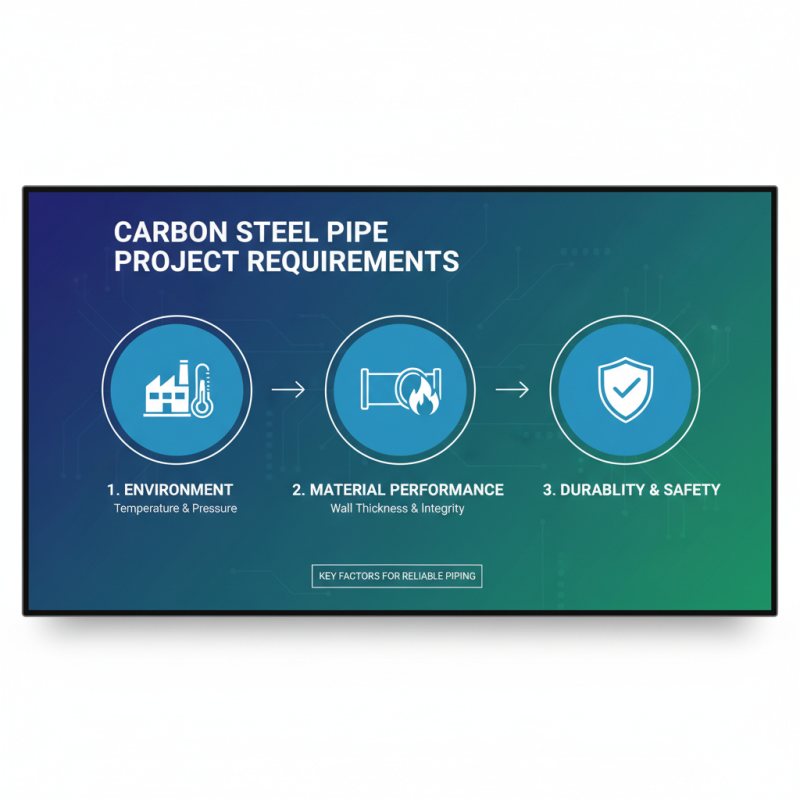
Evaluating project requirements for carbon steel pipes is crucial. Start by identifying the environment where pipes will be used. Consider factors such as temperature and pressure. These elements significantly impact material performance. For example, high heat levels may require thicker walls to maintain integrity.
Next, think about the fluid being transported. Different fluids corrode steel at varying rates. Is it water or a chemical? Basic maintenance can help extend the life of your pipes. It's not always easy to predict how materials will behave over time. Sometimes unexpected issues arise. This uncertainty should factor into your selection process.
Finally, review project specifications in detail. Are there industry standards to meet? If so, failing to comply can lead to delays and extra costs. Sometimes, compromises will be necessary. Navigating these decisions requires careful thought. Balancing cost and quality should be part of your strategy. Each project has unique challenges. Take time to reflect on your specific needs before making a final choice.
Key Factors to Consider When Selecting Carbon Steel Pipes
Choosing the right carbon steel pipe for your project involves several important factors. The application type is critical. Different projects require different specifications. For example, pipes used in oil and gas must withstand high pressures. This might not be the same for construction purposes. Knowing the environment is essential too. Are the pipes used indoors or outdoors? Will they face extreme temperatures?
Another factor is the pipe grade. Carbon steel pipes come in various grades, each reflecting specific mechanical properties. You need to ensure that the chosen grade matches your project's demands. Not all grades are equally robust. Some may rust quickly, while others hold up better under stress. It is worth considering the material's lifespan. Often, lower grades seem appealing due to cost, but they may require frequent replacements. This can lead to higher long-term costs and maintenance issues.
Finally, consider the size and dimensions. The diameter and wall thickness influence the flow and pressure ratings. This decision can impact your project's efficiency. Fitting the right size is not always straightforward. Overestimating or underestimating needs could lead to significant issues. Balancing cost, durability, and functionality is a challenging task. Reflect on these aspects thoroughly, as your choices have lasting effects.
Carbon Steel Pipe Selection Criteria
This chart represents the importance rating of various factors to consider when selecting carbon steel pipes for your projects. A higher rating indicates a more critical factor in the decision-making process.
Comparing Cost vs. Performance in Carbon Steel Pipe Selection
When selecting carbon steel pipes, balancing cost and performance is crucial. Lower-cost options may save money upfront but could lead to higher maintenance costs later. Understanding the specific requirements of your project helps in making informed choices. For instance, consider the operating pressure and temperature of your system.
Tips: Look into the pipe coatings. These can protect against corrosion and extend the life of the pipes. Sometimes spending a little more upfront can pay off in the long run.
Not all carbon steel pipes are created equal. Quality varies significantly across suppliers. It's vital to assess the standards and certifications of the materials. This research may take extra time but it's essential to avoid future issues. Relying solely on cost can be a mistake. Balance your budget with performance needs.
Tips: Evaluate your project's specific applications. Different environments may require different grades of carbon steel. Ask experts if you're unsure. Making the right choice early can save you hassle later.
Best Practices for Sourcing Carbon Steel Pipes for Your Project
When sourcing carbon steel pipes for your project, consider a few key practices. Start by identifying your specific needs. What diameter and wall thickness do you require? Make sure to assess the intended application. Will the pipe be used for water, gas, or structural support? Every situation demands different standards.
Next, research reliable suppliers. Look for manufacturers with a strong reputation for quality. Be cautious; not all suppliers meet the required specifications. Check references and customer feedback before making a decision. Ask questions about their production process and materials. This will give you a clearer picture of what to expect.
Finally, don’t overlook the importance of inspecting the pipes upon delivery. Look for signs of damage or incorrect size. Small defects can lead to bigger issues later. Document anything irregular you find. This can save you from potential headaches down the line. Sourcing carbon steel pipes is not a one-size-fits-all process. Each project will present unique challenges and learning opportunities.
How to Choose the Right Carbon Steel Pipe for Your Project? - Best Practices for Sourcing Carbon Steel Pipes for Your Project
| Dimension (inches) |
Wall Thickness (inches) |
Weight (lbs/ft) |
Pipe Grade |
Common Applications |
| 2 |
0.154 |
2.27 |
A53 |
Structural, plumbing |
| 4 |
0.237 |
5.79 |
A106 |
High-pressure applications |
| 6 |
0.280 |
8.37 |
A53 |
Oil and gas |
| 8 |
0.322 |
11.72 |
A106 |
Industrial piping |
| 10 |
0.365 |
14.45 |
A53 |
Water transport |