What are the Benefits of Hot Rolled Low Carbon Steel Coil?
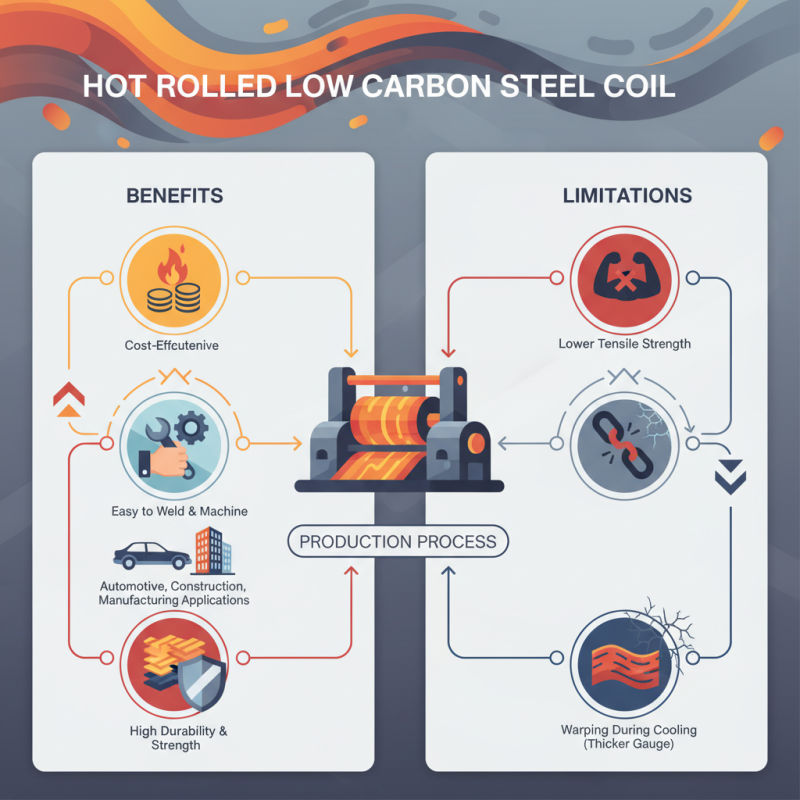
Hot Rolled Low Carbon Steel Coil is a versatile material widely used in various industries. Its production involves heating steel above its recrystallization temperature, allowing for easy shaping and forming. This process enhances the mechanical properties of the steel, resulting in high durability and strength.
One significant benefit of Hot Rolled Low Carbon Steel Coil is its cost-effectiveness. The manufacturing process requires less energy compared to cold-rolled alternatives. Additionally, it offers a smooth surface finish and is easier to weld and machine. These characteristics make it a preferred choice in automotive, construction, and manufacturing sectors.
However, it's essential to consider the limitations of Hot Rolled Low Carbon Steel Coil. Its lower tensile strength compared to high-carbon steels may not be suitable for highly demanding applications. Also, the thicker gauge may lead to warping during cooling. Understanding these nuances is crucial for making informed decisions when selecting materials.
Benefits of Hot Rolled Low Carbon Steel Coil for Construction Applications
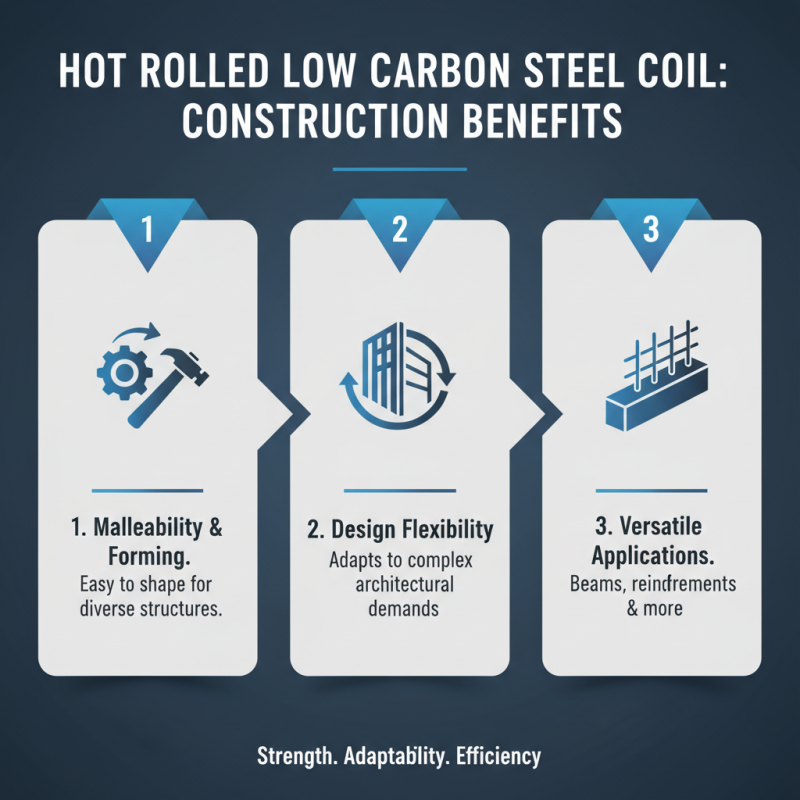
Hot rolled low carbon steel coil offers numerous advantages for construction applications. Its malleability makes it easy to form and shape. Builders can use it for various structures, from beams to reinforcements. This flexibility is crucial in modern construction, where design demands are high.
One significant benefit is its strength-to-weight ratio. Low carbon steel provides durability without being overly heavy. It allows for lighter structures, reducing the load on foundations. This feature can lead to cost savings in material and labor. Builders often choose it for frame construction and cladding.
Tips: Always consider the environment. Hot rolled steel can be recycled, which minimizes waste. Another point to remember is to evaluate your specific project needs. Different thicknesses and grades are available, each suited for different applications. The right choice can enhance longevity and performance.
A challenge with hot rolled low carbon steel is its susceptibility to corrosion. Proper protection measures are essential. Surfaces may require treatment or coatings to extend their lifespan. Regular inspections can help identify potential issues early. This proactive approach can minimize repair costs later.
Enhanced Formability of Hot Rolled Low Carbon Steel Coil in Manufacturing
Hot rolled low carbon steel coils are widely used in manufacturing due to their enhanced formability. The process of hot rolling involves heating steel above its recrystallization temperature. This allows the metal to be easily shaped and stretched. Manufacturers appreciate this as it reduces the need for extensive machining. The result is a quicker turnaround time for production.
Formability is crucial in various applications. Hot rolled steel coils can be easily molded into complex shapes. This enables manufacturers to create diverse products, from automotive parts to structural components. However, the formability can vary based on the composition of the steel. It's essential for manufacturers to understand their specific material's properties.
Despite the benefits, challenges exist. Constant monitoring of temperatures during the hot rolling process is necessary. Uneven heating can lead to defects in the final product. Additionally, the thickness of the coil can impact its ability to be formed properly. Manufacturers must navigate these variables to achieve optimal results. Understanding these details promotes reliability in the production process.
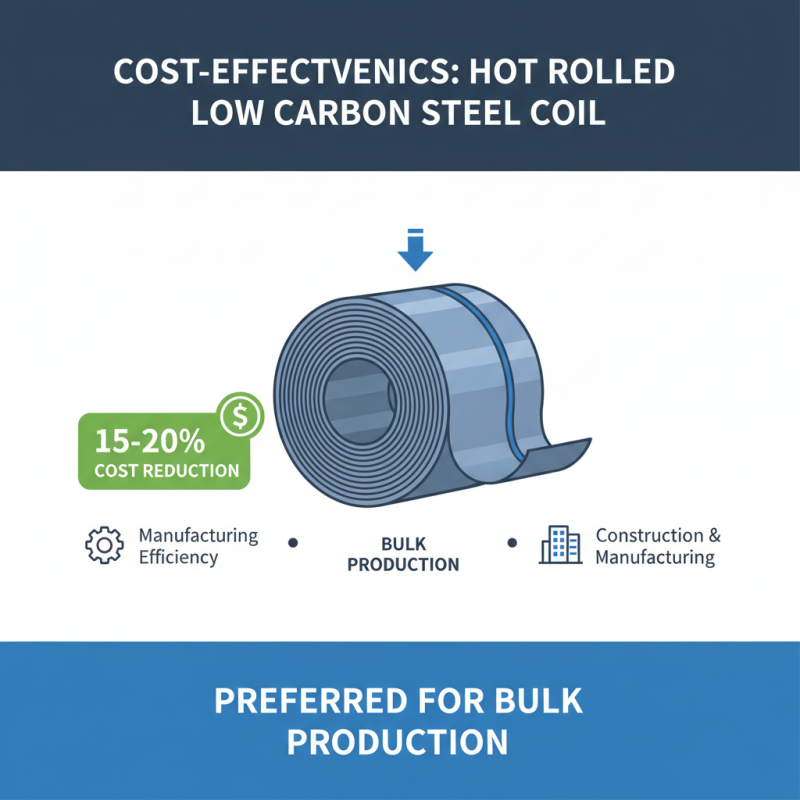
Cost-Effectiveness of Hot Rolled Low Carbon Steel Coil for Bulk Production
Hot rolled low carbon steel coils are a popular choice in bulk production due to their cost-effectiveness. This type of steel is widely used in construction and manufacturing. According to industry reports, hot rolled low carbon steel coils can reduce production costs by approximately 15-20% compared to other steel types. This significant savings makes it a preferred option for manufacturers looking to maximize efficiency.
The production process of hot rolled low carbon steel coils allows for high output rates. The average yield strength is around 370 MPa, making it strong yet malleable. Additionally, the ability to produce large rolls minimizes waste. However, it’s essential to consider that these coils may not offer the same surface finish as cold-rolled alternatives. Industries must weigh these trade-offs and consider the specific needs of their applications.
Despite its advantages, not all projects benefit equally from this material. Some applications might require higher precision and less surface imperfection. Understanding the material's limitations is crucial for achieving optimal results. While hot rolled low carbon steel coils provide compelling economic benefits, careful consideration is necessary to ensure they align with project requirements.
Durability and Strength Characteristics of Hot Rolled Low Carbon Steel Coil
Hot rolled low carbon steel coils are celebrated for their exceptional durability and strength characteristics. The production process involves heating the steel above its recrystallization temperature. This technique enhances the steel's malleability while keeping it structurally sound. Industry reports indicate that these coils demonstrate a yield strength ranging between 170 to 300 MPa, making them robust for various applications.
Another aspect to consider is their impact resistance. Hot rolled low carbon steel coils can withstand significant mechanical stress. According to the Steel Construction Institute, these coils can sustain loads without considerable deformation. However, this does not imply they are infallible. Over time, exposure to harsh environments can accelerate wear and tear. Regular inspections are essential to detect potential weaknesses early on.
While the strength of hot rolled low carbon steel coils is well documented, there are limits to their load-bearing capabilities. As with all materials, improper use or excessive force can lead to failure. Consequently, stakeholders must evaluate their specific requirements. Research highlights that understanding load specifications is critical in preventing structural failures. In conclusion, this material's strength and durability are impressive. Yet, vigilance and proper management are vital for long-term performance.
Sustainability Aspects of Hot Rolled Low Carbon Steel Coil in Industry
The sustainability aspects of hot rolled low carbon steel coil are increasingly relevant in today's industry. This material features lower carbon content, which contributes to its reduced environmental impact during production. By using less carbon, manufacturers can decrease emissions and energy consumption. This aligns with global efforts to promote greener practices.
Moreover, hot rolled low carbon steel is often recyclable. It can be repurposed at the end of its life cycle, significantly reducing waste. However, recycling processes must be efficient. Not all facilities excel in recycling methods, leading to inconsistent results. This is an area that needs improvement within the industry.
Using this steel also supports durability in structures and products. Its robust nature means fewer materials are needed over time. This can lessen the frequency of repairs and replacements. However, reliance on any material poses risks. Regular evaluations of manufacturing practices are essential to ensure true sustainability. There is always room for betterment in environmental initiatives.
Benefits of Hot Rolled Low Carbon Steel Coil