2026 Top Carbon Steel Mild Steel Coil Buying Guide?
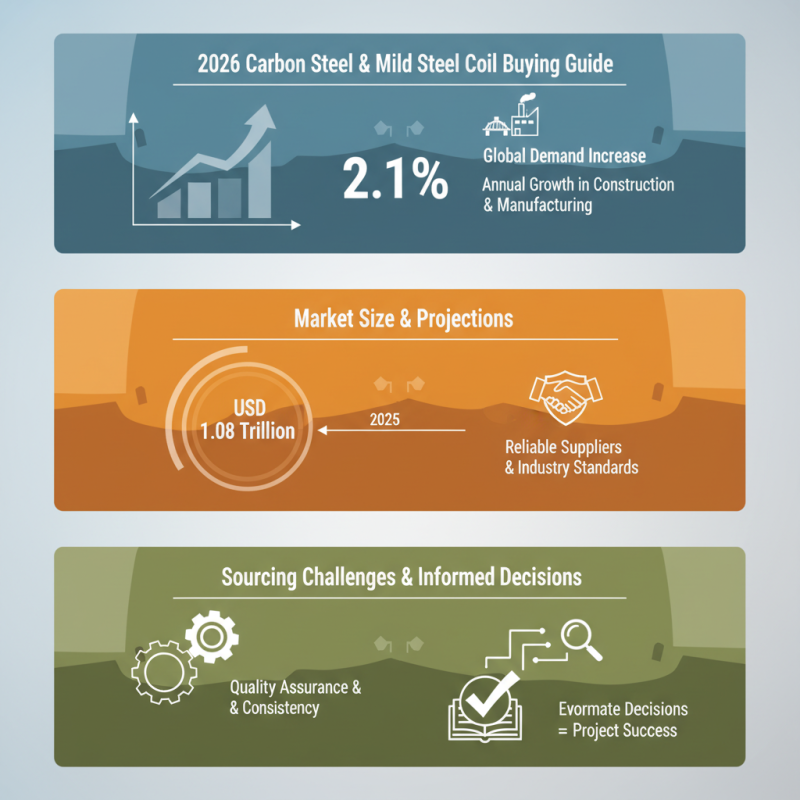
Carbon Steel Mild Steel Coil is a vital component in various industries, ranging from construction to manufacturing. This material is renowned for its versatility and strength. According to a recent report by the World Steel Association, global demand for carbon steel is expected to increase by 2.1% annually. This projection highlights its importance in modern applications. Understanding its properties can help you make informed purchasing decisions.
When considering a carbon steel mild steel coil, it's crucial to know specifications, grades, and sourcing options. A report from MarketsandMarkets states that the carbon steel market size is projected to reach USD 1.08 trillion by 2025. This emphasizes the need for consumers to choose reliable suppliers who adhere to industry standards. The right choices ensure you receive quality material for your projects.
However, challenges exist in sourcing carbon steel mild steel coils. Quality assurance and consistency can vary significantly among suppliers. Focusing on these aspects is vital. It guides customers towards suitable products for their specific needs. Taking the time to evaluate suppliers and materials can lead to better outcomes in your projects. Remember, informed decisions pave the way for success in your endeavors.
Understanding Carbon Steel and Mild Steel Coils
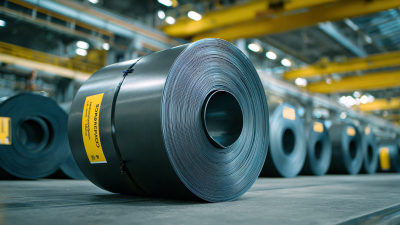
When considering carbon steel and mild steel coils, it’s crucial to understand their differences. Carbon steel contains varying amounts of carbon, which influences its strength and ductility. Mild steel, a type of carbon steel with low carbon content, is known for its malleability. This makes it ideal for construction and manufacturing applications.
Mild steel coils are often easier to work with compared to other types. They can be welded, cut, and shaped without significant difficulty. However, the low carbon content can result in a lack of hardness. This means it may not withstand heavy loads as well as higher carbon steels. Buyers must weigh these factors when selecting the right material.
Factors like corrosion resistance and surface finish also play a role in the purchasing decision. While mild steel is less expensive, it may require additional protective coatings to enhance durability. Understanding these nuances is essential for making an informed choice. It involves considering both short-term benefits and long-term performance.
Key Specifications to Consider When Buying Steel Coils
When choosing carbon steel mild steel coils, various specifications play a crucial role. Pay attention to the thickness of the coil. Typically, mild steel coils range from 0.5 mm to 20 mm. A precise thickness ensures the strength required for your application. Make sure to verify the tolerance for thickness variation; a smaller tolerance ensures better quality.
Next, consider the mechanical properties of the steel. Tensile strength and yield strength are vital for load-bearing applications. Most mild steel coils will have a tensile strength of around 370 to 550 MPa. This measure indicates how much force the steel can withstand before failing. Furthermore, check the ductility level. Ductile steel allows for easier forming without cracking.
Lastly, the surface finish must not be overlooked. A smooth surface can reduce friction during processing. Rust prevention treatments can also enhance the coil's longevity. Remember, a good surface finish reflects the care taken in manufacturing. Buying steel coils isn't just about specs; it's about ensuring they meet your specific needs for quality and functionality. Lack of attention to these details might lead to costly mistakes.
2026 Top Carbon Steel Mild Steel Coil Buying Guide - Key Specifications to Consider When Buying Steel Coils
| Specification |
Details |
| Material Type |
Carbon Steel (Mild Steel) |
| Thickness Range |
0.3 mm to 16 mm |
| Width Range |
600 mm to 2000 mm |
| Length Options |
Cut to Length or Coil |
| Surface Treatment |
Galvanized, Oiled, or Black |
| Weight per Unit Area |
Up to 5000 kg per coil |
| Yield Strength |
Approx. 250 MPa |
| Tensile Strength |
Approx. 400 - 500 MPa |
| Certificate Standards |
ISO 9001, ASTM A36 |
| Common Applications |
Construction, Automotive, Manufacturing |
Different Applications of Carbon Steel Mild Steel Coils
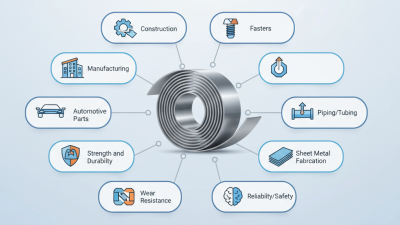
Carbon steel mild steel coils are widely utilized across various industries. Their versatility makes them suitable for numerous applications. For instance, construction relies heavily on these coils for structural components. The American Iron and Steel Institute (AISI) reports that carbon steel comprises about 90% of the steel production in the United States, indicating its fundamental role in the economy.
In manufacturing, carbon steel coils are often used for automotive applications. They provide strength and durability, which are crucial for vehicle safety. A study by the International Journal of Engineering Research and Applications highlights that 60% of automotive components utilize carbon steel. This highlights its importance in the production of reliable vehicles. Furthermore, these coils are essential for the manufacturing of kitchen appliances, as they are both cost-effective and corrosion-resistant.
However, not all applications benefit equally from carbon steel. In some cases, the balance between cost and performance must be considered. While carbon steel coils are generally more affordable than other metals, they may not perform as well in highly corrosive environments. This necessitates careful evaluation of the specific needs of each application. Users must critically assess their requirements to ensure they choose the most suitable material for their projects.
Tips for Evaluating Steel Coil Suppliers and Manufacturers
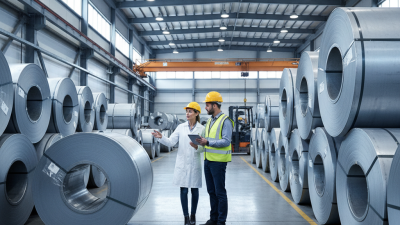
When evaluating steel coil suppliers and manufacturers, start with their experience. A company with years in the industry often has refined processes. Ask about their production standards. Reliable suppliers adhere to quality certifications. This ensures their products meet necessary specifications. Look for feedback from past clients. Testimonials can reveal a lot about product reliability.
Next, assess their customer service. Good communication is vital during procurement. Suppliers should be responsive and willing to address concerns. Availability of technical support is equally important. If issues arise, prompt assistance can save time and costs. Visit their manufacturing site if possible. Observing operations can give you insights into their practices.
Lastly, consider geographic location. Local suppliers may reduce shipping costs and lead times. However, don't overlook international options. A balance between cost and quality is crucial. Always seek clarity in pricing, including hidden fees. Reflect on these factors to ensure your choice meets your project's needs.
2026 Top Carbon Steel Mild Steel Coil Price Comparison
Common Mistakes to Avoid When Purchasing Steel Coils
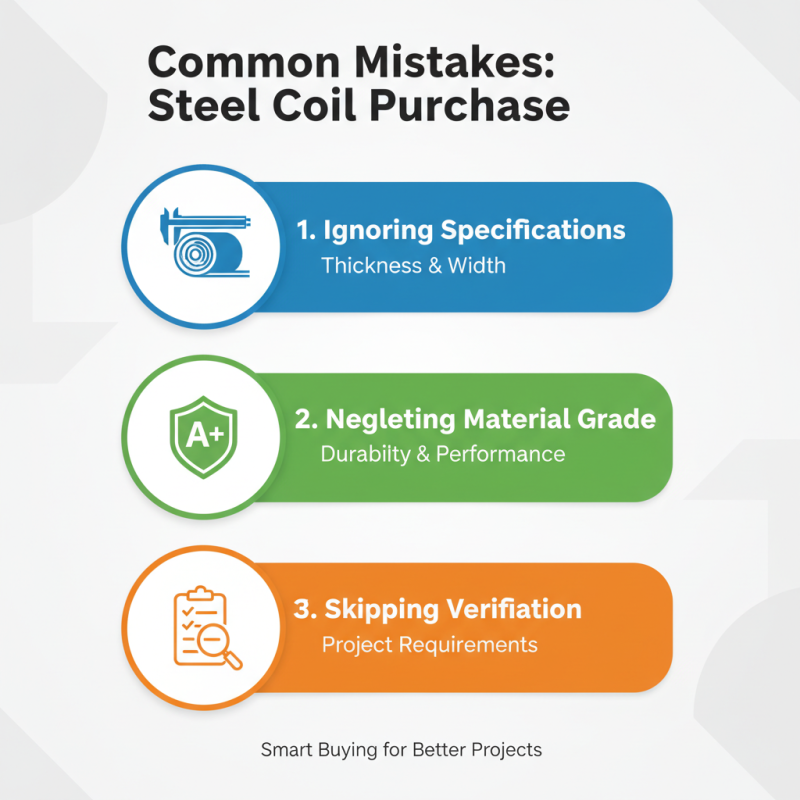
When purchasing carbon steel mild steel coils, many buyers overlook key factors. A common mistake is not considering the steel's specifications, such as thickness and width. Understanding these dimensions is crucial for ensuring that the coils will meet project requirements. Additionally, buyers often neglect to verify the material's grade. Different applications require different grades to ensure durability and performance.
Another frequent error is failing to check supplier credentials. Not all suppliers provide high-quality materials. Researching their reputation, experience, and certifications can save you from future headaches. Furthermore, be wary of competing solely on price. Opting for the cheapest option may lead to purchasing inferior steel, which could compromise the integrity of your project.
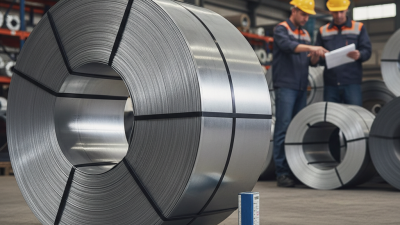
It's also important to assess the packaging and delivery process. Many buyers disregard how the coils are packaged. Poor packaging can lead to damage during transportation. Evaluate how well the coils are protected. This small detail can make a significant impact on your overall investment. Reflecting on these common pitfalls can lead to better purchasing decisions in the future.